Aircraft Design MCQ
Aircraft Design MCQ – Test Your Knowledge and Improve Your Understanding
Aircraft Design is one of the most important subjects in Aerospace and Aeronautical Engineering. It involves the study of aircraft configuration, aerodynamic performance, structural design, propulsion systems, stability, control, and overall aircraft optimization. Understanding aircraft design principles is essential for students, engineers, and aviation enthusiasts who want to build a strong foundation in the aerospace industry.
This Aircraft Design MCQ quiz is designed to help you evaluate your knowledge and strengthen your understanding of key concepts related to aircraft design. The questions cover a wide range of topics, including aircraft components, wing design, lift and drag characteristics, weight estimation, performance analysis, flight stability, control surfaces, propulsion systems, and design methodologies.
Whether you are preparing for university examinations, competitive engineering exams, aerospace interviews, or professional certification tests, these multiple-choice questions provide an effective way to practice and assess your skills. Each question is carefully selected to improve conceptual clarity and help you identify areas that require further study.
Regular practice with Aircraft Design MCQs can enhance problem-solving abilities, improve technical knowledge, and boost confidence in handling aerospace engineering concepts. These questions are suitable for undergraduate and postgraduate students, aerospace professionals, and anyone interested in aircraft engineering.
Challenge yourself with our Aircraft Design MCQ quiz and discover how well you understand the principles behind modern aircraft development. Test your knowledge, track your progress, and prepare effectively for exams and interviews. Start practicing today and take a step closer to mastering the fascinating field of Aircraft Design.
Q1. Which of the following is the primary objective in aircraft design?
📘 View ExplanationQ2. The ratio of wingspan squared to wing area is called:
📘 View ExplanationQ3. Which parameter determines how much load an aircraft wing can carry per unit area?
📘 View ExplanationQ4. The CG (center of gravity) of an aircraft should be located:
📘 View ExplanationQ5. Which of the following reduces induced drag in aircraft design?
📘 View ExplanationQ6. The taper ratio of a wing is defined as:
📘 View ExplanationQ7. In aircraft design, the term "fineness ratio" refers to:
📘 View ExplanationQ8. Which factor primarily affects takeoff distance?
📘 View ExplanationQ9. The tailplane in an aircraft is mainly provided for:
📘 View ExplanationQ10. Which material property is most important when selecting fuselage materials?
📘 View ExplanationQ11. The climb performance of an aircraft depends mainly on:
📘 View ExplanationQ12. The stall speed of an aircraft increases with:
📘 View ExplanationQ13. Which design feature helps delay boundary layer separation on wings?
📘 View ExplanationQ14. What is the primary function of wing sweep in high-speed aircraft?
📘 View ExplanationQ15. The ratio of thrust available to thrust required is called:
📘 View ExplanationQ16. The primary advantage of canard configuration in aircraft design is:
📘 View ExplanationQ17. The drag polar of an aircraft is the relation between:
📘 View ExplanationQ18. The dihedral angle of wings provides:
📘 View ExplanationQ19. In preliminary aircraft design, the "payload-range diagram" is used to:
📘 View ExplanationQ20. Which type of drag dominates at low speeds?
📘 View ExplanationLatest Blogs
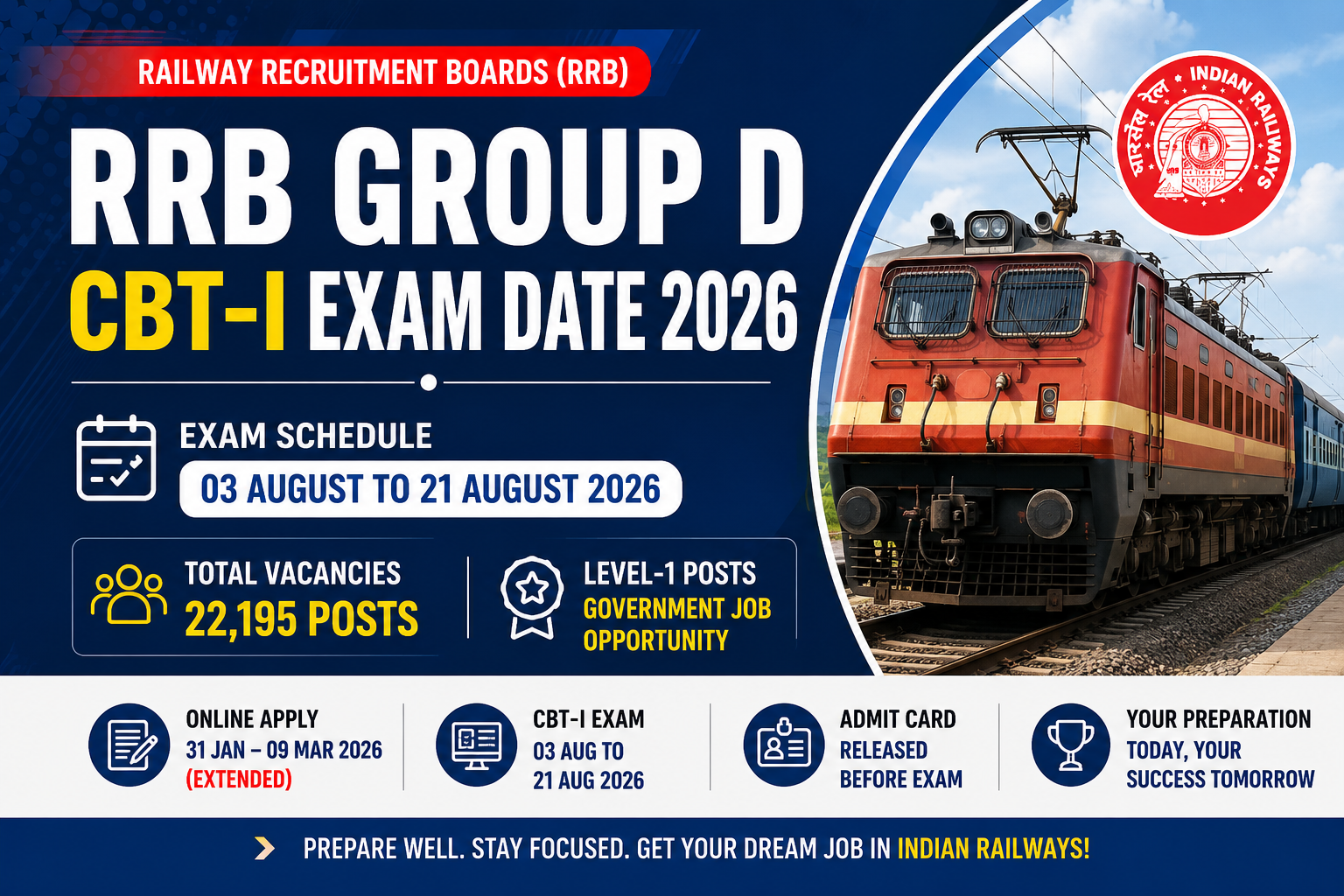
RRB Group D CBT-1 Exam Date 2026 Out: Check Exam Schedule, Vacancy, Eligibility & Latest Updates
NEW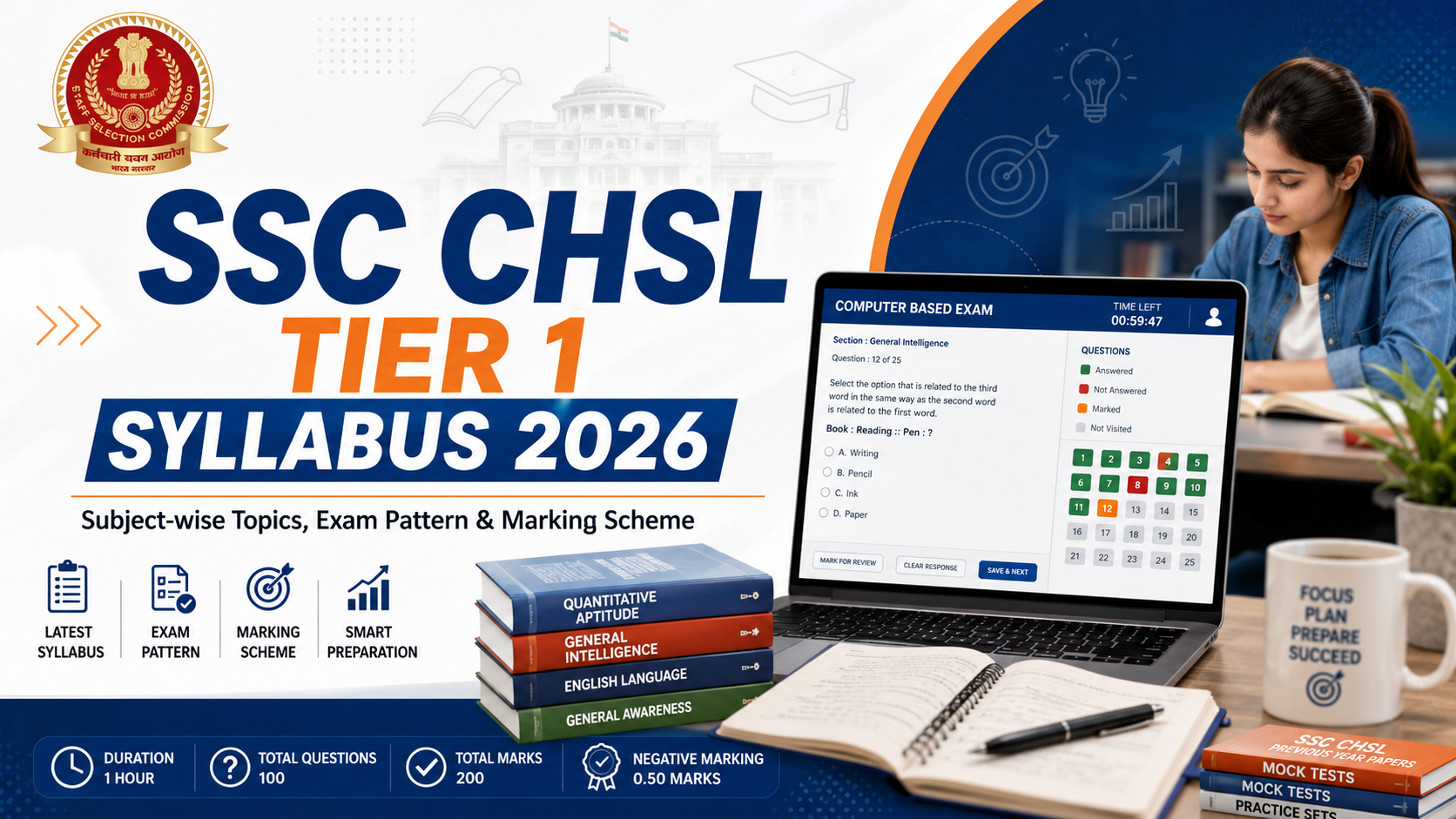
SSC CHSL Tier 1 Syllabus 2026
NEW
AngularJS Interview Questions and Answers
NEW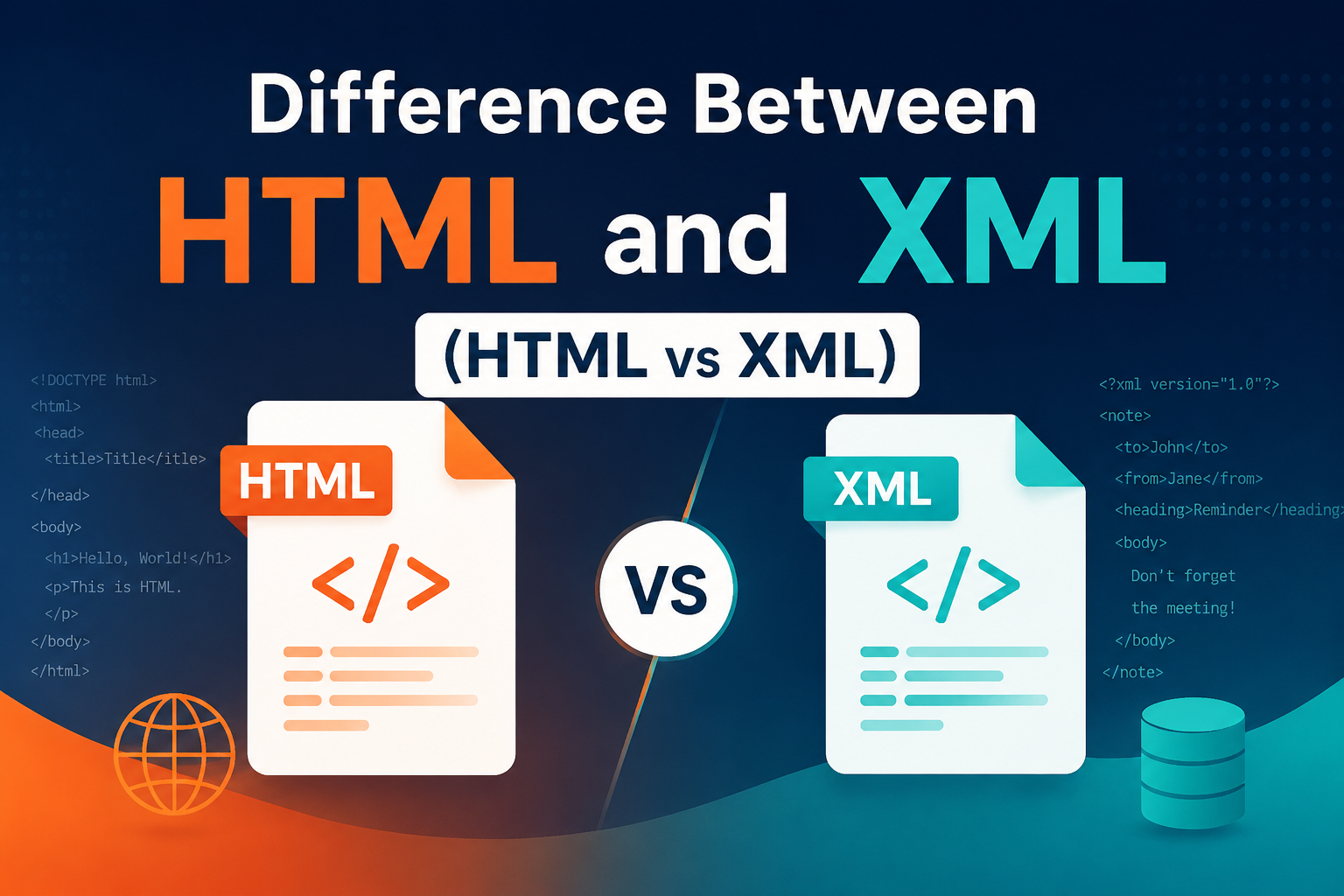
Difference Between HTML and XML (HTML vs XML)
NEW
CBSE 12th Result 2026 Re-Evaluation: Apply Online, Fees, Last Date & Step-by-Step Process Explained
NEW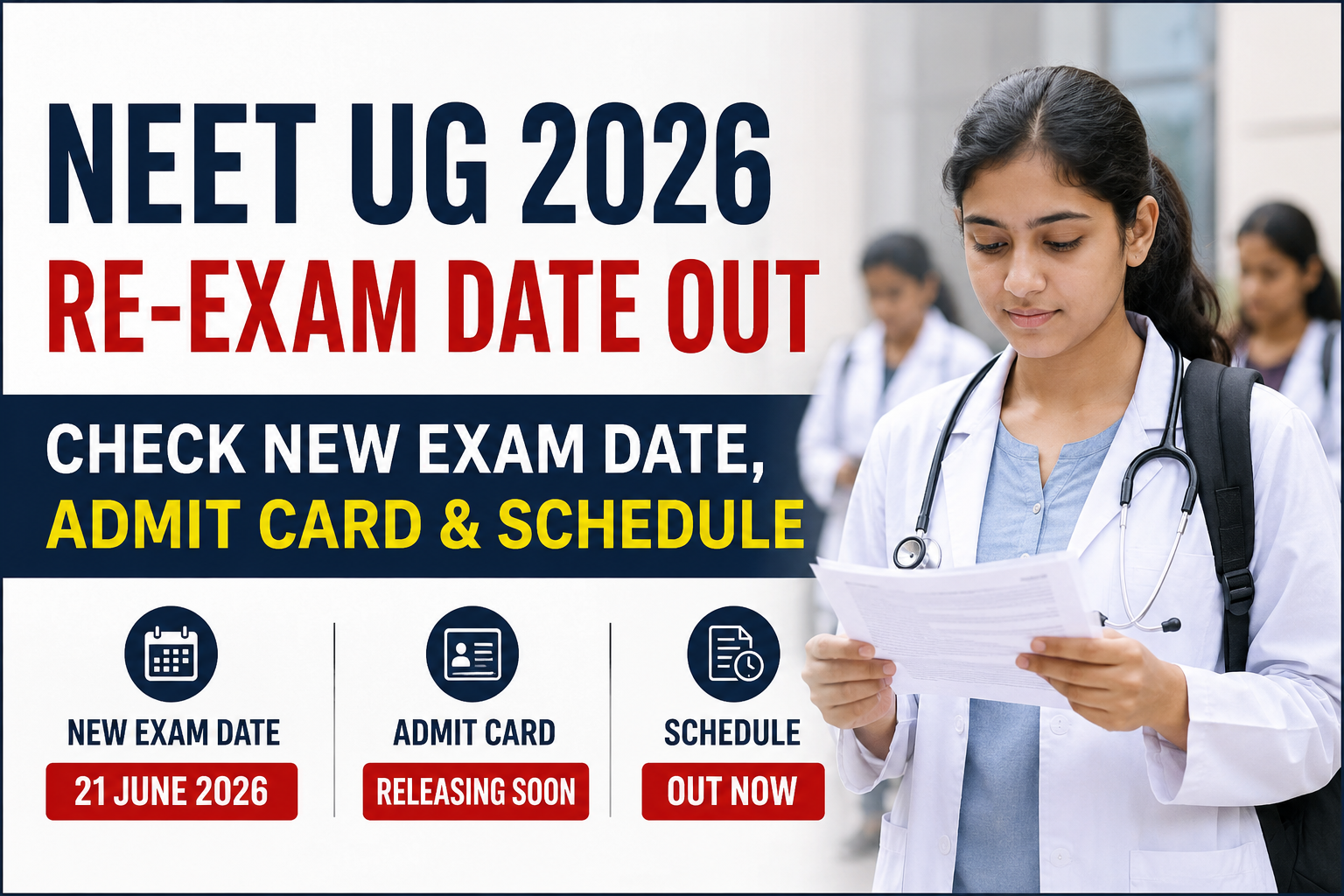
NEET UG 2026 Re-Exam Date Announced: Check New Exam Date, Schedule & Latest Updates
NEW
Understanding the SSC Phase 14 Exam: A Comprehensive Overview
NEW
Top Study Tips for Cracking Your Exams with Confidence
NEW
Aerospace Engineering: Scope, Courses & Career Opportunities
NEW
SSC CHSL Syllabus
NEW
EPFO 3.0 is Here: 7 Major Changes Every Employee Must Know
NEW