Mechanical Engineering
MCQs on Mechanical Engineering
Practice Mechanical Engineering MCQs with detailed answers and explanations. This helps in exams like SSC, GATE, UPSC, and other competitive exams.
The Mechanical Engineering category on ExamVibe provides comprehensive resources for both exam preparation and interview readiness.
Aspirants can explore topic-wise MCQs, previous year papers, quizzes, study notes, technical interview questions, and practice tests covering all core mechanical engineering subjects.
This section includes major topics such as thermodynamics, fluid mechanics, strength of materials, theory of machines, heat transfer, manufacturing engineering, machine design, industrial engineering, robotics, refrigeration & air-conditioning, and engineering materials.
Whether preparing for university exams, GATE, SSC JE, RRB JE, PSU recruitment, or technical job interviews, ExamVibe offers accurate, updated, and concept-focused content to strengthen fundamentals and enhance problem-solving skills.
Additive Manufacturing MCQ
Automation MCQ
Automobile Engineering MCQs
CAD CAM MCQ
Energy Engineering MCQ
Engineering Materials MCQ
Finite Element Analysis MCQ
Fluid Mechanics MCQ
Heat Transfer MCQ
Hydraulics and Pneumatics MCQ
IC Engines MCQ
Industrial Engineering MCQ
Machine Design MCQ
Manufacturing Engineering MCQ
Mechanical Engineering MCQs
Mechatronics MCQ
Metrology MCQ
Production Planning and Control MCQ
Refrigeration and Air Conditioning MCQ
Renewable Energy MCQ
Robotics MCQ
Strength of Materials MCQ
Theory of Machines MCQ
Thermodynamics MCQ
Vibrations MCQ
Frequently Asked Questions
Mechanical Engineering is a branch of engineering that deals with the design, development, manufacturing, and maintenance of machines and mechanical systems.
It includes subjects like Thermodynamics, Fluid Mechanics, Strength of Materials, Machine Design, Manufacturing Processes, and Heat Transfer.
Career options include Mechanical Engineer, Design Engineer, Production Engineer, Automobile Engineer, and Maintenance Engineer.
Yes, it is a versatile field with opportunities in industries like automotive, aerospace, manufacturing, and energy sectors.
Important skills include problem-solving, analytical thinking, CAD design, technical knowledge, and understanding of machines.
The average salary varies, but freshers can earn around ₹3–6 LPA, while experienced engineers can earn much higher.
Common software includes AutoCAD, SolidWorks, CATIA, ANSYS, and MATLAB.
Yes, Mechanical Engineers can work in IT companies in roles like data analysis, software testing, and technical support with additional skills.
The future scope is strong in robotics, automation, electric vehicles, renewable energy, and advanced manufacturing.
Mechanical Engineering focuses on machines and mechanical systems, while Civil Engineering focuses on infrastructure like buildings, roads, and bridges.
NEW
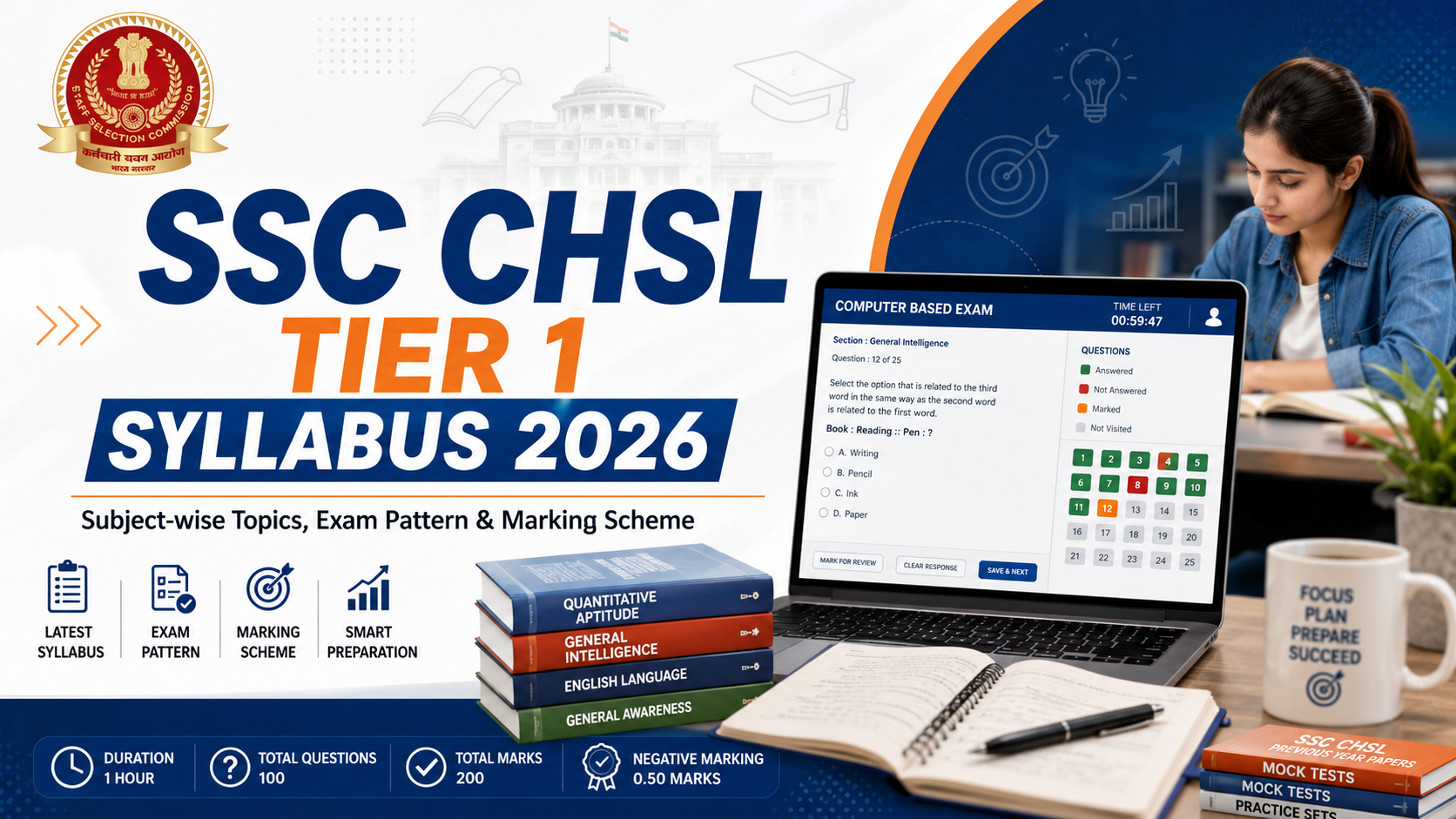




SSC CHSL Tier 1 Syllabus 2026
NEW
AngularJS Interview Questions and Answers
NEW
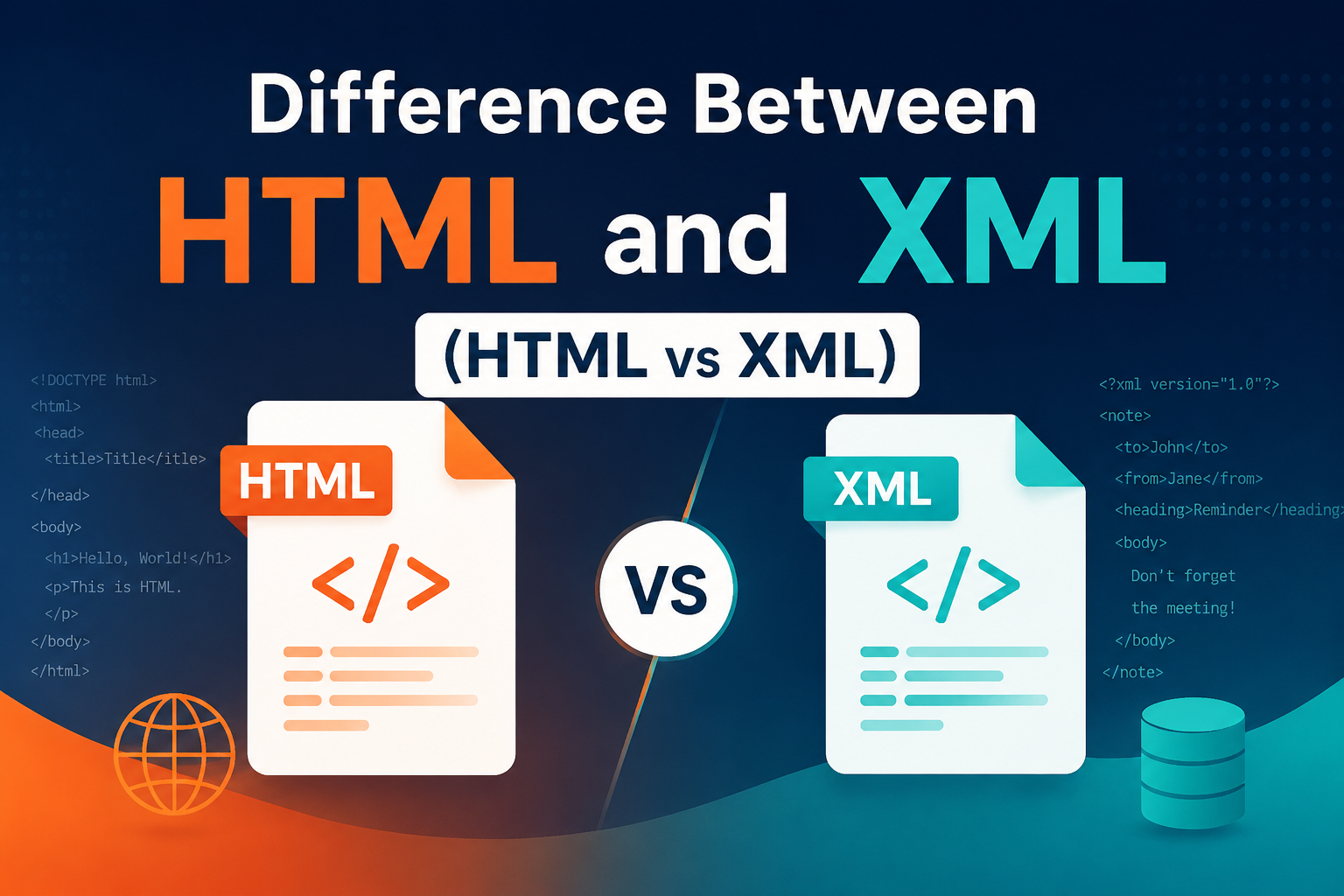
Difference Between HTML and XML (HTML vs XML)
NEW
CBSE 12th Result 2026 Re-Evaluation: Apply Online, Fees, Last Date & Step-by-Step Process Explained
NEW
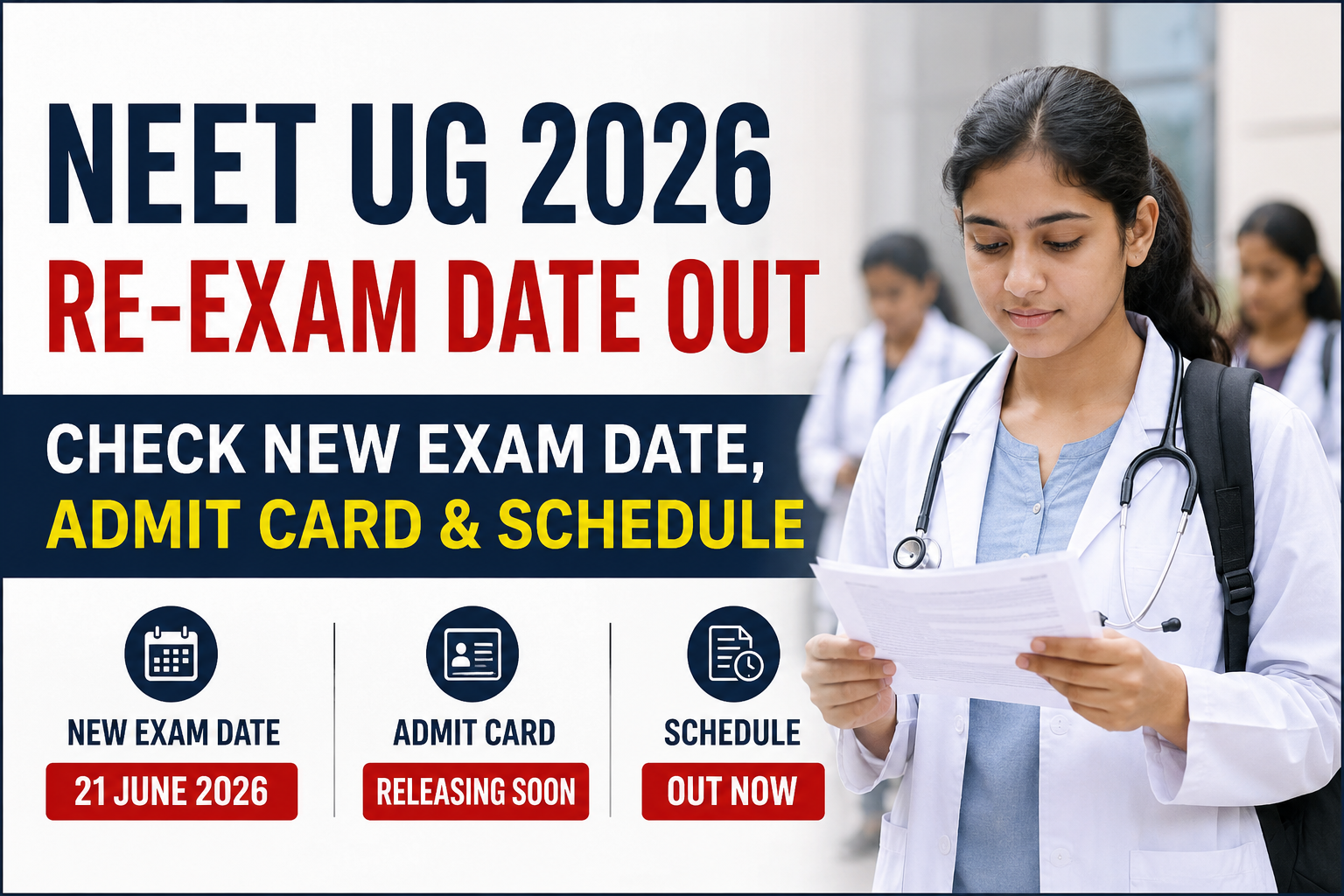
NEET UG 2026 Re-Exam Date Announced: Check New Exam Date, Schedule & Latest Updates
NEW
Understanding the SSC Phase 14 Exam: A Comprehensive Overview
NEW
Top Study Tips for Cracking Your Exams with Confidence
NEW
Aerospace Engineering: Scope, Courses & Career Opportunities
NEW
SSC CHSL Syllabus
NEW
EPFO 3.0 is Here: 7 Major Changes Every Employee Must Know
NEW
Indian Army Salary Structure
NEW