Hydraulics and Pneumatics MCQ
Q1. Which law states that pressure exerted on a liquid is transmitted equally in all directions?
📘 View ExplanationQ2. What is the working medium in pneumatic systems?
📘 View ExplanationQ3. Which component stores hydraulic energy and smoothens pulsations?
📘 View ExplanationQ4. Which hydraulic pump is commonly used for high pressure applications?
📘 View ExplanationQ5. A pressure relief valve is used for:
📘 View ExplanationQ6. What does the notation 4/2 valve mean?
📘 View ExplanationQ7. Which of the following is a directional control valve?
📘 View ExplanationQ8. In single-acting hydraulic cylinders, the piston returns by:
📘 View ExplanationQ9. Which valve allows fluid flow in one direction only?
📘 View ExplanationQ10. Pressure switches are used to:
📘 View ExplanationQ11. What is the main advantage of hydraulic systems over pneumatic?
📘 View ExplanationQ12. Typical working pressure of pneumatic systems is around:
📘 View ExplanationQ13. In hydraulics, the fluid is:
📘 View ExplanationQ14. Which actuator converts hydraulic energy to mechanical motion?
📘 View ExplanationQ15. Which actuator produces rotary motion from hydraulic energy?
📘 View ExplanationQ16. What is the function of a flow control valve in a hydraulic system?
📘 View ExplanationQ17. Which fluid property affects compressibility important in pneumatics?
📘 View ExplanationQ18. Hydraulic power is transmitted through:
📘 View ExplanationQ19. What devices are used to convert electrical signals to pneumatic?
📘 View ExplanationQ20. In a hydraulic system, what is the role of the reservoir?
📘 View ExplanationQ21. Pneumatic systems are preferred in:
📘 View ExplanationQ22. A tandem cylinder is used to:
📘 View ExplanationQ23. In pneumatics, the main supply is:
📘 View ExplanationQ24. Which valve adjusts speed of cylinder in hydraulic circuits?
📘 View ExplanationQ25. What is the function of a pressure gauge?
📘 View ExplanationQ26. Which type of pump is positive displacement?
📘 View ExplanationQ27. Advantages of pneumatic system include:
📘 View ExplanationQ28. What is the purpose of a shuttle valve?
📘 View ExplanationQ29. What is cavitation in hydraulics?
📘 View ExplanationQ30. What is the function of a relief valve?
📘 View ExplanationQ31. Which of the following is NOT used in hydraulics?
📘 View ExplanationQ32. Hydraulic fluid should have:
📘 View ExplanationQ33. What is the typical working pressure for hydraulic systems?
📘 View ExplanationQ34. In pneumatic circuits, flow control is done by:
📘 View ExplanationQ35. Hydraulic systems use:
📘 View ExplanationQ36. Which component is used to convert fluid power into mechanical power?
📘 View ExplanationQ37. What is the principal disadvantage of pneumatics?
📘 View ExplanationQ38. In which system is fluid compressibility negligible?
📘 View ExplanationQ39. A hydraulic motor converts:
📘 View ExplanationQ40. What is a typical application of pneumatics?
📘 View Explanation
NEW







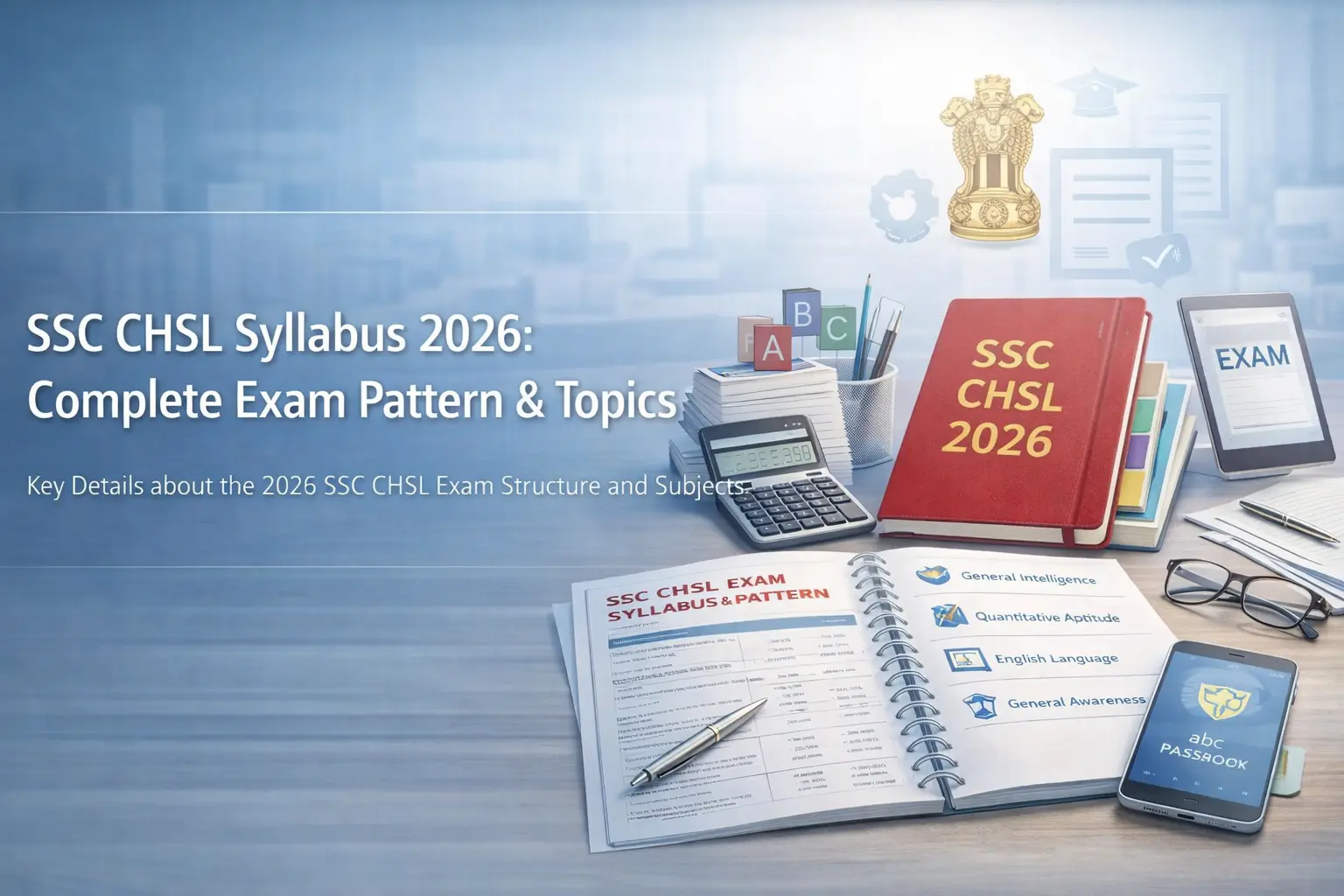



SSC CHSL Tier 1 Syllabus 2026
NEW
AngularJS Interview Questions and Answers
NEW
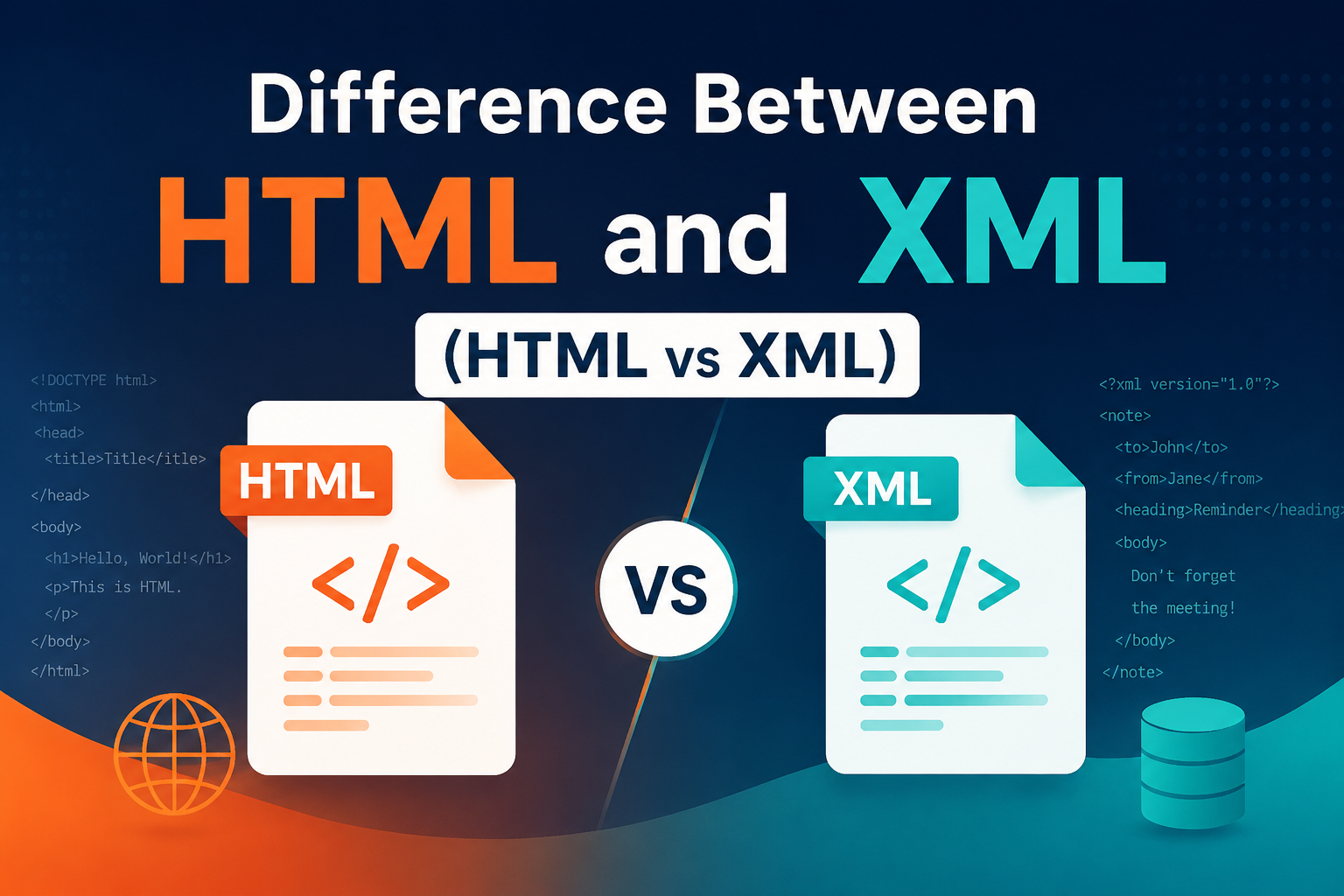
Difference Between HTML and XML (HTML vs XML)
NEW
CBSE 12th Result 2026 Re-Evaluation: Apply Online, Fees, Last Date & Step-by-Step Process Explained
NEW
NEET UG 2026 Re-Exam Date Announced: Check New Exam Date, Schedule & Latest Updates
NEW
Understanding the SSC Phase 14 Exam: A Comprehensive Overview
NEW
Top Study Tips for Cracking Your Exams with Confidence
NEW
Aerospace Engineering: Scope, Courses & Career Opportunities
NEW
SSC CHSL Syllabus
NEW
EPFO 3.0 is Here: 7 Major Changes Every Employee Must Know
NEW
Indian Army Salary Structure
NEW