Computer Architecture MCQs
The Computer Architecture MCQ section on ExamVibe is designed for students, competitive exam aspirants, and computer science learners who want to strengthen their understanding of computer organization and hardware fundamentals. This category includes a wide collection of multiple-choice questions covering important topics such as CPU architecture, memory hierarchy, instruction sets, pipelining, input-output organization, cache memory, addressing modes, registers, and processor design.
Our expertly curated MCQs help learners prepare effectively for competitive exams like GATE, UGC NET, SSC, Banking, Railway, university examinations, and technical interviews. Each question is created to improve conceptual clarity, logical thinking, and problem-solving skills while matching current exam patterns and syllabus requirements.
With regularly updated content, detailed practice sets, and exam-oriented questions, the Computer Architecture MCQ category provides a reliable platform for mastering core computer science concepts and improving technical knowledge through smart learning.
Q1. What is computer architecture?
📘 View ExplanationQ2. Which unit performs arithmetic and logical operations?
📘 View ExplanationQ3. Which memory is the fastest?
📘 View ExplanationQ4. The brain of the computer is:
📘 View ExplanationQ5. Which bus carries memory addresses?
📘 View ExplanationQ6. DMA stands for:
📘 View ExplanationQ7. In pipelining, multiple instructions are:
📘 View ExplanationQ8. Which is NOT a pipeline hazard?
📘 View ExplanationQ9. Virtual memory is mainly used to:
📘 View ExplanationQ10. Which register stores the address of the next instruction?
📘 View ExplanationQ11. Cache memory is placed between:
📘 View ExplanationQ12. Which addressing mode contains operand value directly?
📘 View ExplanationQ13. The instruction cycle consists of:
📘 View ExplanationQ14. Which memory is non-volatile?
📘 View ExplanationQ15. A data bus is:
📘 View ExplanationQ16. Which component controls all operations of the CPU?
📘 View ExplanationQ17. Which memory hierarchy level has the largest capacity?
📘 View ExplanationQ18. Which of the following is an example of secondary memory?
📘 View ExplanationQ19. What is the main purpose of pipelining?
📘 View ExplanationQ20. Which addressing mode uses a register to hold operand address?
📘 View ExplanationQ21. Interrupts are used to:
📘 View ExplanationQ22. Which register stores the current instruction?
📘 View ExplanationQ23. Stack organization works on:
📘 View ExplanationQ24. Which processor is designed for parallel data operations?
📘 View ExplanationQ25. Parallel processing improves:
📘 View ExplanationQ26. Associative memory is also known as:
📘 View ExplanationQ27. Which instruction transfers control to another location?
📘 View ExplanationQ28. Which bus carries control signals?
📘 View ExplanationQ29. The process of transferring data directly between I/O and memory is:
📘 View ExplanationQ30. Which memory is closest to CPU?
📘 View ExplanationQ31. Which type of hazard occurs due to branch instructions?
📘 View ExplanationQ32. The number of bits processed by CPU at once is called:
📘 View ExplanationQ33. Which addressing mode is commonly used in loops?
📘 View ExplanationQ34. The MAR register stores:
📘 View ExplanationQ35. Which device manages communication between CPU and peripherals?
📘 View ExplanationQ36. Pipeline stalls reduce:
📘 View ExplanationQ37. Which memory loses data when power is off?
📘 View ExplanationQ38. In instruction format, opcode specifies:
📘 View ExplanationQ39. SIMD stands for:
📘 View ExplanationQ40. Which register temporarily stores arithmetic results?
📘 View ExplanationLatest Blogs
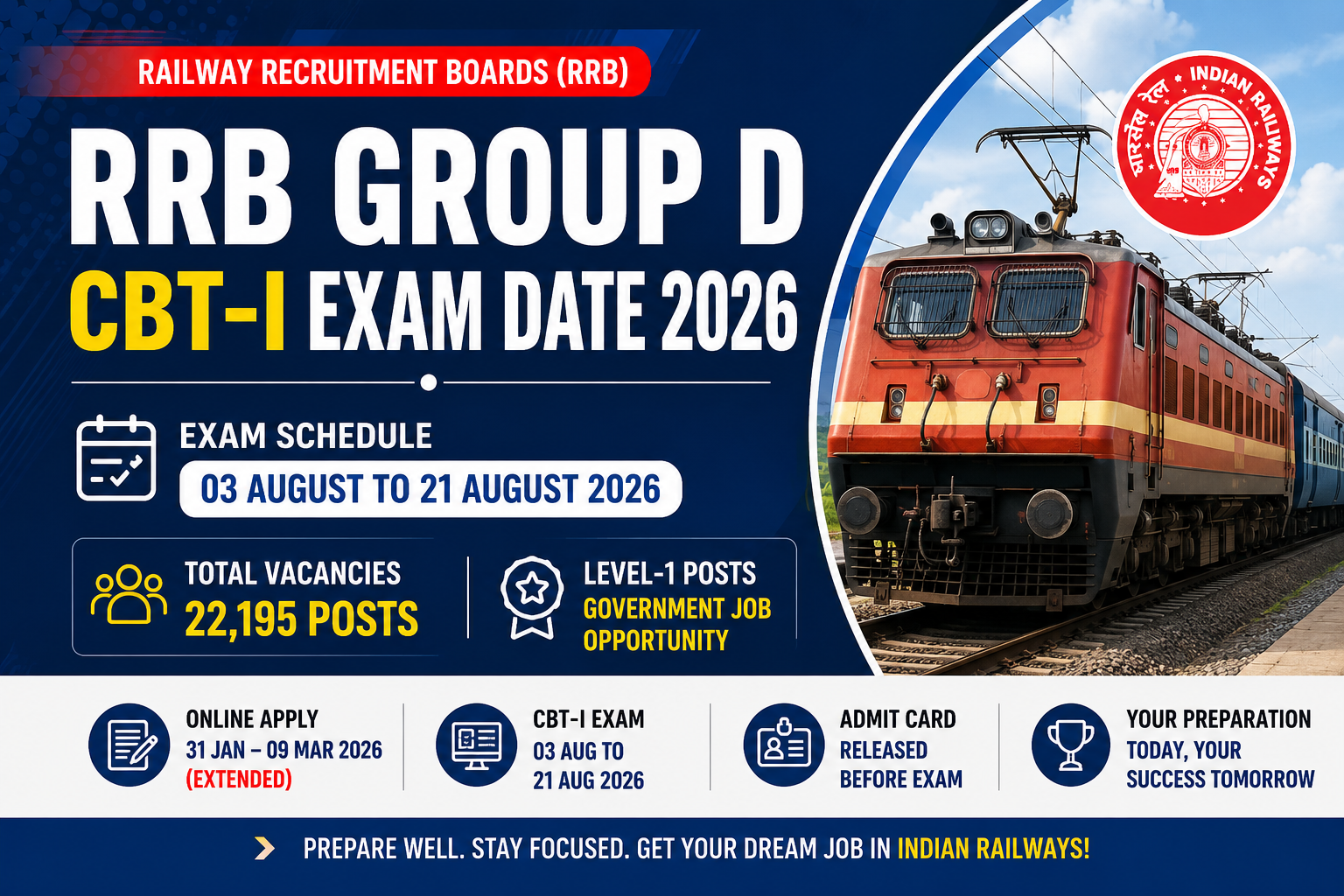
RRB Group D CBT-1 Exam Date 2026 Out: Check Exam Schedule, Vacancy, Eligibility & Latest Updates
NEW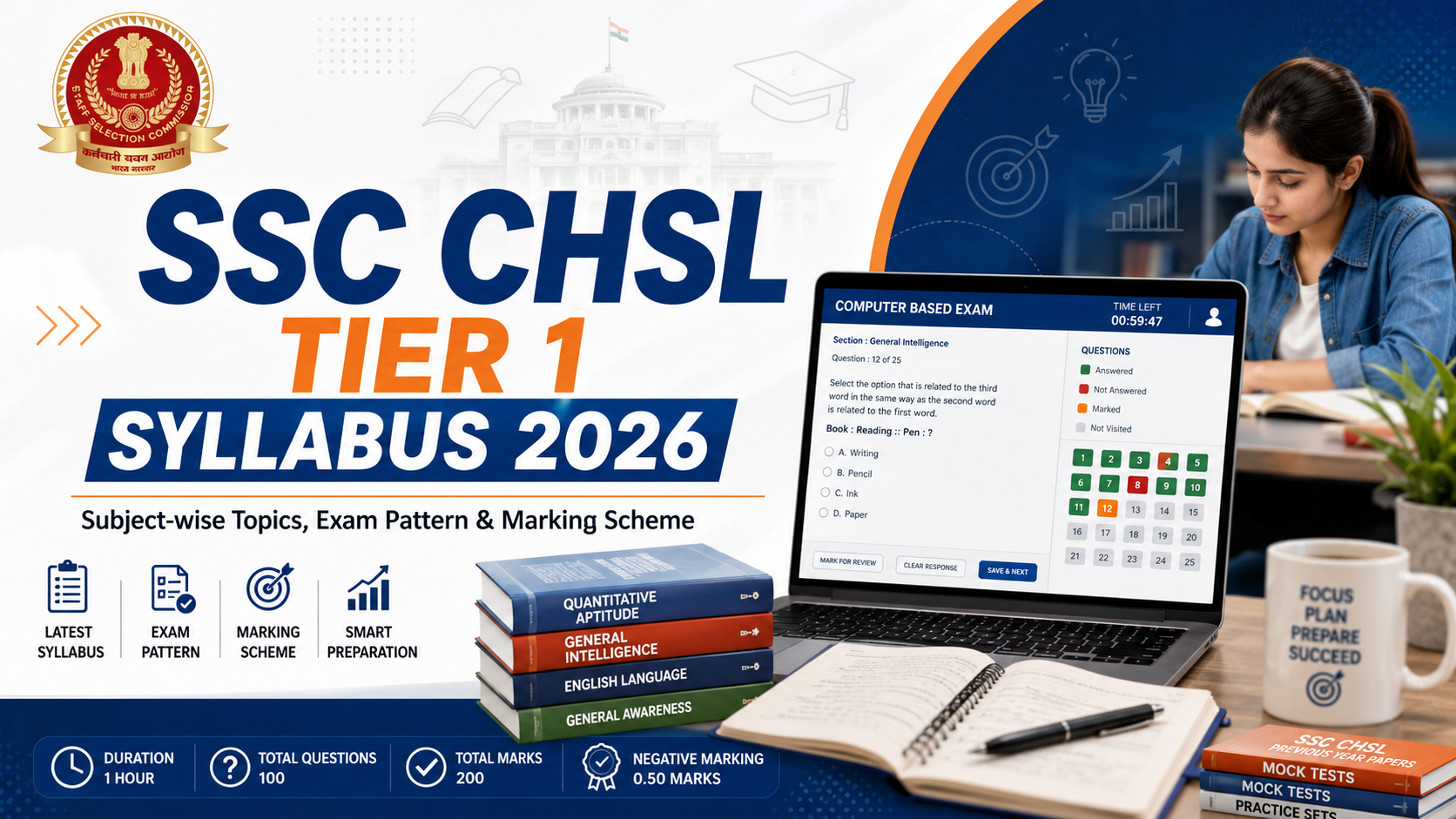
SSC CHSL Tier 1 Syllabus 2026
NEW
AngularJS Interview Questions and Answers
NEW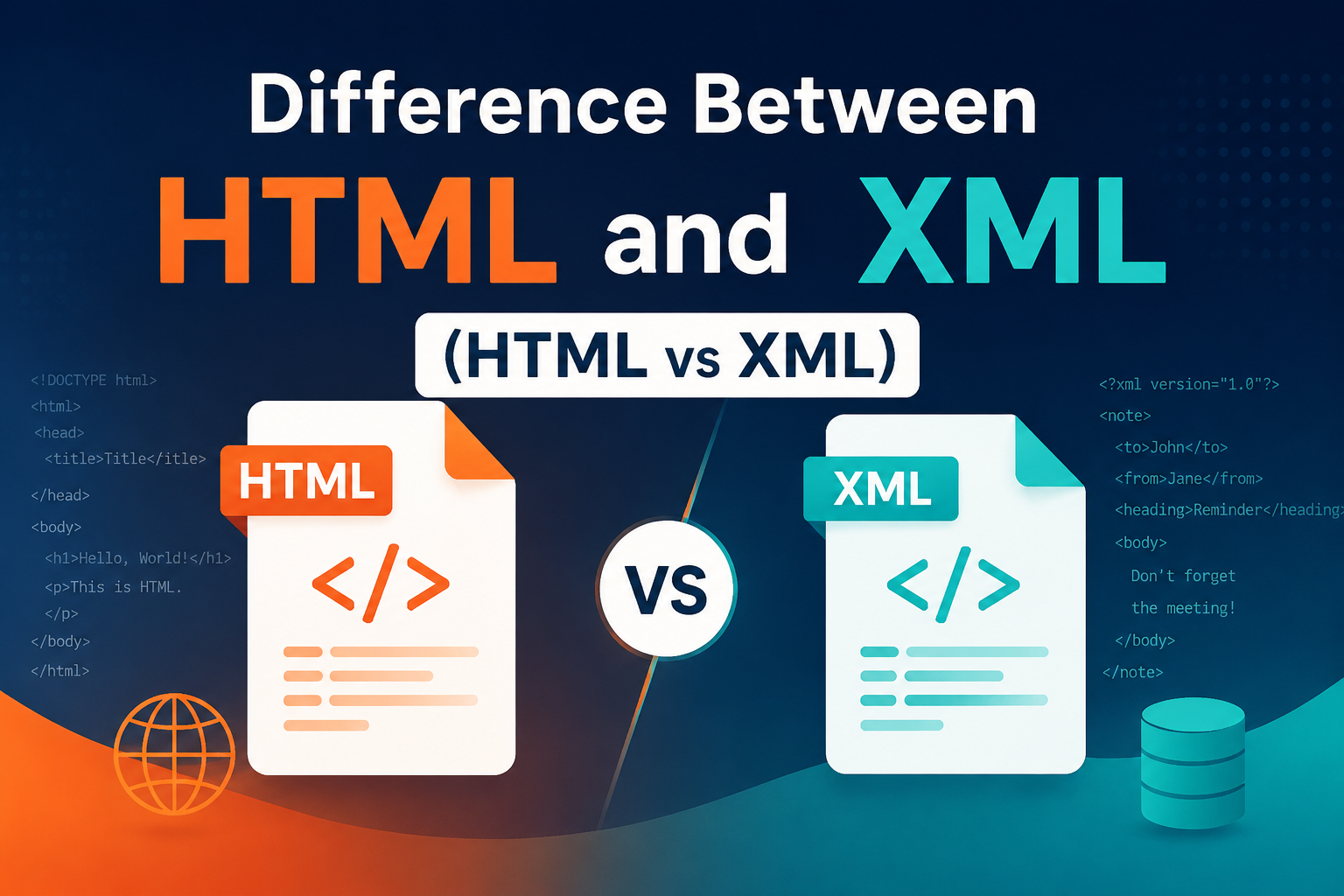
Difference Between HTML and XML (HTML vs XML)
NEW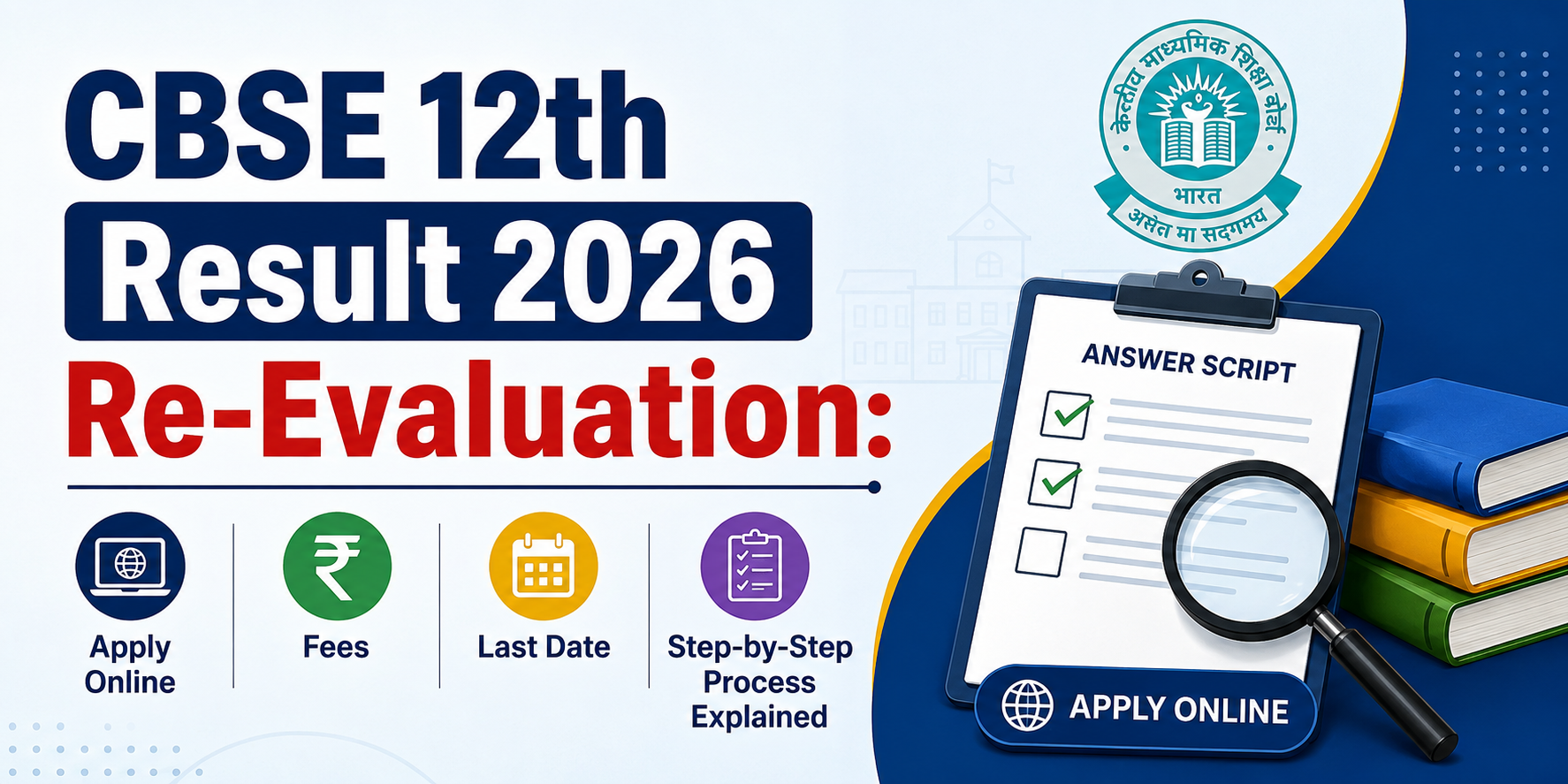
CBSE 12th Result 2026 Re-Evaluation: Apply Online, Fees, Last Date & Step-by-Step Process Explained
NEW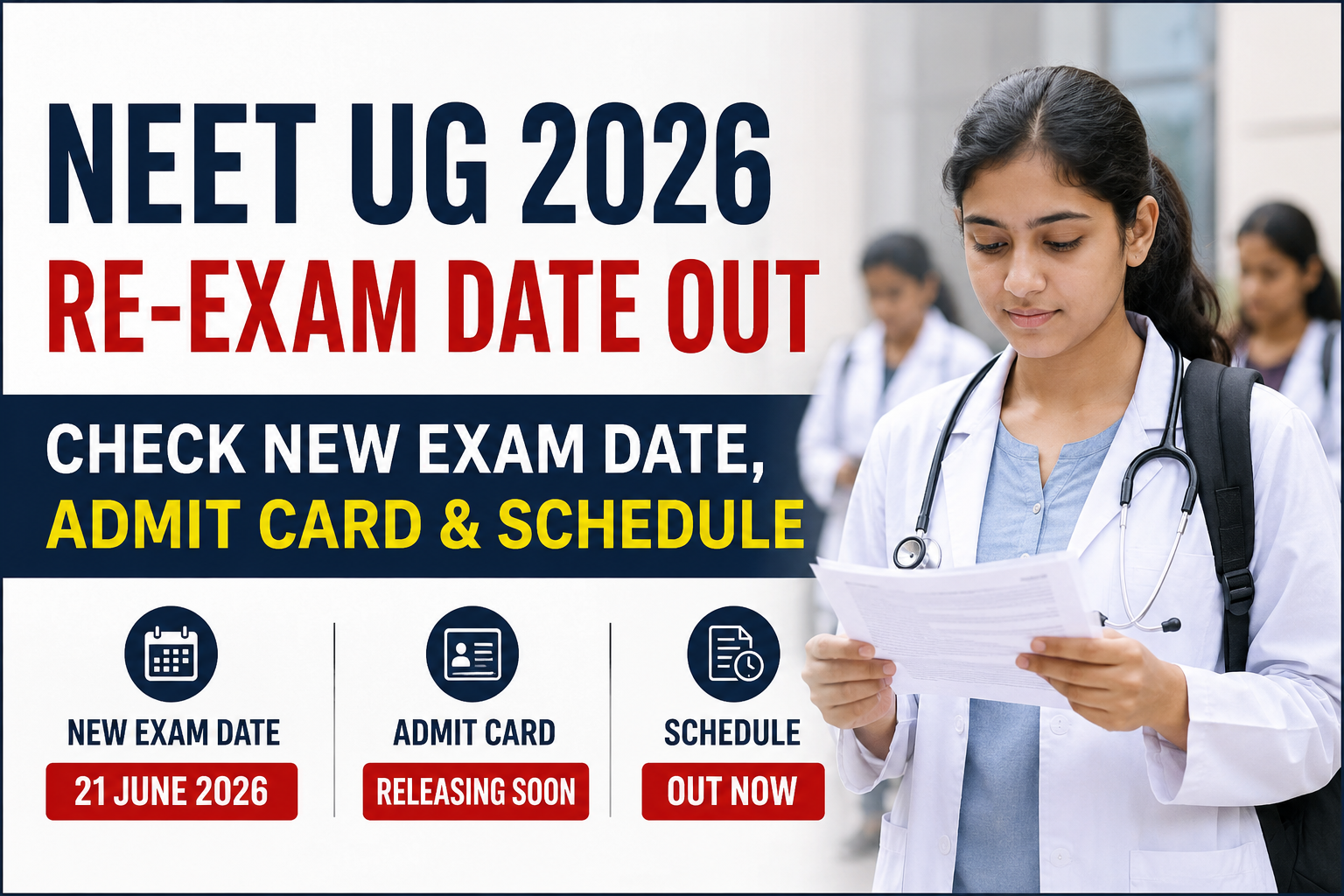
NEET UG 2026 Re-Exam Date Announced: Check New Exam Date, Schedule & Latest Updates
NEW
Understanding the SSC Phase 14 Exam: A Comprehensive Overview
NEW
Top Study Tips for Cracking Your Exams with Confidence
NEW
Aerospace Engineering: Scope, Courses & Career Opportunities
NEW
SSC CHSL Syllabus
NEW
EPFO 3.0 is Here: 7 Major Changes Every Employee Must Know
NEW