RSMSSB JE MCQs
RSMSSB JE MCQs with questions and answers RSMSSB Junior Engineer exam preparation guide @ ExamVibe This section consists of topic-wise multiple-choice questions covering Civil Engineering, Mechanical Engineering, Electrical Engineering, Surveying, Building Materials, Strength of Materials, Environmental Engineering and Engineering Mechanics along with other subjects included in the latest RSMSSB JE syllabus. There are comprehensive answers and explanations that give candidates the ability to obtain a good understanding of concepts, improve their technical knowledge and avoid pitfalls. Practising these MCQs on a regular basis increases your problem-solving ability, speed and accuracy needed in competitive Examinations. These RSMSSB JE MCQs provide you with a structured yet effective learning platform either if you are preparing for the written exam, reviewing core engineering topics or testing your knowledge through mock practice. Enhance your preparation, test your performance and improve your chances to get a Junior Engineer seat in the departments of Rajasthan government.
The RSMSSB JE exam primarily focuses on engineering subjects such as civil, mechanical, electrical, or electronics engineering depending on the post. Along with technical subjects, the exam also includes sections on general knowledge, reasoning ability, mathematics, and Rajasthan-specific awareness. Regular practice of MCQs is crucial for mastering both technical and non-technical sections.
Practicing RSMSSB JE MCQs helps candidates improve speed, accuracy, and conceptual clarity. Since the exam is time-bound and highly competitive, consistent MCQ practice plays a major role in achieving success. It also helps in understanding the type of questions frequently asked in previous exams.
Technical MCQs cover important engineering concepts such as strength of materials, fluid mechanics, thermodynamics, electrical circuits, construction materials, surveying, and machine design, depending on the discipline. General knowledge questions include Indian history, geography, polity, current affairs, and Rajasthan state-specific topics. Reasoning and mathematics sections test logical thinking, problem-solving ability, and numerical skills.
To prepare effectively for RSMSSB JE MCQs, candidates should follow a structured study plan that includes topic-wise preparation, daily MCQ practice, and regular revision. Understanding core engineering concepts is very important for solving application-based questions.
Previous year question papers are highly useful for identifying important topics and exam patterns. They also help candidates understand the difficulty level of the exam and improve their preparation strategy accordingly.
Mock tests play a crucial role in preparation by simulating real exam conditions. They help candidates manage time effectively and improve performance under pressure. After each test, analyzing mistakes is necessary for continuous improvement.
Consistency is key in engineering competitive exams. Candidates should dedicate fixed hours daily for MCQ practice and revision. Breaking the syllabus into smaller sections helps in better understanding and retention of concepts.
Understanding the syllabus is the first step in preparation. It allows candidates to focus on relevant topics and avoid wasting time on unnecessary material. A well-planned study strategy ensures better results in less time.
In conclusion, RSMSSB JE MCQs are a powerful tool for exam preparation. With regular practice, strong conceptual understanding, and proper planning, candidates can significantly improve their performance. A disciplined approach that includes mock tests, revision, and topic-wise study increases the chances of success in RSMSSB JE recruitment exams. Staying consistent and focused is essential for achieving a government engineering job.
Q1. Ohm’s Law states that:
📘 View ExplanationQ2. The SI unit of electric current is:
📘 View ExplanationQ3. Which material is a good conductor of electricity?
📘 View ExplanationQ4. The SI unit of resistance is:
📘 View ExplanationQ5. Kirchhoff’s Current Law is based on:
📘 View ExplanationQ6. The device used to measure current is:
📘 View ExplanationQ7. Power in an electrical circuit is given by:
📘 View ExplanationQ8. Which law is used for DC circuit analysis?
📘 View ExplanationQ9. The unit of electrical power is:
📘 View ExplanationQ10. Short circuit occurs when:
📘 View ExplanationQ11. Fuse is used for:
📘 View ExplanationQ12. AC stands for:
📘 View ExplanationQ13. DC stands for:
📘 View ExplanationQ14. Transformer works on:
📘 View ExplanationQ15. Frequency unit is:
📘 View ExplanationQ16. Capacitor stores:
📘 View ExplanationQ17. Semiconductor example is:
📘 View ExplanationQ18. Which instrument measures voltage?
📘 View ExplanationQ19. The resistance of a conductor depends on:
📘 View ExplanationQ20. Superconductors have resistance:
📘 View ExplanationQ21. Which is a renewable energy source?
📘 View ExplanationQ22. Power factor is maximum when:
📘 View ExplanationQ23. Battery converts:
📘 View ExplanationQ24. Electric field unit is:
📘 View ExplanationQ25. Inductor stores energy in:
📘 View ExplanationQ26. Which device is used for power measurement?
📘 View ExplanationQ27. Earth wire is used for:
📘 View ExplanationQ28. Which law explains induced EMF?
📘 View ExplanationQ29. Diode is used for:
📘 View Explanation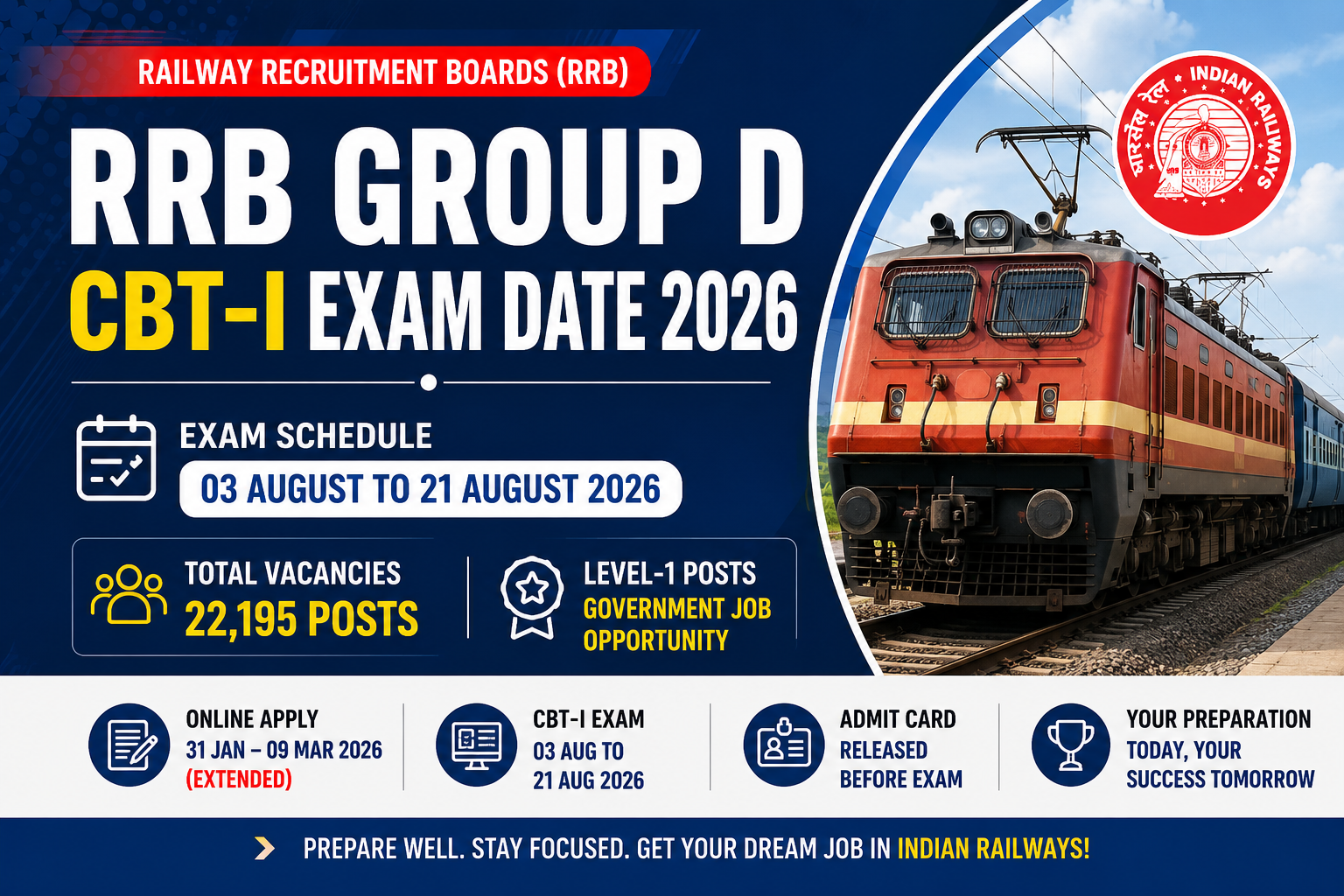
RRB Group D CBT-1 Exam Date 2026 Out: Check Exam Schedule, Vacancy, Eligibility & Latest Updates
NEW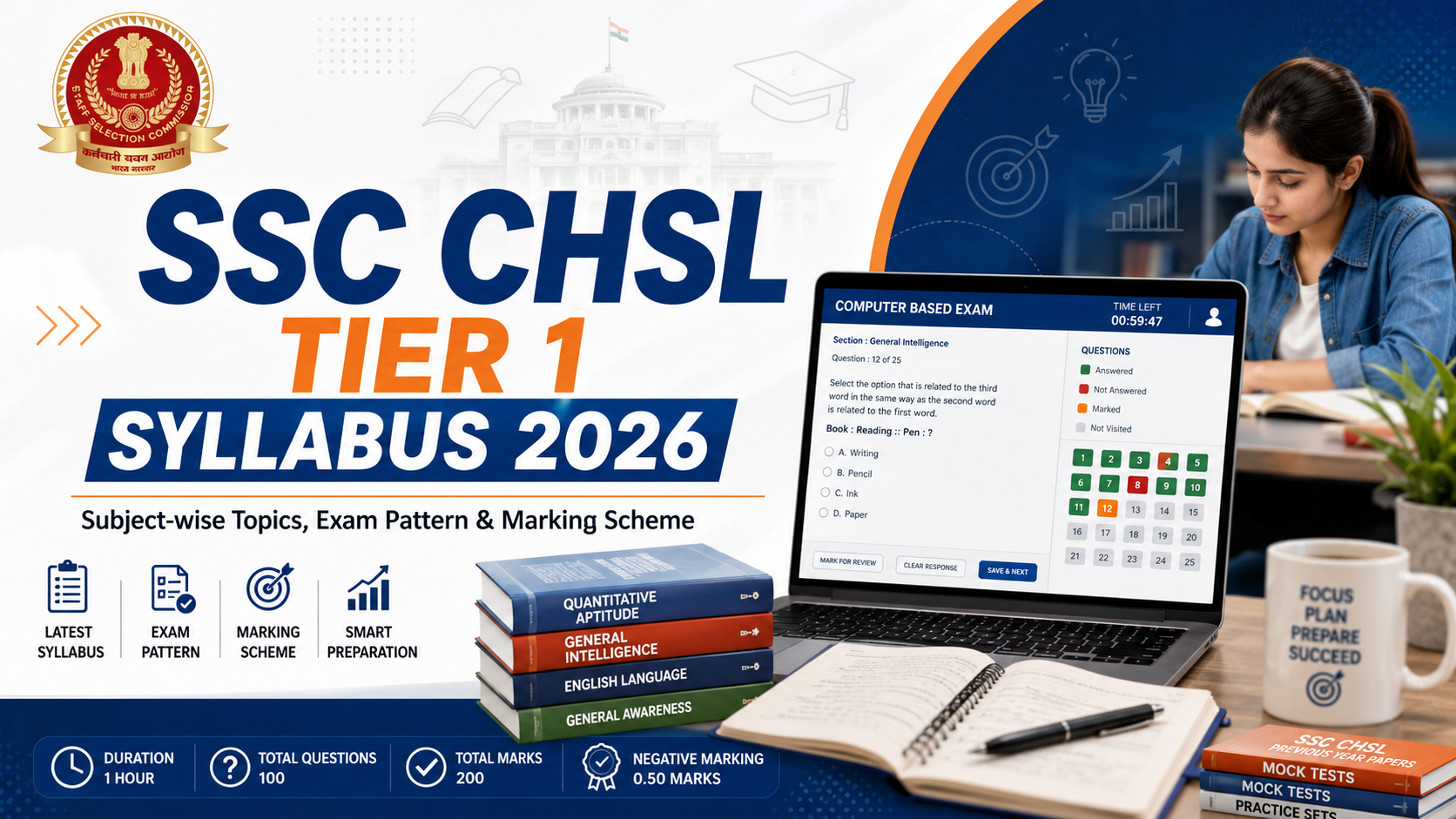
SSC CHSL Tier 1 Syllabus 2026
NEW
AngularJS Interview Questions and Answers
NEW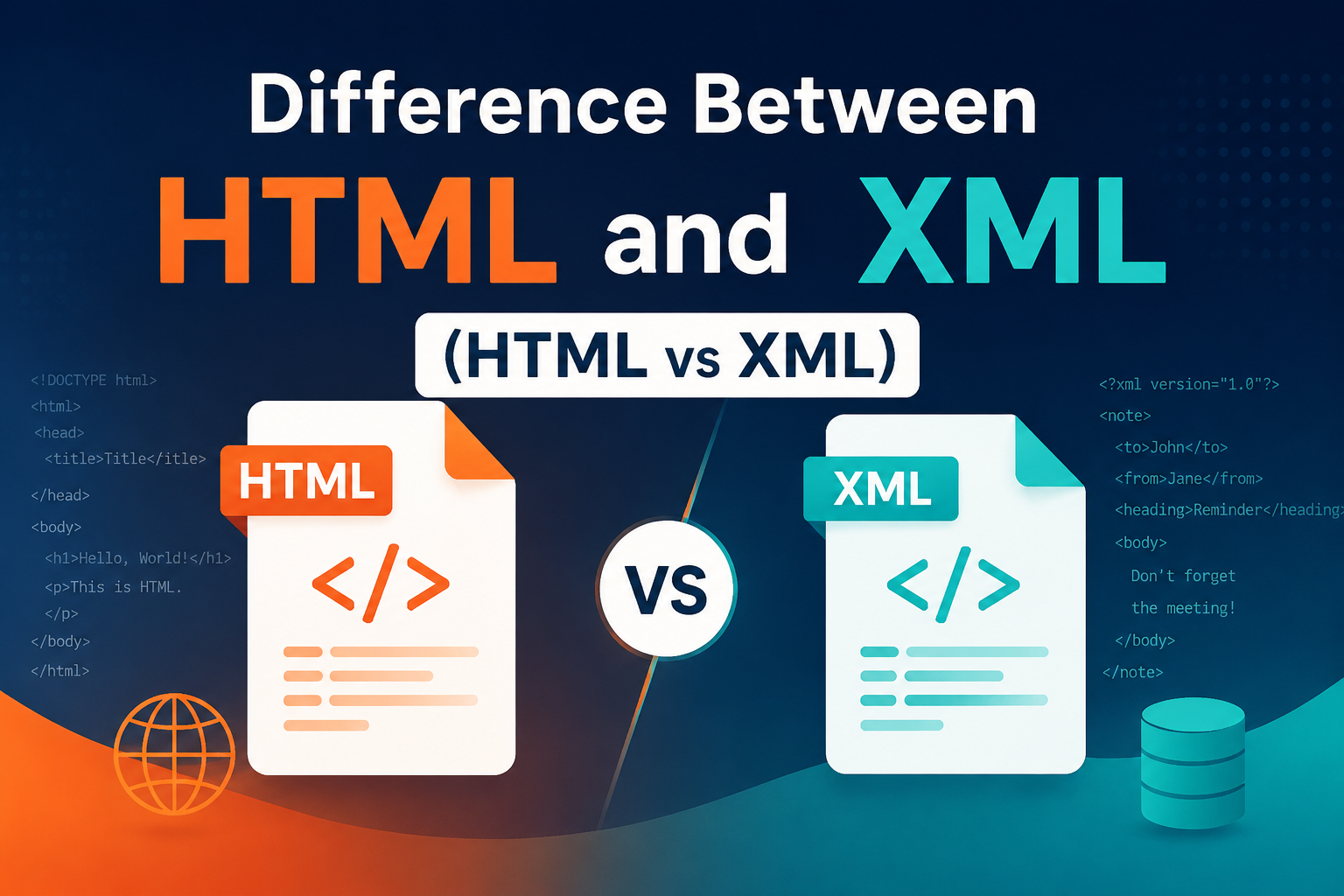
Difference Between HTML and XML (HTML vs XML)
NEW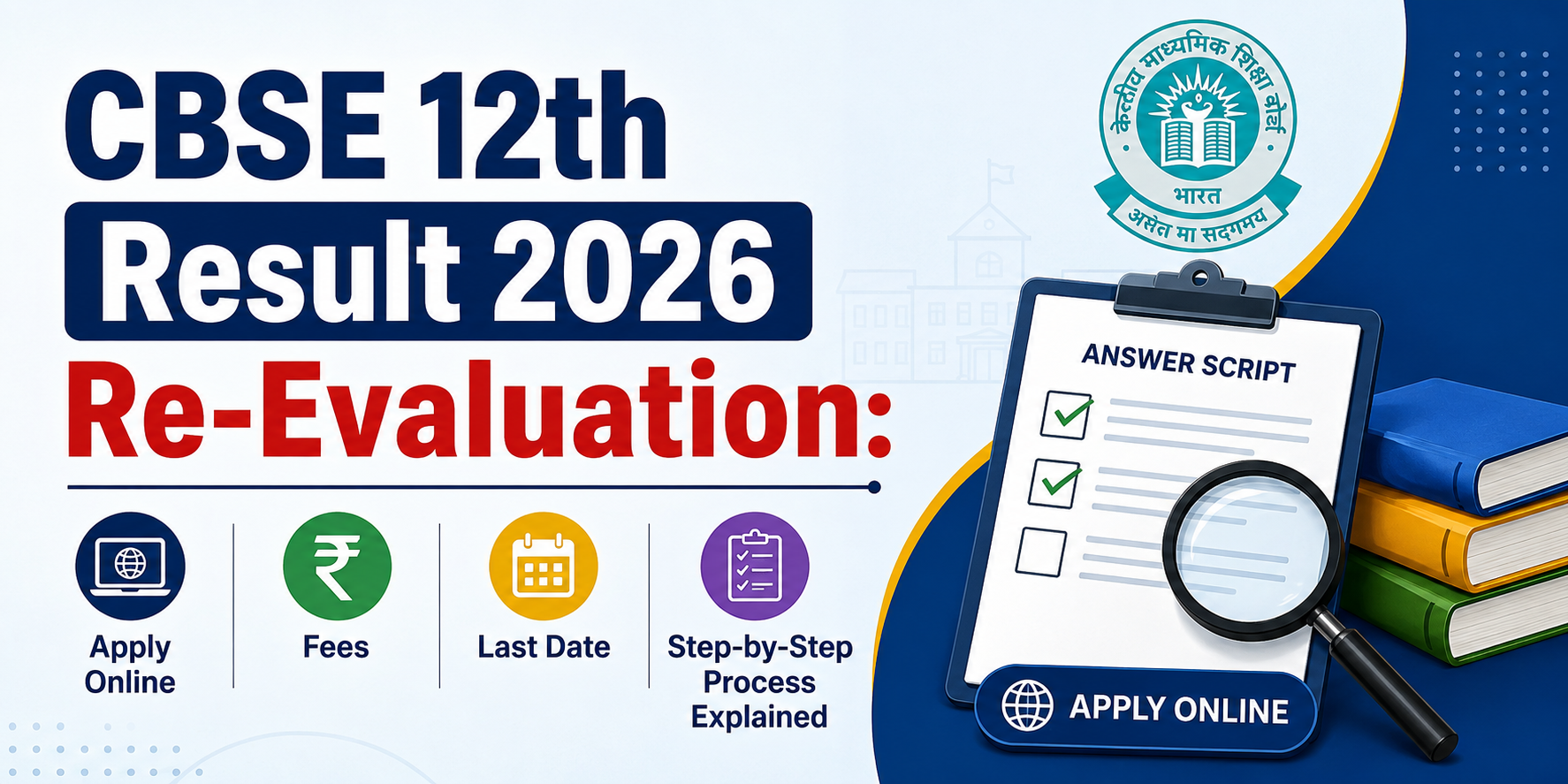
CBSE 12th Result 2026 Re-Evaluation: Apply Online, Fees, Last Date & Step-by-Step Process Explained
NEW
NEET UG 2026 Re-Exam Date Announced: Check New Exam Date, Schedule & Latest Updates
NEW
Understanding the SSC Phase 14 Exam: A Comprehensive Overview
NEW
Top Study Tips for Cracking Your Exams with Confidence
NEW
Aerospace Engineering: Scope, Courses & Career Opportunities
NEW
SSC CHSL Syllabus
NEW
EPFO 3.0 is Here: 7 Major Changes Every Employee Must Know
NEW