Electrical Engineering
MCQs on Electrical Engineering
Practice Electrical Engineering MCQs with detailed answers and explanations. This helps in exams like SSC, GATE, UPSC, and other competitive exams.
Electrical Engineering is a core branch of engineering that deals with the study, design, and application of electrical systems, circuits, and devices. It plays a crucial role in modern technology, from power generation and distribution to electronics, automation, and communication systems.
This category, Electrical Engineering MCQs, is designed to help learners understand fundamental concepts and evaluate their knowledge through structured practice tests.
What is Electrical Engineering?
Electrical Engineering focuses on the principles of electricity, electromagnetism, and electronics. It involves working with systems that generate, transmit, and utilize electrical power efficiently and safely.
From large-scale power grids to small electronic circuits, electrical engineering is the backbone of today’s technological world.
Important Topics in Electrical Engineering
To build a strong foundation, it is important to cover the key areas of this field:
Basic Electrical Concepts – Ohm’s Law, Kirchhoff’s Laws, circuit analysis
Electrical Machines – Transformers, Motors, Generators
Power Systems – Generation, transmission, and distribution of electricity
Control Systems – Stability, feedback systems, automation
Network Theory – Circuit solving techniques and theorems
Electronics – Semiconductors, diodes, transistors
These topics are essential for competitive exams like GATE, SSC JE, RRB, and other technical recruitment tests.
Why Practice Electrical Engineering MCQs?
Practicing MCQs is one of the most effective ways to:
Improve conceptual clarity
Increase problem-solving speed
Identify weak areas
Gain confidence for exams
Test Your Knowledge
If you want to evaluate your understanding and improve your performance, you can attempt the topic-wise Electrical Engineering MCQs given below. Regular practice will help you strengthen your concepts and achieve better results in your exams.
Start practicing now and take your preparation to the next level with ExamVibe 🚀
Analog Electronics MCQ
Control Systems MCQ
Digital Electronics MCQ
Electric Drives MCQ
Electric Vehicle Technology MCQ
Electrical Circuits MCQ
Electrical Machines MCQ
Electrical Measurements MCQ
Electrical Safety MCQ
Electrical Utilization MCQ
Electromagnetic Fields MCQ
Energy Management MCQ
High Voltage Engineering MCQ
Industrial Automation MCQ
Instrumentation Engineering MCQ
Instrumentation Engineering MCQs
Microprocessors MCQ
Power Electronics MCQ
Power Systems MCQ
Renewable Energy Systems MCQ
Signal Processing MCQ
Smart Grid MCQ
Switchgear and Protection MCQ
Transmission and Distribution MCQ
Frequently Asked Questions
Electrical Engineering is a branch of engineering that deals with the study, design, and application of electricity, electronics, and electromagnetism in systems and devices.
Core subjects include Electrical Circuits, Control Systems, Power Systems, Electrical Machines, Electronics, and Signals and Systems.
The scope is wide in power generation, transmission, renewable energy, manufacturing, automation, and electronics industries.
Career options include Electrical Engineer, Power Engineer, Design Engineer, Maintenance Engineer, and Control Systems Engineer.
Companies include NTPC, BHEL, Power Grid Corporation, Siemens, ABB, L&T, Tata Power, and General Electric.
Yes, it is a strong core engineering branch with stable job opportunities in both government and private sectors.
Freshers can earn around ₹3.5–7 LPA in India, while experienced engineers can earn much higher depending on role and industry.
Common software includes MATLAB, Simulink, AutoCAD Electrical, ETAP, PSCAD, and PSpice.
Important skills include problem-solving, analytical thinking, circuit design, mathematics, and understanding of electrical systems.
The future scope is strong in renewable energy, electric vehicles, smart grids, automation, robotics, and power electronics.
NEW
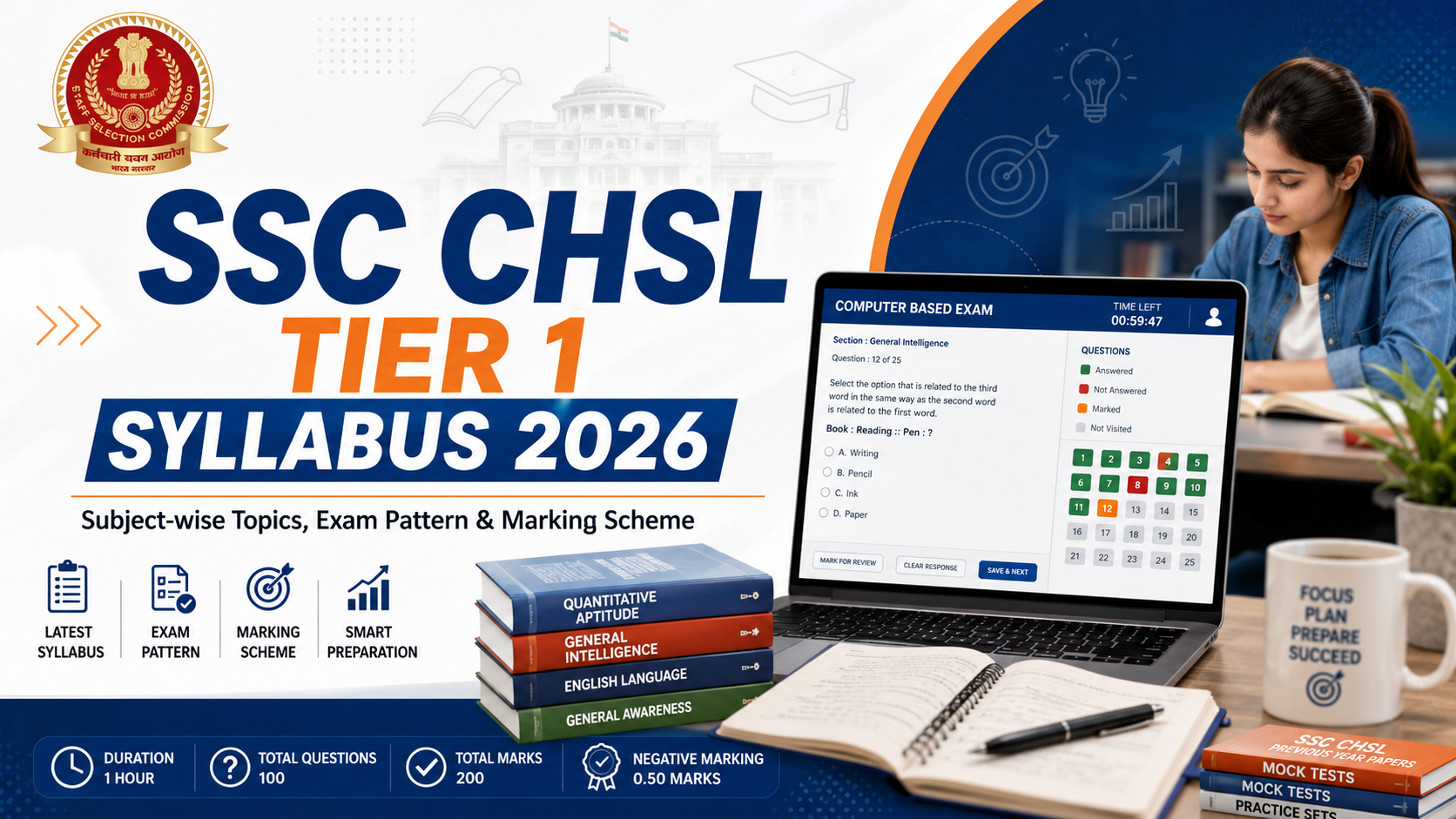



SSC CHSL Tier 1 Syllabus 2026
NEW
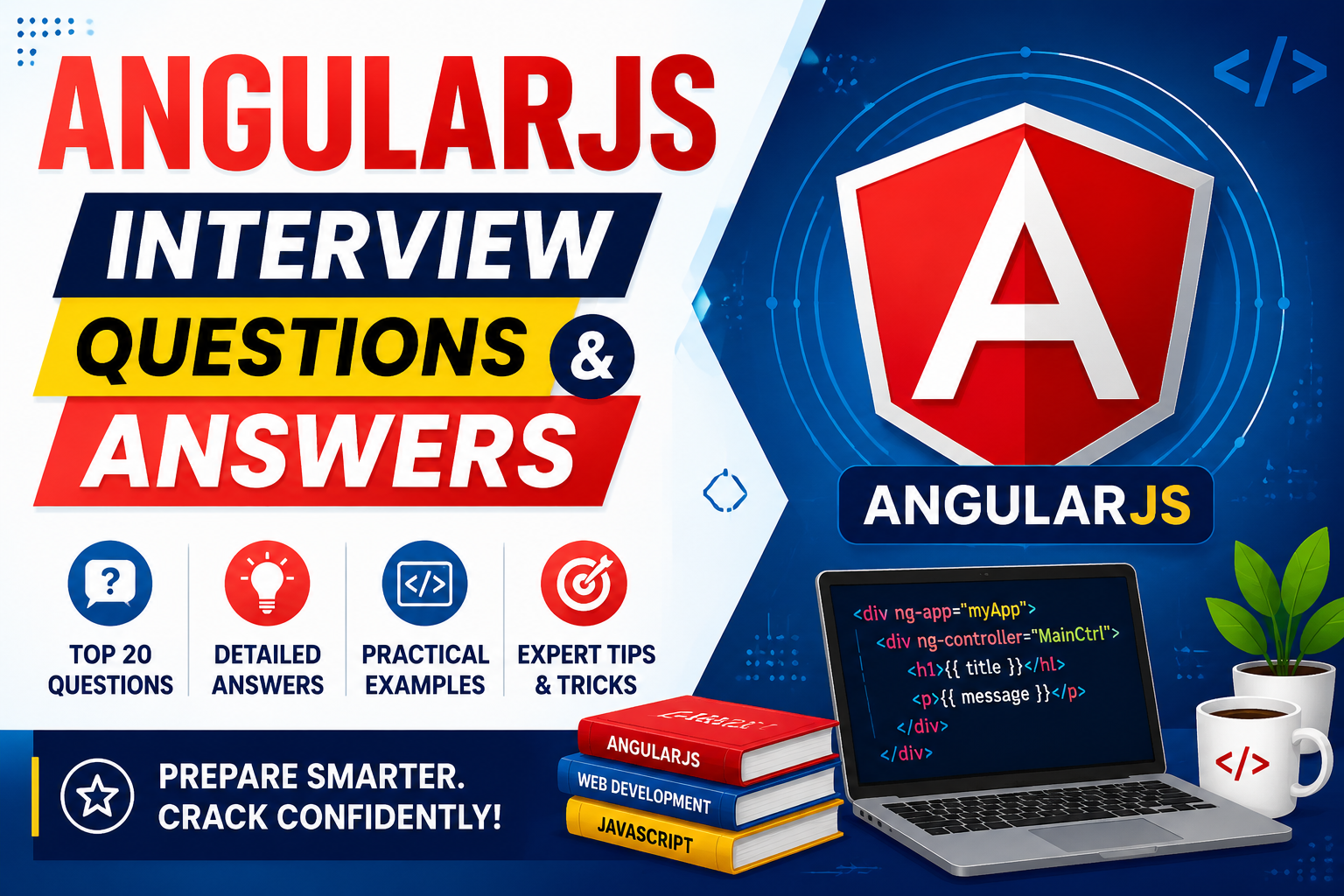
AngularJS Interview Questions and Answers
NEW
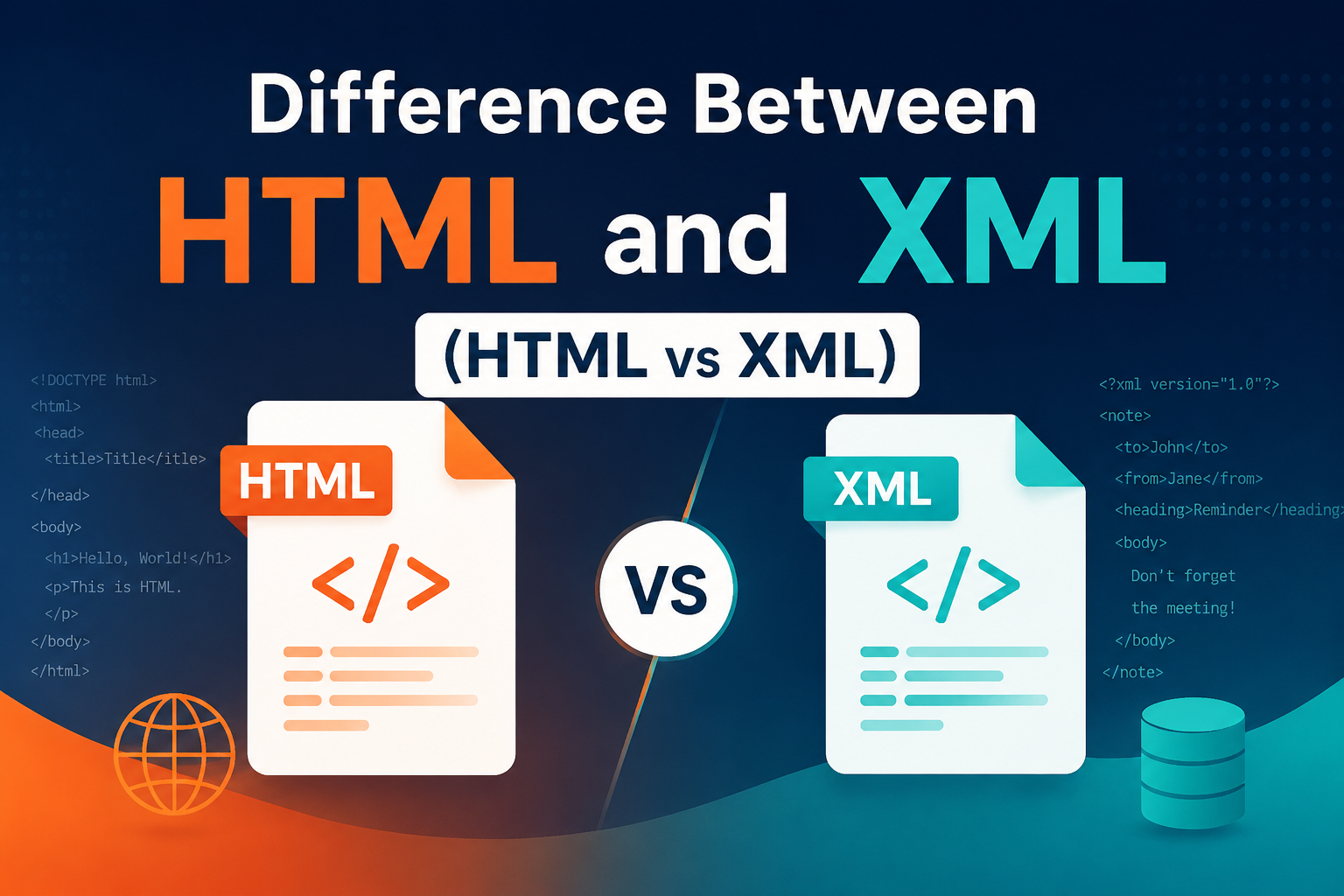
Difference Between HTML and XML (HTML vs XML)
NEW
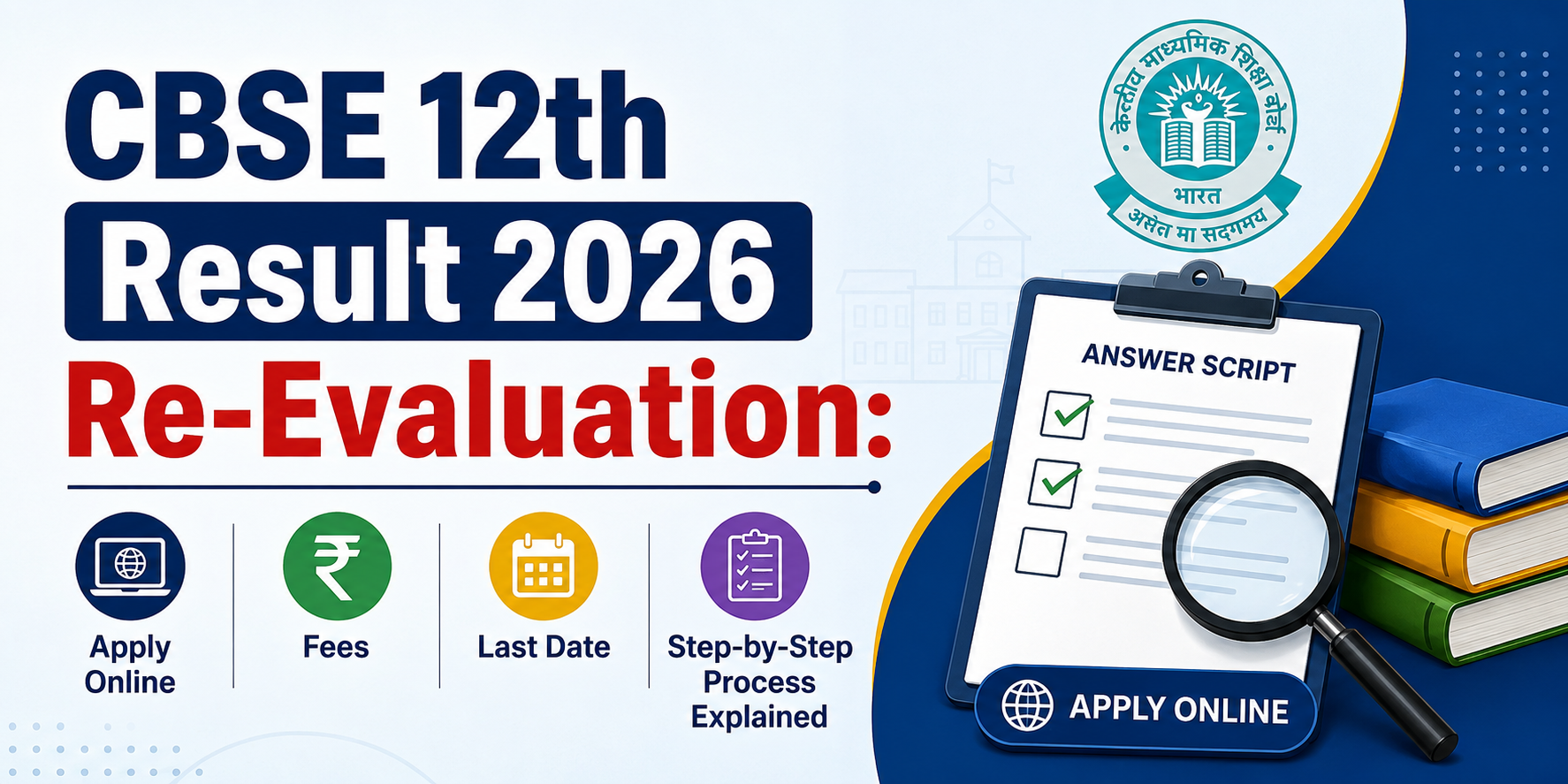
CBSE 12th Result 2026 Re-Evaluation: Apply Online, Fees, Last Date & Step-by-Step Process Explained
NEW
NEET UG 2026 Re-Exam Date Announced: Check New Exam Date, Schedule & Latest Updates
NEW
Understanding the SSC Phase 14 Exam: A Comprehensive Overview
NEW
Top Study Tips for Cracking Your Exams with Confidence
NEW
Aerospace Engineering: Scope, Courses & Career Opportunities
NEW
SSC CHSL Syllabus
NEW
EPFO 3.0 is Here: 7 Major Changes Every Employee Must Know
NEW
Indian Army Salary Structure
NEW