Electrical Machines MCQ
Q1. What is the primary function of a transformer?
Correct Answer: A
Q2. In which type of machine is the armature placed on the stator?
Correct Answer: A
Q3. What is the basic principle of operation of a DC motor?
Correct Answer: B
Q4. Which of the following is the main component of a transformer?
Correct Answer: D
Q5. What is the purpose of a commutator in a DC machine?
Correct Answer: A
Correct Answer: A
Q7. Which of the following is true for a synchronous motor?
Correct Answer: A
Q8. Which of the following is NOT a type of electrical machine?
Correct Answer: A
Q9. What is the typical efficiency range of an induction motor?
Correct Answer: A
Q10. What is the function of the slip in an induction motor?
Correct Answer: A
Q11. What is the main difference between a generator and a motor?
Correct Answer: A
Q12. Which of the following is the characteristic of a DC generator?
Correct Answer: A
Q13. Which component is responsible for voltage regulation in a transformer?
Correct Answer: D
Q14. What is the primary purpose of a surge tank in a hydroelectric power plant?
Correct Answer: A
Q15. What type of power loss occurs in the windings of electrical machines?
Correct Answer: A
Q16. What is the function of the stator in a synchronous motor?
Correct Answer: A
Q17. What type of starter is used for starting large squirrel cage induction motors?
Correct Answer: A
Q18. What is the main purpose of the armature in a DC machine?
Correct Answer: A
Q19. What is the effect of increasing the supply frequency on the size of a transformer?
Correct Answer: A
Q20. What is the function of the rotor in an induction motor?
Correct Answer: A
Latest Blogs
NCERT Class 10 Science: Chemical Reactions and Equations – Notes, Questions and Answers
NEW
Quantum Physics for Beginners: A Simple Guide to Key Concepts, Examples and Applications
NEW
Top 20 Social Bookmarking Websites with High DA, PA and Low Spam Score
NEW
CBSE 2027 Exam Timetable Updates: Class 10 & 12 Date Sheet
NEW
Chemical Reactions and Equations Class 10 Important Questions and Answers
NEW
NCERT Solutions for Class 10 Science – Chapter-Wise Guide and Exam Preparation
NEW
SSC Exam Preparation: Complete Guide for Beginners
NEW
RRB Group D Answer Key 2026 Out: Check Response Sheet & Objection
NEW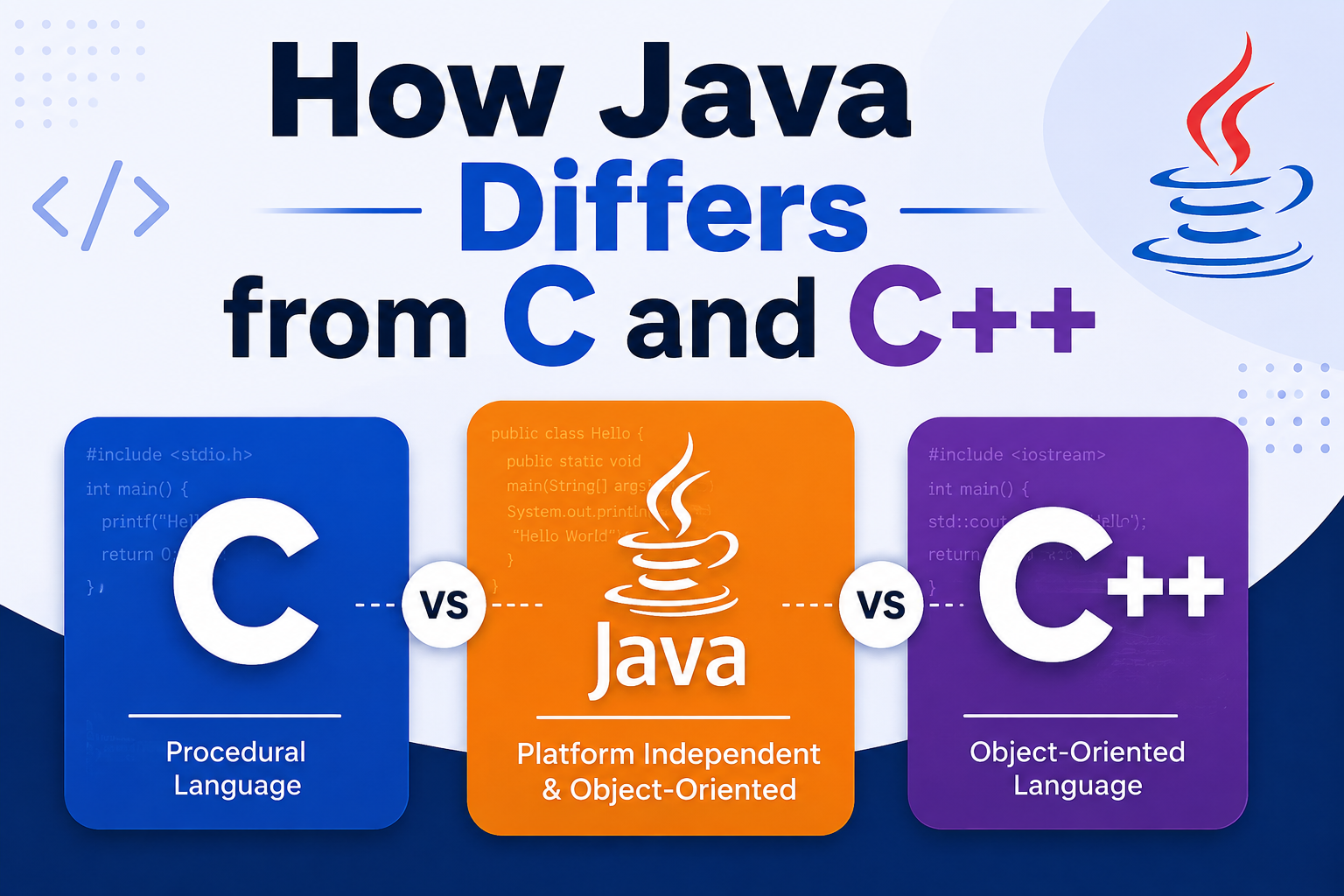
How Java Differs from C and C++
NEW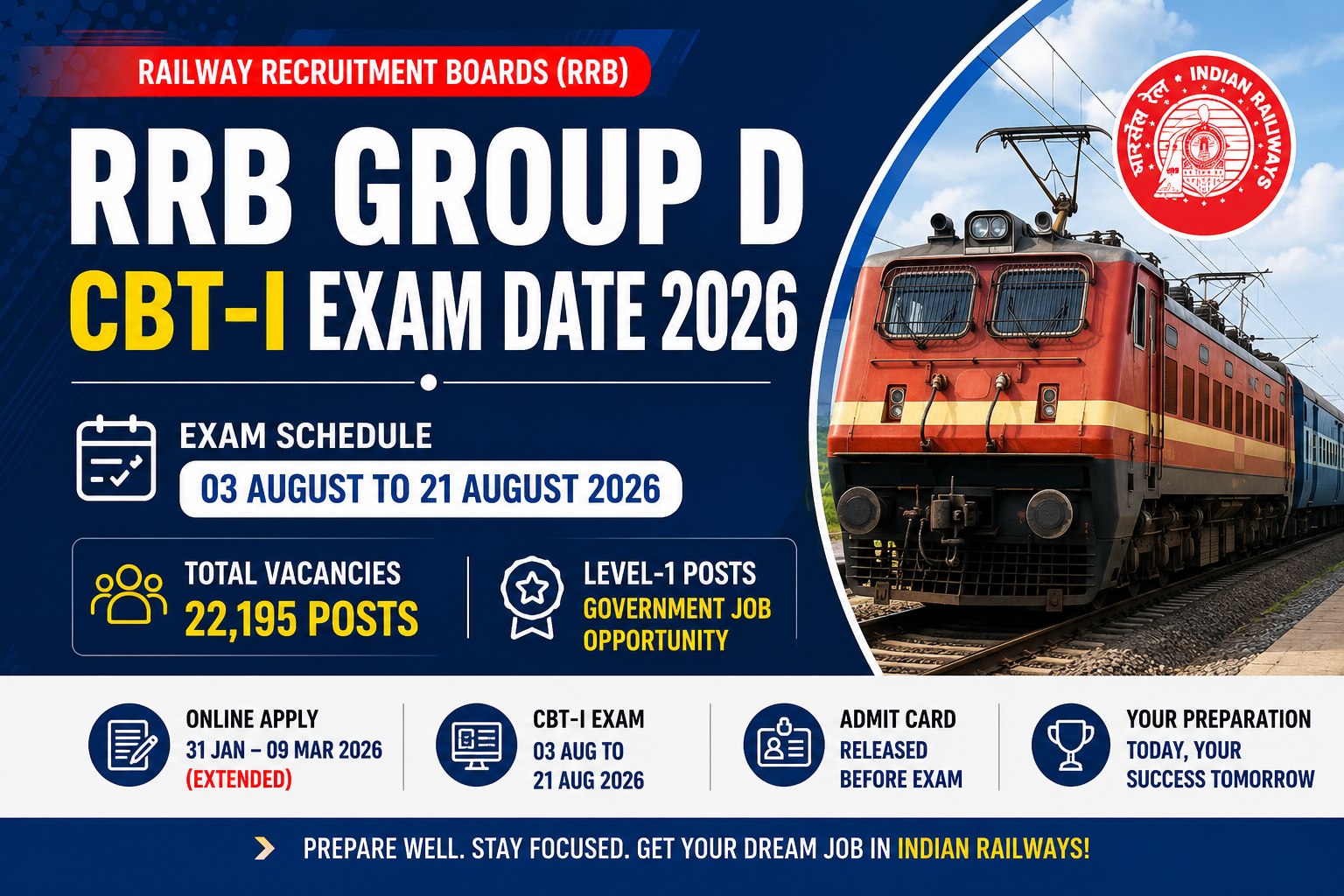
RRB Group D CBT-1 Exam Date 2026 Out: Check Exam Schedule, Vacancy, Eligibility & Latest Updates
NEW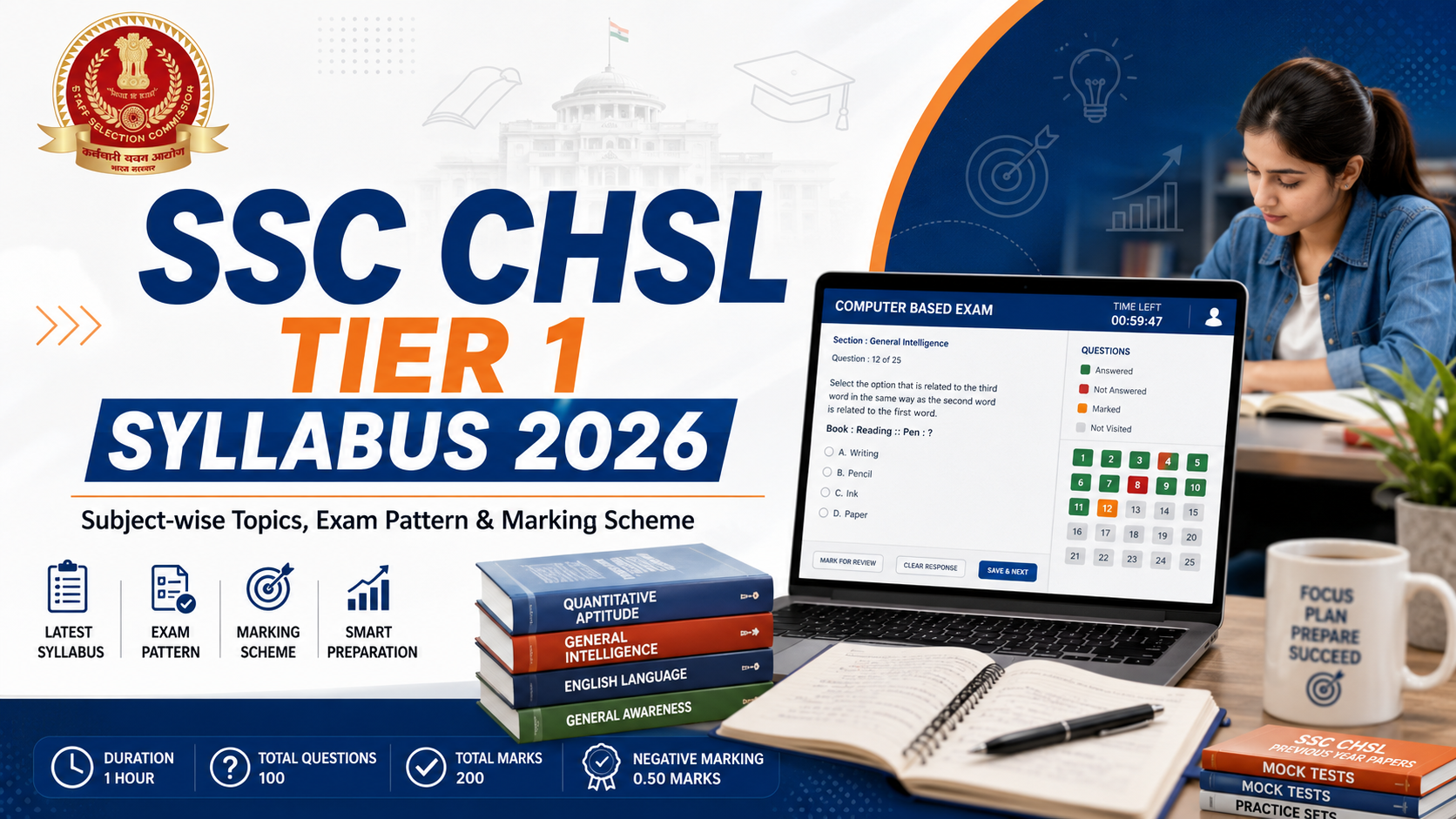
SSC CHSL Tier 1 Syllabus 2026
NEW