Theory of Machines MCQ
The Theory of Machines MCQ covers kinematics mechanics, dynamics governors, gyroscopes, governors, cams, gears, balancing basic vibration, and power transmission. These well-planned objective questions aid Mechanical Engineering students strengthen concepts and effectively prepare for competitive exams such as GATE SSC JE, RRB JE, ISRO, and PSU tests. Review these MCQs and answer them with explanations for better the accuracy of your questions and develop solid foundations in TOM.
Q1. A kinematic pair with surface contact is known as?
📘 View ExplanationQ2. Which of the following is a lower pair?
📘 View ExplanationQ3. The number of degrees of freedom for a planar mechanism is given by which formula?
📘 View ExplanationQ4. A four-bar mechanism has how many links?
📘 View ExplanationQ5. The Grashof condition is used for which mechanism?
📘 View ExplanationQ6. In a cam-follower system, follower motion depends on?
📘 View ExplanationQ7. Which gear train yields the highest speed reduction?
📘 View ExplanationQ8. In a slider crank mechanism, the slider is equivalent to?
📘 View ExplanationQ9. Which point on a cam follower trace is called the pitch point?
📘 View ExplanationQ10. Which mechanism converts rotary motion to reciprocating motion?
📘 View ExplanationQ11. The point which instantaneously has zero velocity is called?
📘 View ExplanationQ12. Coriolis component of acceleration appears in?
📘 View ExplanationQ13. When does a governor control speed?
📘 View ExplanationQ14. Which governor is most sensitive?
📘 View ExplanationQ15. Static friction is highest at?
📘 View ExplanationQ16. Which clutch works on the principle of centrifugal force?
📘 View ExplanationQ17. The mechanism used to lift the valves of IC engines is?
📘 View ExplanationQ18. Which belt has the highest power transmission capacity?
📘 View ExplanationQ19. Involute gear profile is preferred because?
📘 View ExplanationQ20. Which gear is used for non-parallel and non-intersecting shafts?
📘 View ExplanationQ21. The balancing of rotating parts reduces?
📘 View ExplanationQ22. Primary unbalanced forces occur due to?
📘 View ExplanationQ23. Secondary unbalanced forces occur at how many times crank speed?
📘 View ExplanationQ24. The function of flywheel is to?
📘 View ExplanationQ25. Which mechanism produces intermittent motion?
📘 View ExplanationQ26. The pressure angle in gears affects?
📘 View ExplanationQ27. The ratio of output torque to input torque in a clutch is?
📘 View ExplanationQ28. Which governor works at high speed?
📘 View ExplanationQ29. Gyroscopic couple is given by?
📘 View ExplanationQ30. In gyroscopic action, the rotor resists?
📘 View ExplanationQ31. Cams are mostly made of?
📘 View ExplanationQ32. Coefficient of fluctuation of energy relates to?
📘 View ExplanationQ33. The locus of instantaneous centre in a mechanism is called?
📘 View ExplanationQ34. The relation between pitch and module in gears is?
📘 View ExplanationQ35. In a cam mechanism, dwell period means?
📘 View ExplanationQ36. A mechanism with no degree of freedom is called?
📘 View ExplanationQ37. The reversal of follower motion occurs at?
📘 View ExplanationQ38. To avoid interference in gears, one can?
📘 View ExplanationLatest Blogs
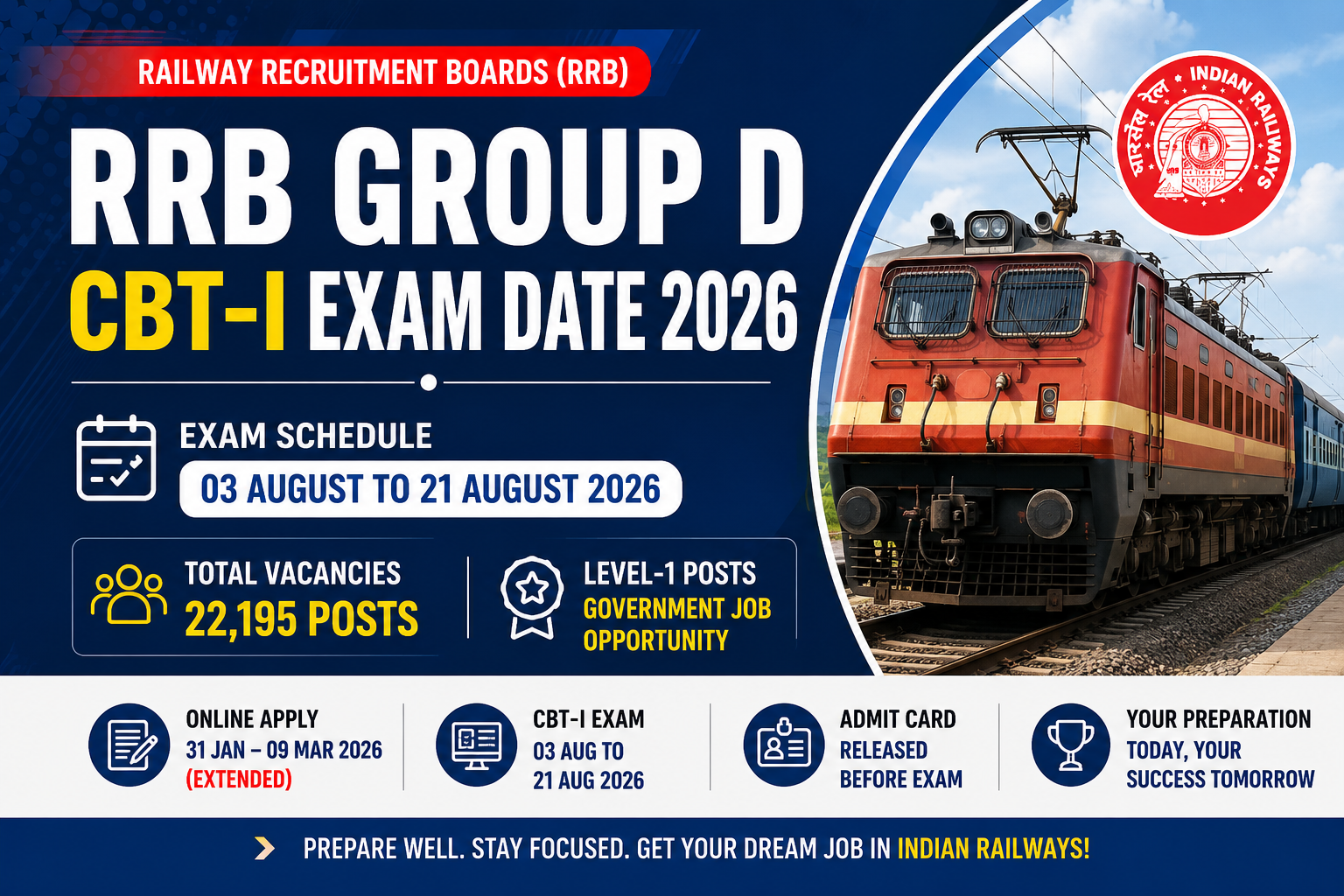
RRB Group D CBT-1 Exam Date 2026 Out: Check Exam Schedule, Vacancy, Eligibility & Latest Updates
NEW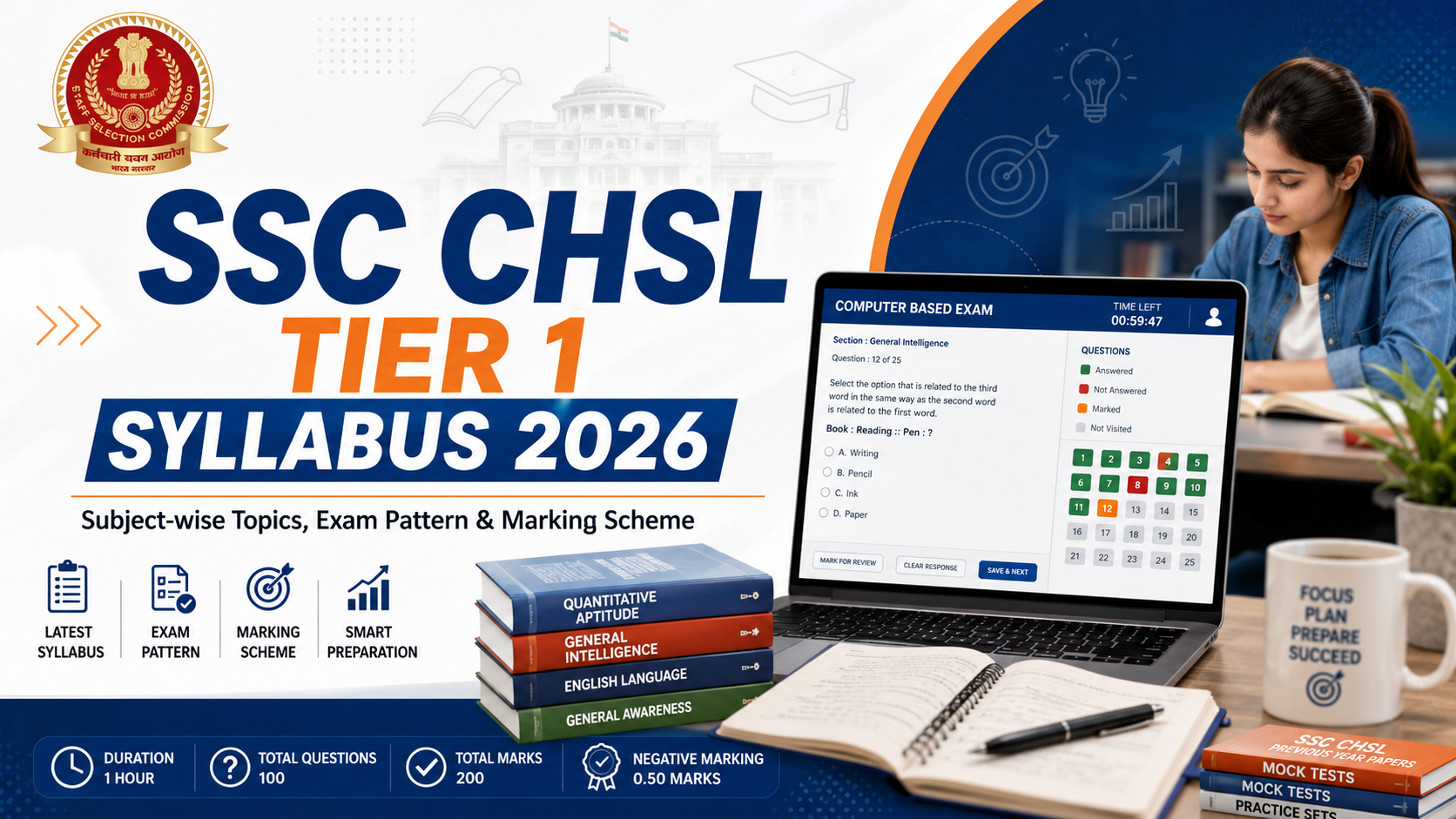
SSC CHSL Tier 1 Syllabus 2026
NEW
AngularJS Interview Questions and Answers
NEW
Difference Between HTML and XML (HTML vs XML)
NEW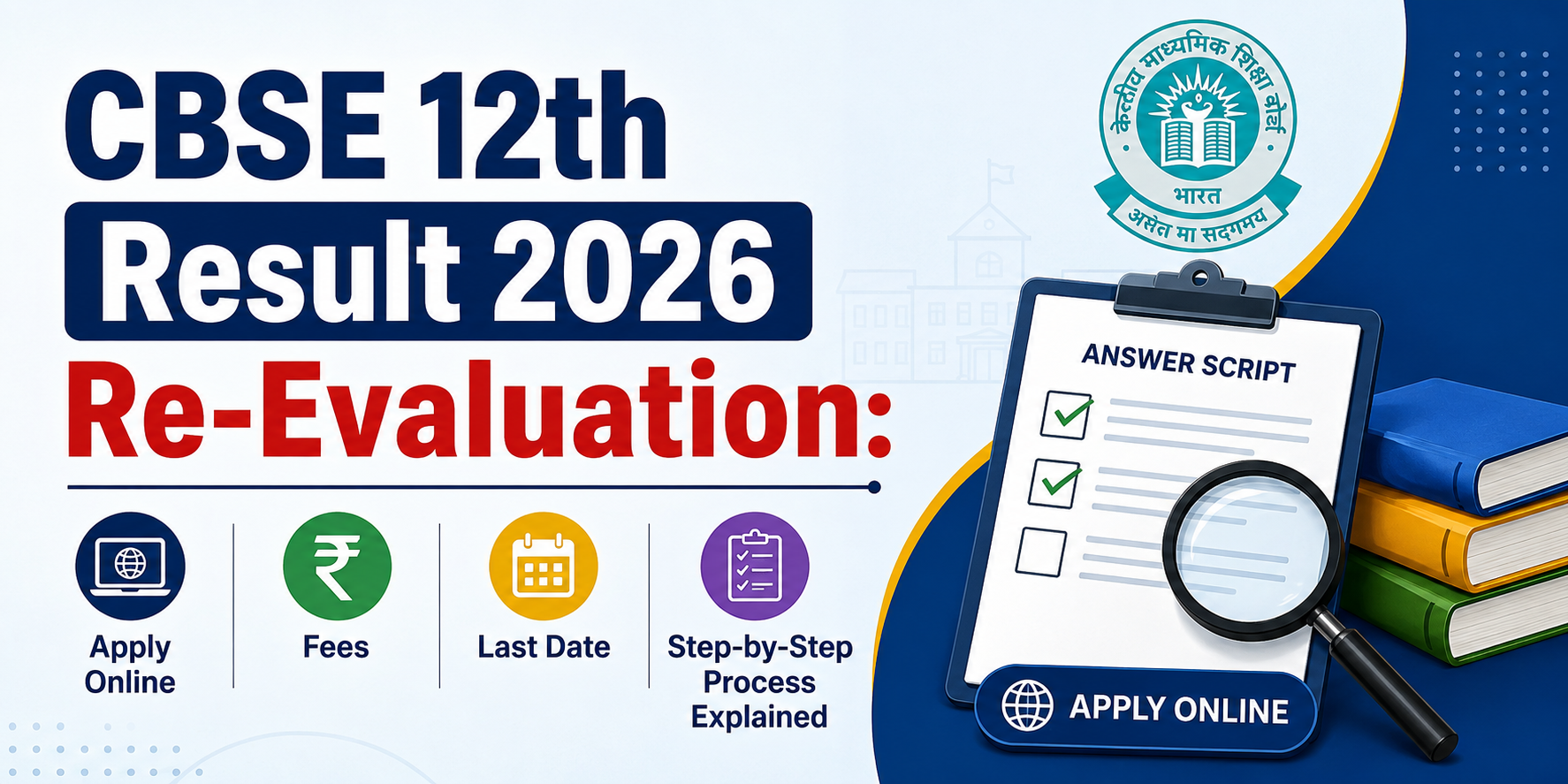
CBSE 12th Result 2026 Re-Evaluation: Apply Online, Fees, Last Date & Step-by-Step Process Explained
NEW
NEET UG 2026 Re-Exam Date Announced: Check New Exam Date, Schedule & Latest Updates
NEW
Understanding the SSC Phase 14 Exam: A Comprehensive Overview
NEW
Top Study Tips for Cracking Your Exams with Confidence
NEW
Aerospace Engineering: Scope, Courses & Career Opportunities
NEW
SSC CHSL Syllabus
NEW
EPFO 3.0 is Here: 7 Major Changes Every Employee Must Know
NEW