IB ACIO MCQs - Page 2
Practice IB ACIO MCQs with answers and explanations. Improve GK, reasoning, aptitude, English, and intelligence skills for exam success.
Meta Keywords:
IB ACIO MCQs, Intelligence Bureau ACIO Exam, Government Job MCQs, Reasoning Practice, GK Questions, SSC Style Exam Preparation
Description (400 words):
IB ACIO MCQs are an essential part of preparation for candidates applying for the Assistant Central Intelligence Officer (ACIO) post in the Intelligence Bureau under the Ministry of Home Affairs. These multiple choice questions help aspirants understand the exam pattern, improve accuracy, and build strong confidence for one of the most competitive government exams in India.
The IB ACIO exam generally includes objective-type questions from subjects such as general awareness, reasoning ability, quantitative aptitude, English language, and analytical ability. In addition, candidates are also tested on basic intelligence skills and current affairs knowledge. Regular practice of MCQs is crucial for performing well in both Tier 1 and Tier 2 stages of the exam.
Practicing IB ACIO MCQs helps candidates improve speed, accuracy, and decision-making skills. Since the exam is time-bound and highly competitive, consistent practice is necessary to handle complex questions efficiently. It also helps in identifying weak areas and improving them through revision and targeted study.
General awareness questions include Indian history, geography, polity, economy, science, and current national and international events. Reasoning questions test logical thinking, pattern recognition, series completion, coding-decoding, and analytical reasoning. Quantitative aptitude includes arithmetic topics like percentage, ratio, profit and loss, time and work, and data interpretation. English section focuses on grammar, vocabulary, sentence correction, and comprehension passages.
To prepare effectively for IB ACIO MCQs, candidates should follow a structured study plan that includes daily MCQ practice, revision of important topics, and regular mock tests. Solving previous year question papers is also very helpful for understanding exam trends and difficulty levels.
Mock tests play a major role in preparation as they simulate real exam conditions and help candidates improve time management. After each test, analyzing mistakes is essential for continuous improvement and better performance in the actual exam.
Another important aspect of IB ACIO preparation is developing analytical thinking. Candidates should focus on understanding concepts rather than memorizing answers, as the exam often includes application-based questions.
Consistency is the key to success in IB ACIO exams. Candidates should dedicate fixed study hours daily for MCQ practice and revision. Breaking the syllabus into smaller sections makes preparation easier and more effective.
Understanding the syllabus is the first step in preparation. It helps candidates focus only on important topics and avoid unnecessary material. A clear strategy ensures better results in less time.
In conclusion, IB ACIO MCQs are a powerful tool for exam preparation. With regular practice, strong conceptual understanding, and proper planning, candidates can significantly improve their performance. A disciplined approach that includes mock tests, revision, and topic-wise study increases the chances of success in Intelligence Bureau ACIO recruitment exams. Staying focused and consistent is essential for achieving a prestigious government job in this competitive field.
Q36. A train running at 72 km per hour crosses a pole in 10 seconds. What is the length of the train?
📘 View ExplanationQ37. Choose the correctly spelt word.
📘 View ExplanationQ38. Choose the synonym of Vigilant.
📘 View ExplanationQ39. Choose the antonym of Conceal.
📘 View ExplanationQ40. Fill in the blank: The officer acted ____ the law.
📘 View ExplanationQ41. Identify the error: Neither of the two reports are complete.
📘 View ExplanationQ42. Which computer term refers to unwanted software designed to harm a system?
📘 View Explanation
CBSE 12th Result 2026 Re-Evaluation: Apply Online, Fees, Last Date & Step-by-Step Process Explained
NEW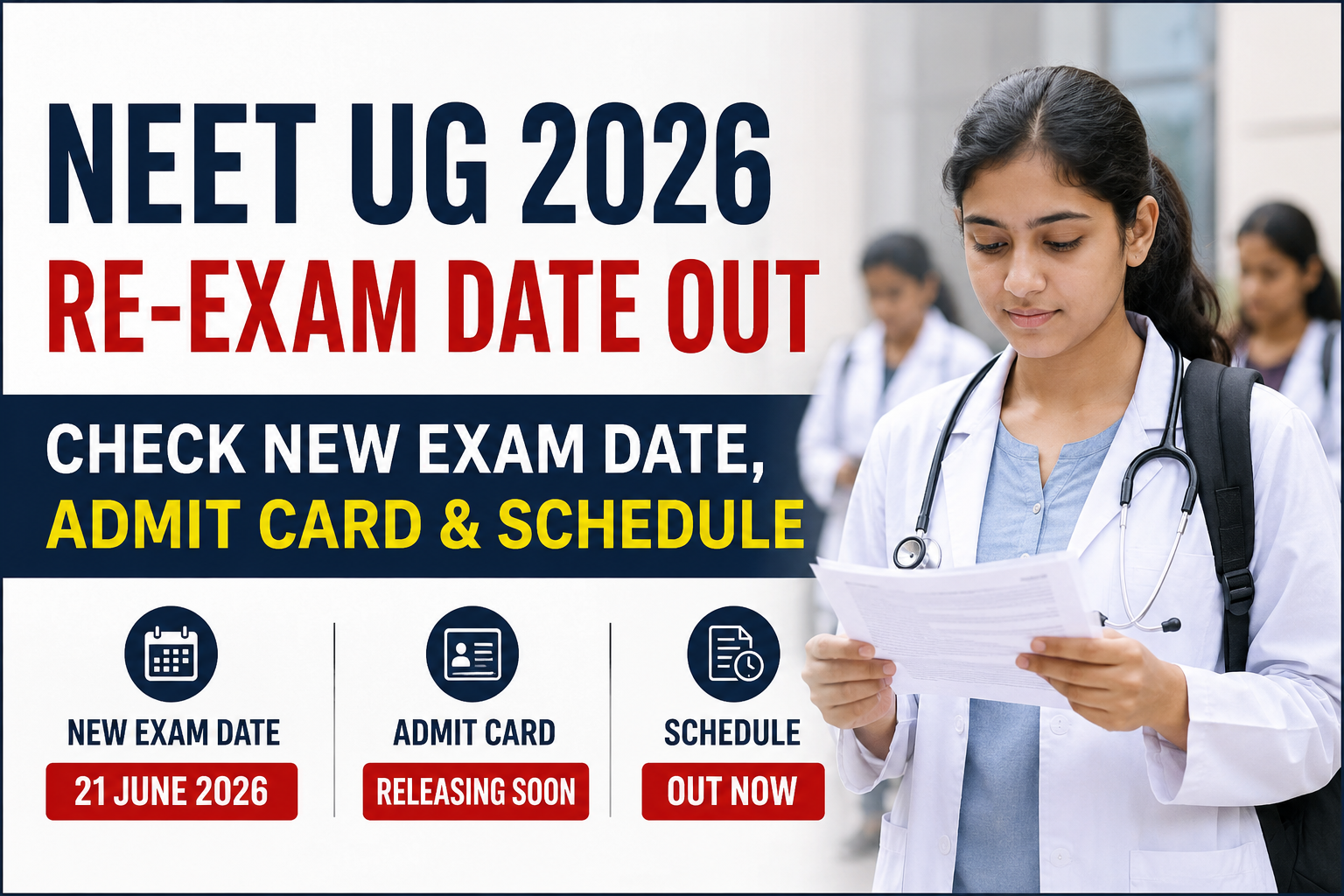
NEET UG 2026 Re-Exam Date Announced: Check New Exam Date, Schedule & Latest Updates
NEW
Understanding the SSC Phase 14 Exam: A Comprehensive Overview
NEW
Top Study Tips for Cracking Your Exams with Confidence
NEW
Aerospace Engineering: Scope, Courses & Career Opportunities
NEW
SSC CHSL Syllabus
NEW
EPFO 3.0 is Here: 7 Major Changes Every Employee Must Know
NEW
Indian Army Salary Structure
NEW
Java Interview Questions
NEW
SSC CHSL 2025: Revised Exam Dates, Important Instructions & Study Strategy
NEW
How to Prepare for SSC CGL in 3 Months
NEW.png)