Algorithms MCQ
Our website offers a collection of Algorithms MCQs to help learners practice and understand important computer science concepts. The questions cover topics like sorting, searching, recursion, dynamic programming, graph theory, and complexity analysis. Each MCQ is made to test knowledge and improve problem-solving skills. Clear explanations are provided with answers so learners can easily understand their mistakes. This platform is helpful for students, professionals, and interview candidates, making algorithm preparation easier and more effective.
Q1. Which of the following is the time complexity of binary search algorithm?
📘 View ExplanationQ2. Which sorting algorithm has the best average case time complexity?
📘 View ExplanationQ3. In a graph, which traversal technique uses a queue?
📘 View ExplanationQ4. Which data structure is used in a recursive function call?
📘 View ExplanationQ5. Which sorting algorithm has the best average-case performance?
📘 View ExplanationQ6. What is the time complexity of binary search algorithm?
📘 View ExplanationQ7. Dijkstra’s algorithm is used to solve:
📘 View ExplanationQ8. Which data structure is used in Depth First Search (DFS)?
📘 View ExplanationQ9. Which of the following has the worst-case time complexity O(n^2)?
📘 View ExplanationQ10. What is the space complexity of Merge Sort?
📘 View ExplanationQ11. Which algorithm is commonly used for finding Minimum Spanning Tree?
📘 View ExplanationQ12. Which searching algorithm is best for unsorted data?
📘 View ExplanationQ13. What is the time complexity of Heap Sort?
📘 View ExplanationQ14. The Knuth-Morris-Pratt (KMP) algorithm is used for:
📘 View ExplanationQ15. Which traversal is used in Breadth First Search (BFS)?
📘 View ExplanationQ16. Which algorithm is used for solving the all-pairs shortest path problem?
📘 View ExplanationQ17. Which of the following problems is NP-complete?
📘 View ExplanationQ18. Which sorting algorithm is stable?
📘 View ExplanationQ19. Which algorithm is used in operating systems for deadlock detection?
📘 View ExplanationQ20. What is the best-case time complexity of Quick Sort?
📘 View ExplanationQ21. Which graph traversal guarantees finding the shortest path in an unweighted graph?
📘 View ExplanationQ22. What is the recurrence relation for Merge Sort?
📘 View ExplanationQ23. Which algorithm uses dynamic programming to solve shortest path problems?
📘 View ExplanationQ24. Which of the following is a divide and conquer algorithm?
📘 View ExplanationQ25. Are algorithms Artificial Intelligence?
📘 View ExplanationQ26. Can algorithms perform logical operations?
📘 View ExplanationQ27. How do algorithms work?
📘 View ExplanationQ28. Are algorithms and data structures hard to learn?
📘 View ExplanationQ29. What does the term “algorithm” mean?
📘 View ExplanationQ30. Which of the following algorithms will run in constant time?
📘 View ExplanationQ31. Where are algorithms found?
📘 View ExplanationQ32. Which sorting algorithm is most commonly used?
📘 View ExplanationQ33. Which algorithm can help ensure data integrity?
📘 View ExplanationQ34. Who are algorithms primarily created for?
📘 View ExplanationQ35. Why are algorithms called algorithms?
📘 View Explanation
NEW
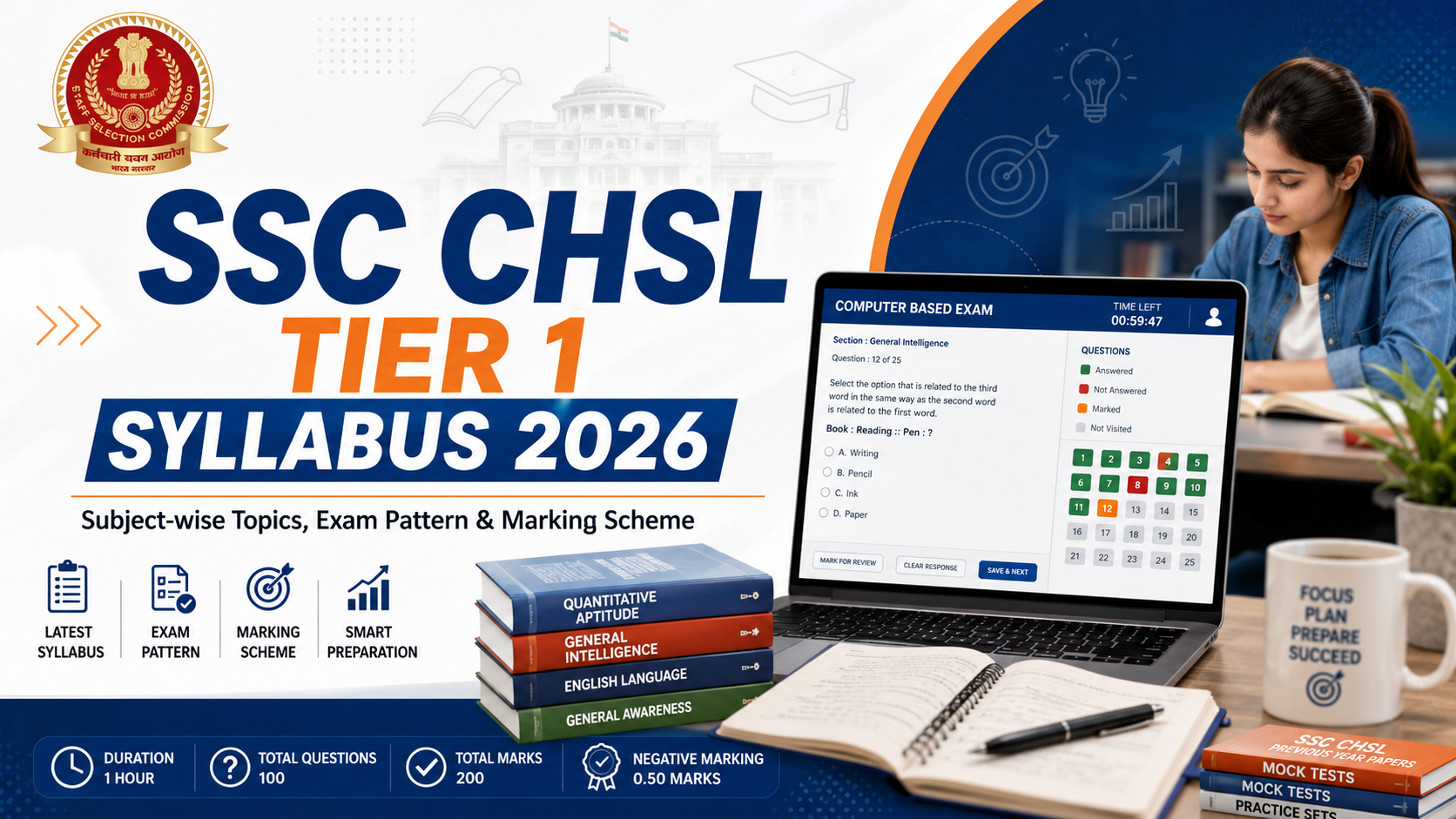







SSC CHSL Tier 1 Syllabus 2026
NEW
AngularJS Interview Questions and Answers
NEW
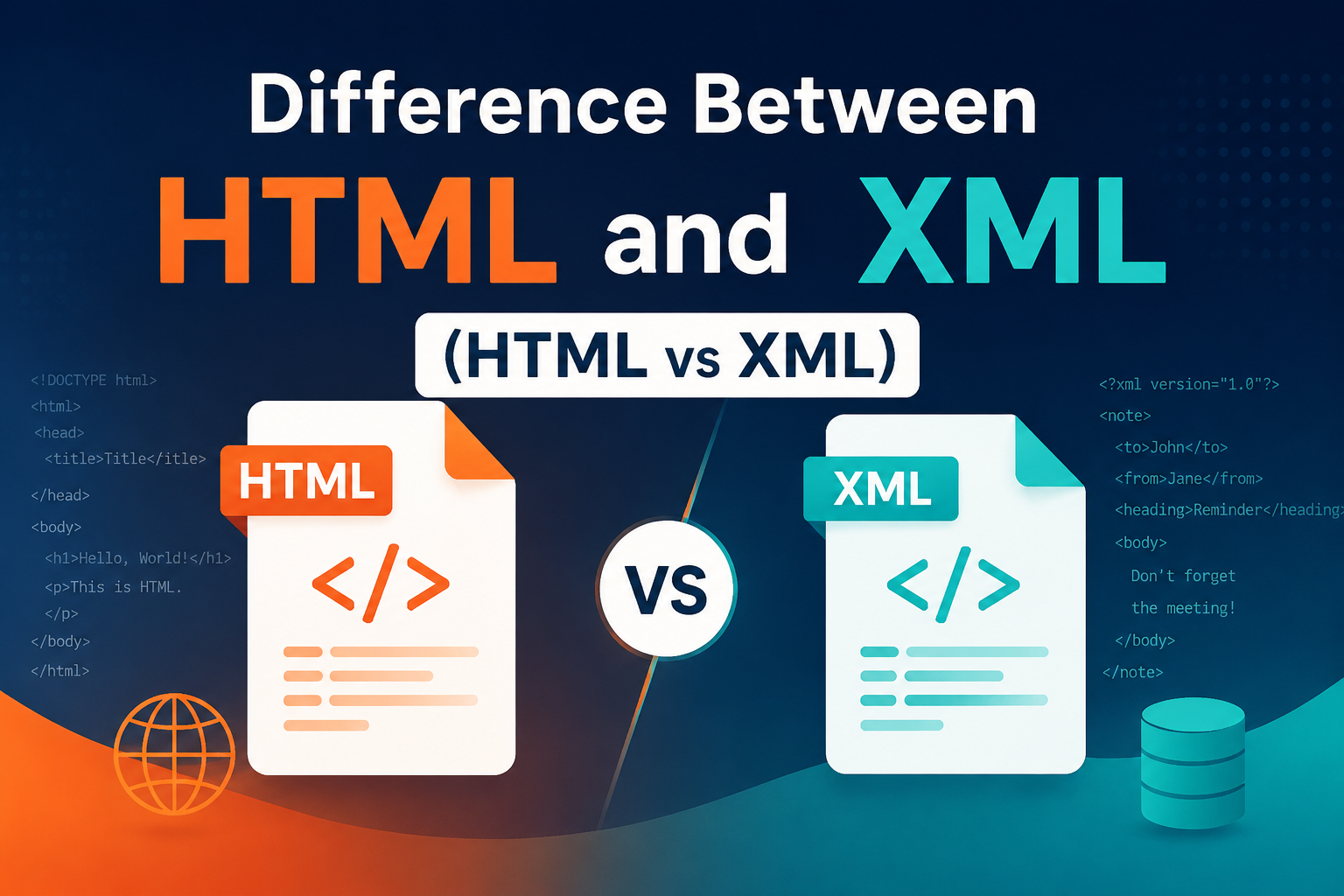
Difference Between HTML and XML (HTML vs XML)
NEW
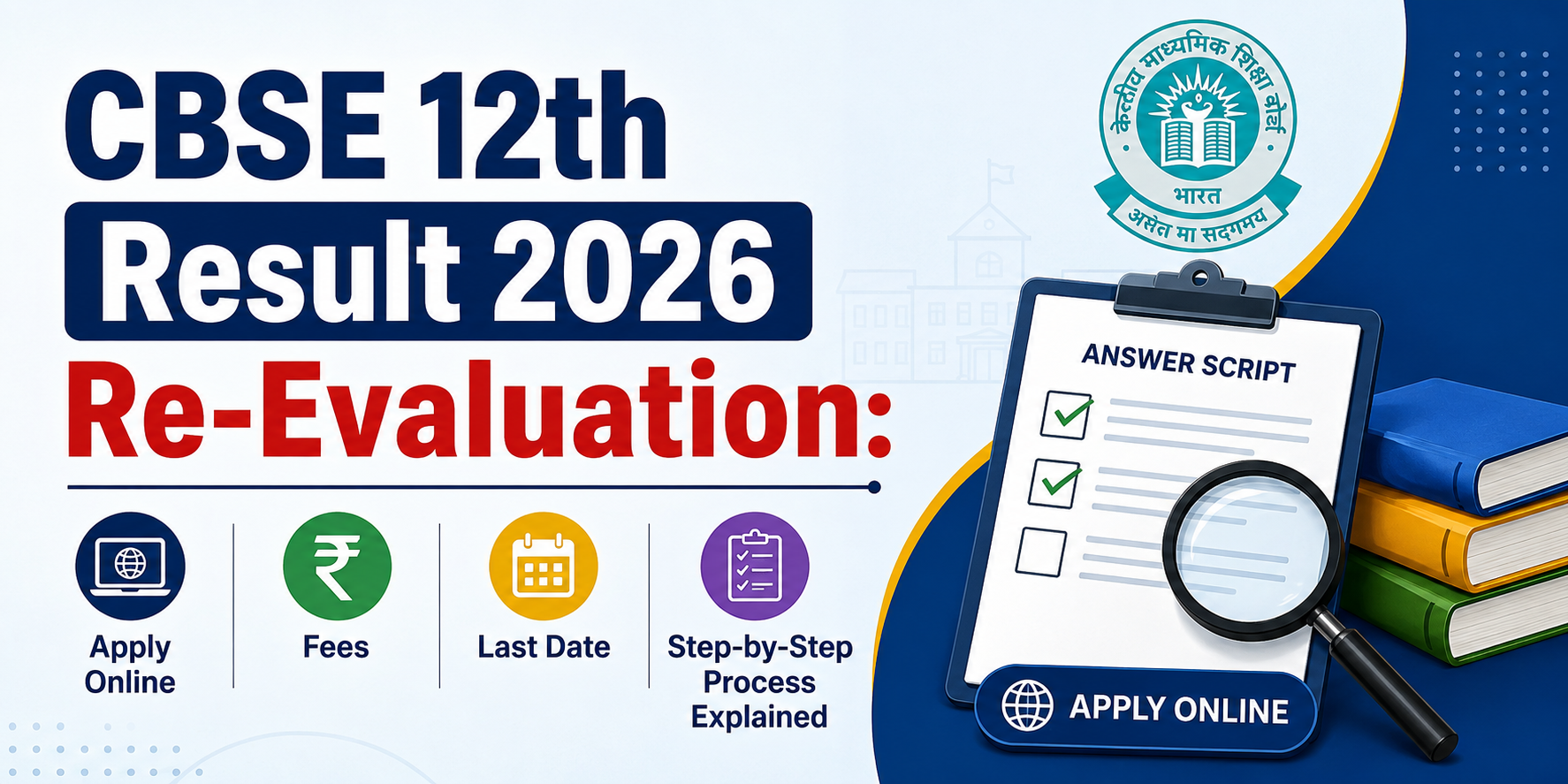
CBSE 12th Result 2026 Re-Evaluation: Apply Online, Fees, Last Date & Step-by-Step Process Explained
NEW
NEET UG 2026 Re-Exam Date Announced: Check New Exam Date, Schedule & Latest Updates
NEW
Understanding the SSC Phase 14 Exam: A Comprehensive Overview
NEW
Top Study Tips for Cracking Your Exams with Confidence
NEW
Aerospace Engineering: Scope, Courses & Career Opportunities
NEW
SSC CHSL Syllabus
NEW
EPFO 3.0 is Here: 7 Major Changes Every Employee Must Know
NEW
Indian Army Salary Structure
NEW