Operating System MCQ
Operating System MCQ Questions are essential for anyone looking to deepen their understanding of core OS concepts. These multiple-choice questions cover key topics such as process management, memory management, file systems, concurrency, and security. Whether you are preparing for exams, technical interviews, or simply seeking to reinforce your knowledge, these MCQs will help you master the principles of operating systems. Perfect for students and professionals alike, these questions will enhance your problem-solving skills and provide a comprehensive understanding of OS functionality.
Q1. Which of the following is an example of an operating system?
📘 View ExplanationQ2. Which operating system is open source?
📘 View ExplanationQ3. The kernel of an OS is responsible for:
📘 View ExplanationQ4. Which scheduling algorithm gives priority to the process that arrives first?
📘 View ExplanationQ5. Which scheduling algorithm uses time quantum?
📘 View ExplanationQ6. What is the main function of device drivers?
📘 View ExplanationQ7. In OS, thrashing is related to:
📘 View ExplanationQ8. Which of the following is NOT an OS?
📘 View ExplanationQ9. Which memory is non-volatile and stores the OS permanently?
📘 View ExplanationQ10. What does multitasking mean in operating systems?
📘 View ExplanationQ11. Which operating system is mainly used in mobile devices?
📘 View ExplanationQ12. Which type of OS is used in real-time applications?
📘 View ExplanationQ13. Which command is used in Linux to list files?
📘 View ExplanationQ14. Which part of the OS manages file storage and retrieval?
📘 View ExplanationQ15. Which system call creates a new process in Unix/Linux?
📘 View ExplanationQ16. What is a deadlock in OS?
📘 View ExplanationQ17. Which memory management technique divides memory into fixed-size blocks?
📘 View ExplanationQ18. Which file system is commonly used in Windows?
📘 View ExplanationQ19. Which OS feature allows multiple users to use the same computer at the same time?
📘 View ExplanationQ20. Which of these is a Linux distribution?
📘 View Explanation
NEW
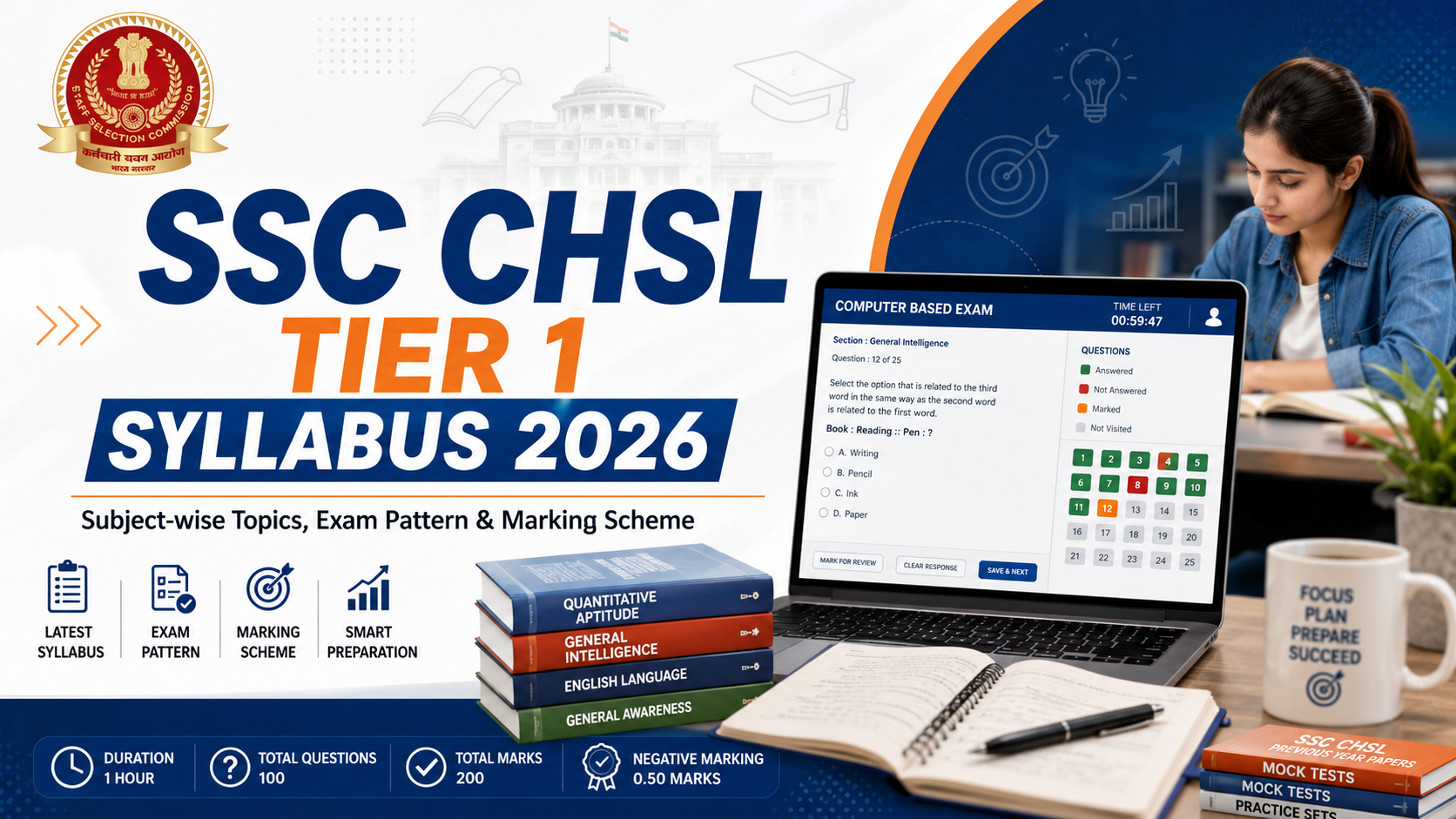






SSC CHSL Tier 1 Syllabus 2026
NEW
AngularJS Interview Questions and Answers
NEW
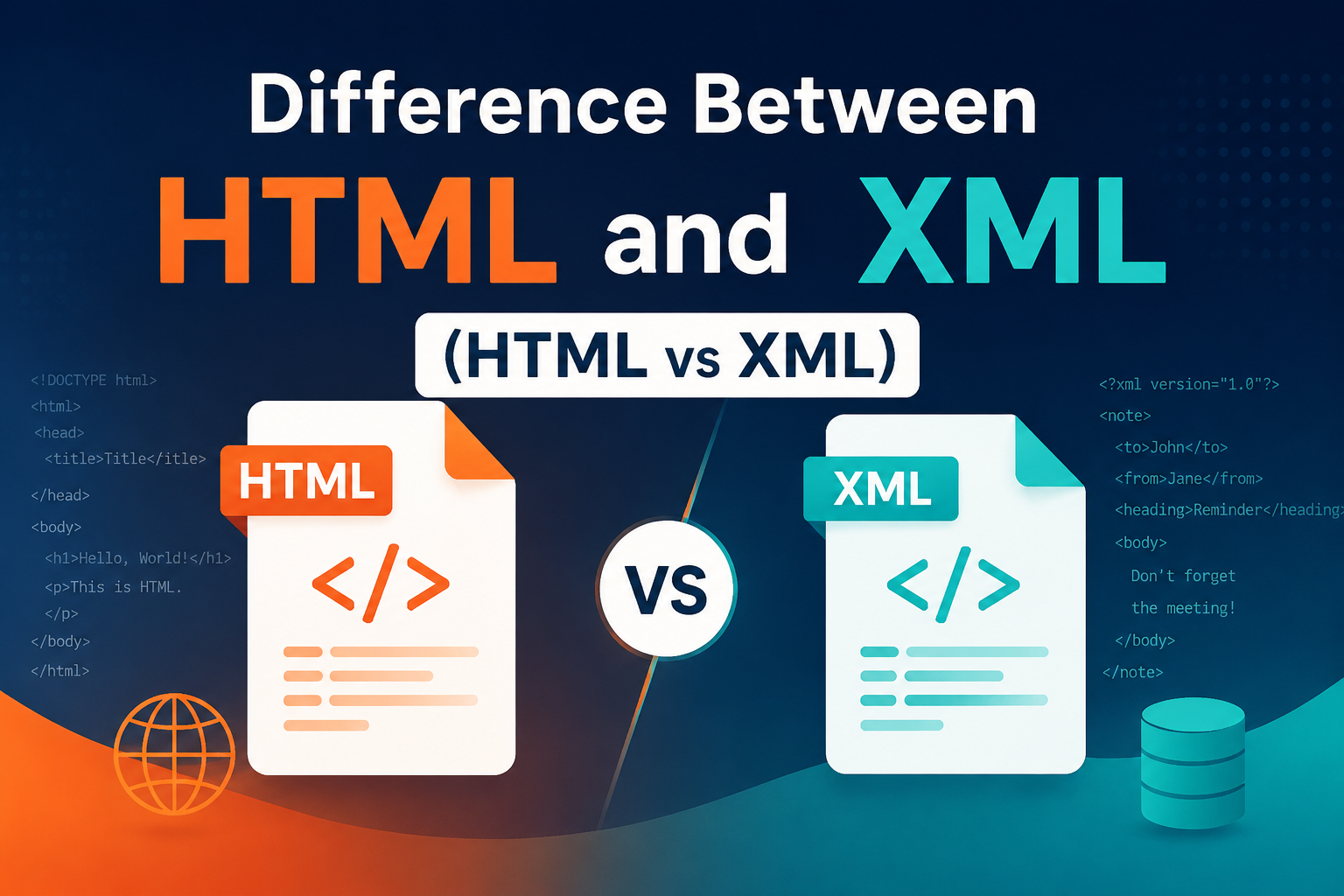
Difference Between HTML and XML (HTML vs XML)
NEW
CBSE 12th Result 2026 Re-Evaluation: Apply Online, Fees, Last Date & Step-by-Step Process Explained
NEW
NEET UG 2026 Re-Exam Date Announced: Check New Exam Date, Schedule & Latest Updates
NEW
Understanding the SSC Phase 14 Exam: A Comprehensive Overview
NEW
Top Study Tips for Cracking Your Exams with Confidence
NEW
Aerospace Engineering: Scope, Courses & Career Opportunities
NEW
SSC CHSL Syllabus
NEW
EPFO 3.0 is Here: 7 Major Changes Every Employee Must Know
NEW
Indian Army Salary Structure
NEW