D.El.Ed Entrance Exams MCQs with answers
D.El.Ed Entrance Exams focus on child development, pedagogy, reasoning, mathematics, language skills, and general awareness. This section provides syllabus-based notes, previous papers, and MCQs to help candidates prepare for elementary teacher training admissions.
Correct Answer: A
Q2. The primary goal of D.El.Ed program is to prepare?
Correct Answer: B
Q3. Which stage is covered under elementary education?
Correct Answer: A
Correct Answer: B
Q5. Which method promotes joyful learning?
Correct Answer: B
Q6. Which of the following is part of pedagogy?
Correct Answer: D
Q7. Continuous and Comprehensive Evaluation (CCE) emphasizes?
Correct Answer: B
Q8. Which psychologist proposed cognitive development theory?
Correct Answer: B
Q9. Learning by doing is emphasized in?
Correct Answer: A
Q10. Which is a student-centered method?
Correct Answer: B
Correct Answer: A
Q12. Diagnostic evaluation is used to?
Correct Answer: A
Q13. Formative evaluation is done?
Correct Answer: B
Q14. Summative evaluation is conducted?
Correct Answer: C
Q15. Which is essential for classroom management?
Correct Answer: B
Q16. The smallest unit of sound is called?
Correct Answer: B
Q17. Which skill is receptive?
Correct Answer: B
Q18. Inclusive education promotes?
Correct Answer: B
Q19. Which act ensures free and compulsory education?
Correct Answer: B
Q20. Who developed the operant conditioning theory?
Correct Answer: A
Correct Answer: B
Q22. Which teaching method is teacher-centered?
Correct Answer: B
Q23. Which learning domain includes physical skills?
Correct Answer: C
Q24. Which learning domain deals with feelings and emotions?
Correct Answer: B
Correct Answer: B
Q26. Which machine is used for displaying visuals?
Correct Answer: A
Q27. Child-centered education focuses on?
Correct Answer: B
Q28. Which activity promotes critical thinking?
Correct Answer: B
Q29. Micro-teaching focuses on?
Correct Answer: A
Q30. Which is the first step of lesson planning?
Correct Answer: B
Q31. Which tool measures intelligence?
Correct Answer: A
Q32. Which learning theory emphasizes social interaction?
Correct Answer: B
Q33. Play-way method is suitable for?
Correct Answer: B
Q34. Which material is an audio aid?
Correct Answer: B
Q35. Which material is a visual aid?
Correct Answer: B
Q36. Which is NOT a quality of a good teacher?
Correct Answer: C
Q37. Which factor improves learning?
Correct Answer: A
Q38. Which learning style prefers hands-on activities?
Correct Answer: C
Q39. Who is known as the father of modern education?
Correct Answer: B
Latest Blogs
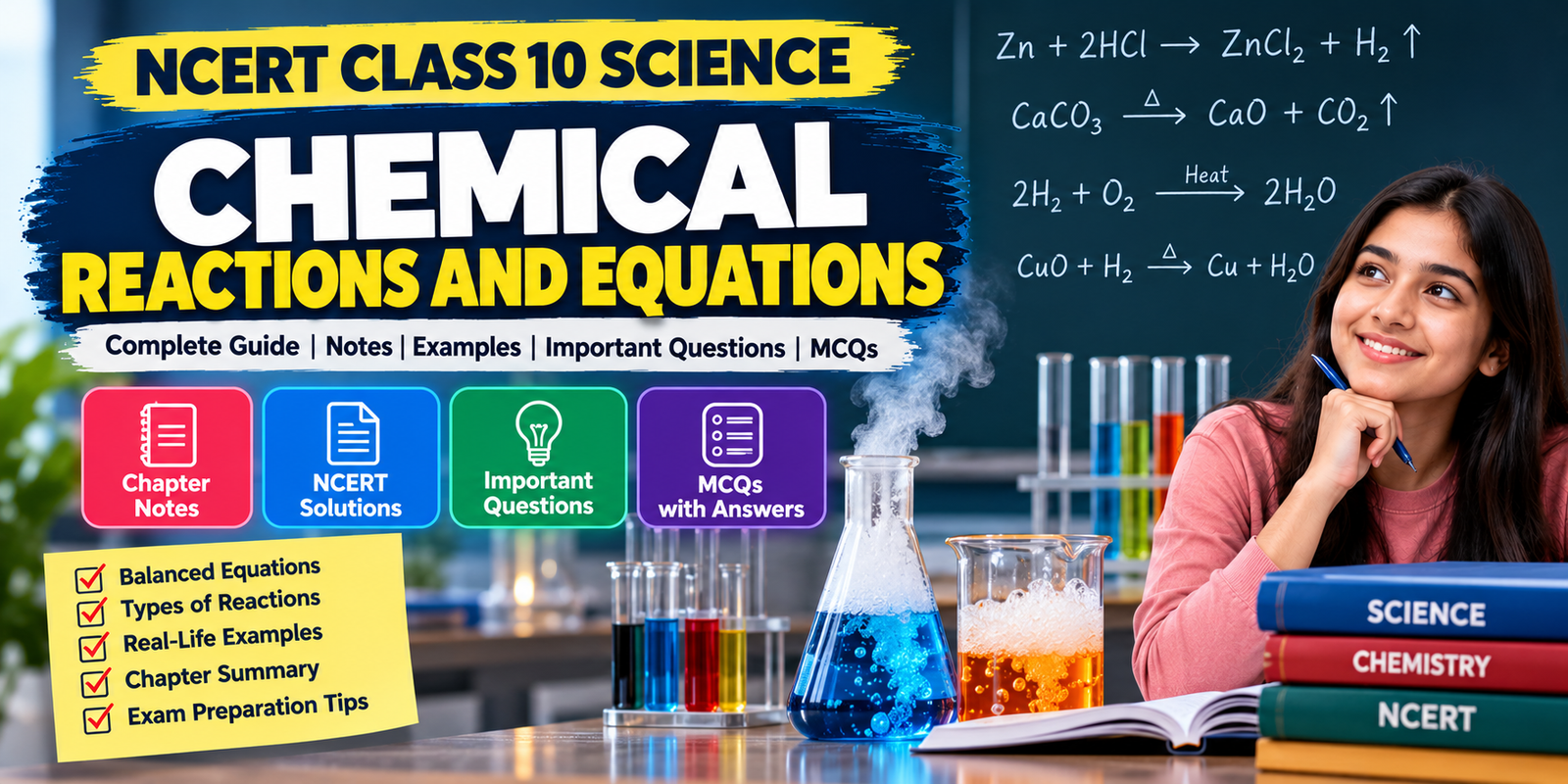
NCERT Class 10 Science: Chemical Reactions and Equations – Notes, Questions and Answers
NEW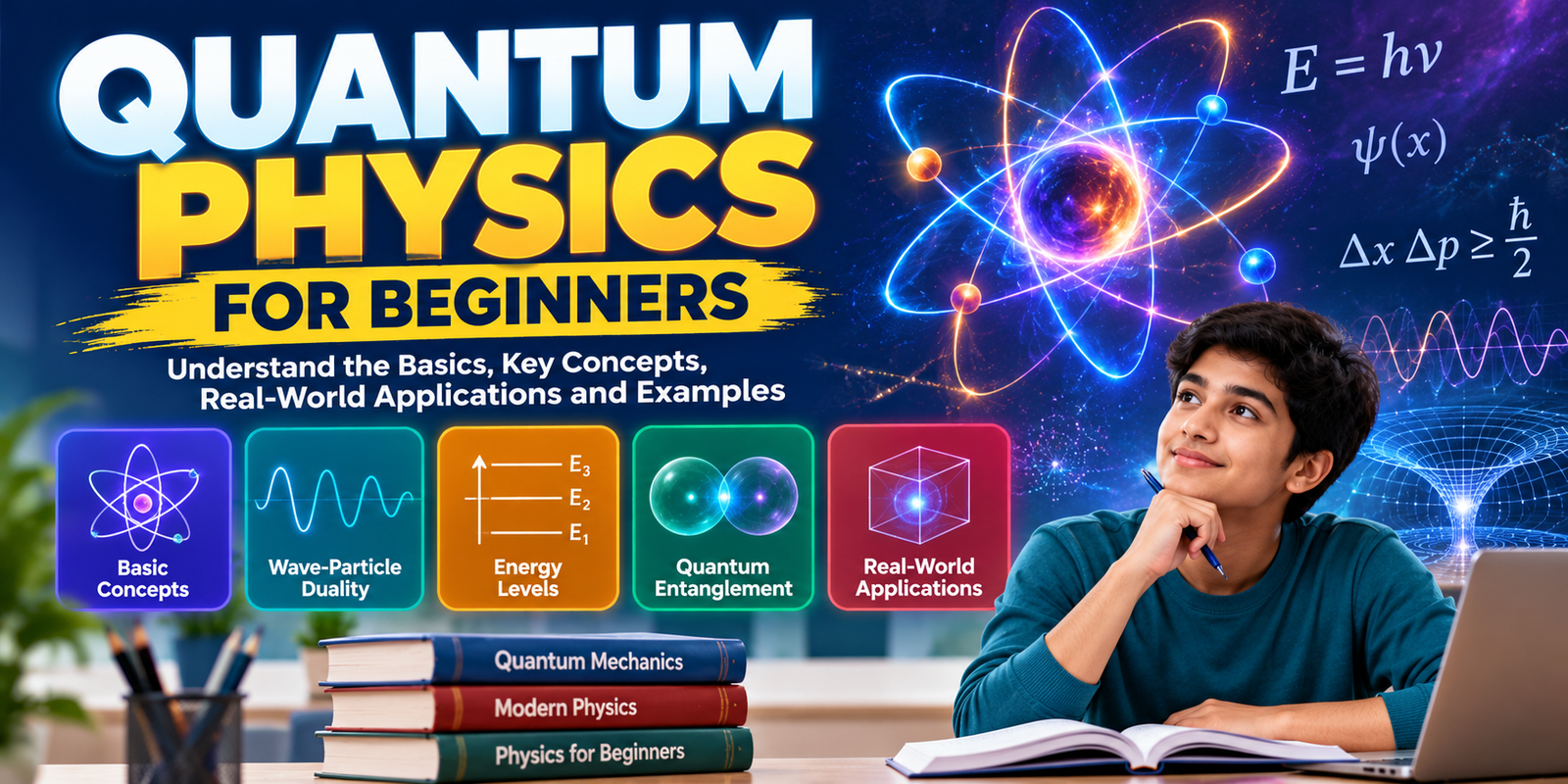
Quantum Physics for Beginners: A Simple Guide to Key Concepts, Examples and Applications
NEW
Top 20 Social Bookmarking Websites with High DA, PA and Low Spam Score
NEW
CBSE 2027 Exam Timetable Updates: Class 10 & 12 Date Sheet
NEW
Chemical Reactions and Equations Class 10 Important Questions and Answers
NEW
NCERT Solutions for Class 10 Science – Chapter-Wise Guide and Exam Preparation
NEW
SSC Exam Preparation: Complete Guide for Beginners
NEW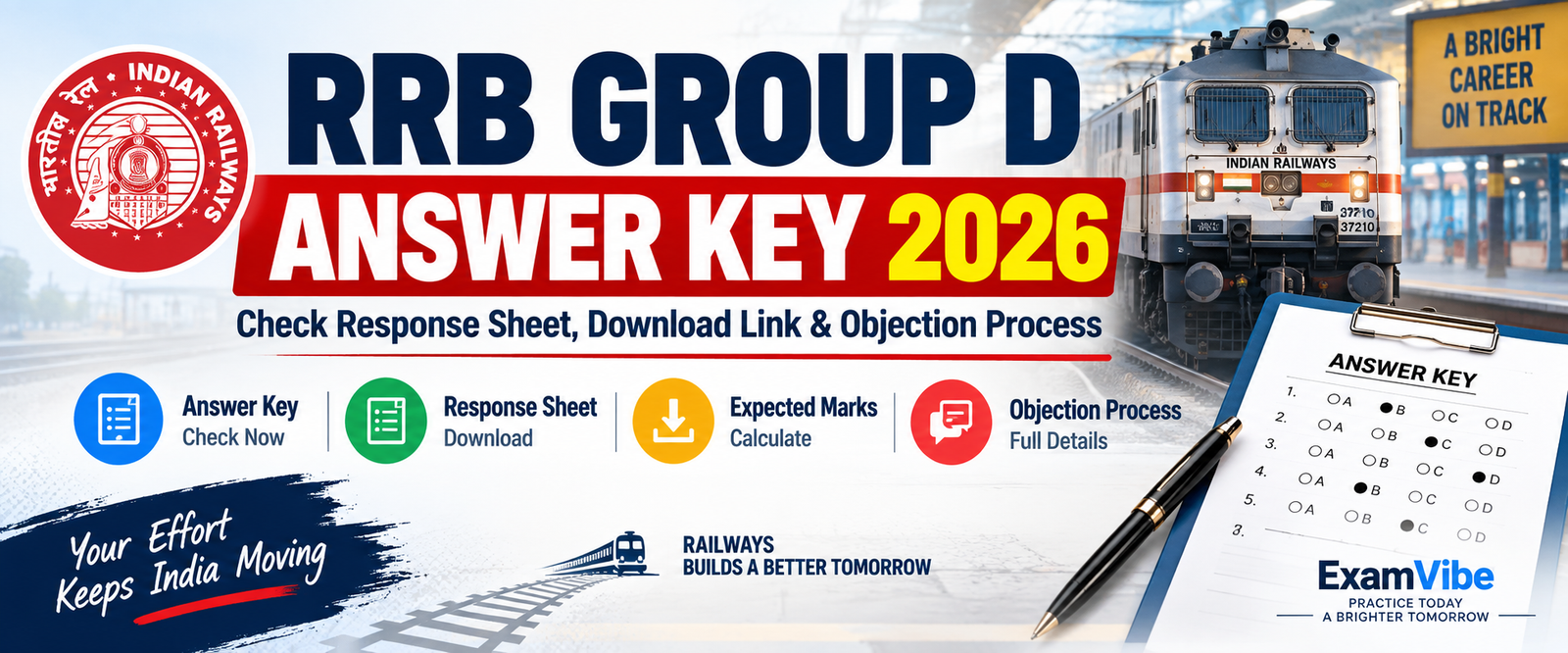
RRB Group D Answer Key 2026 Out: Check Response Sheet & Objection
NEW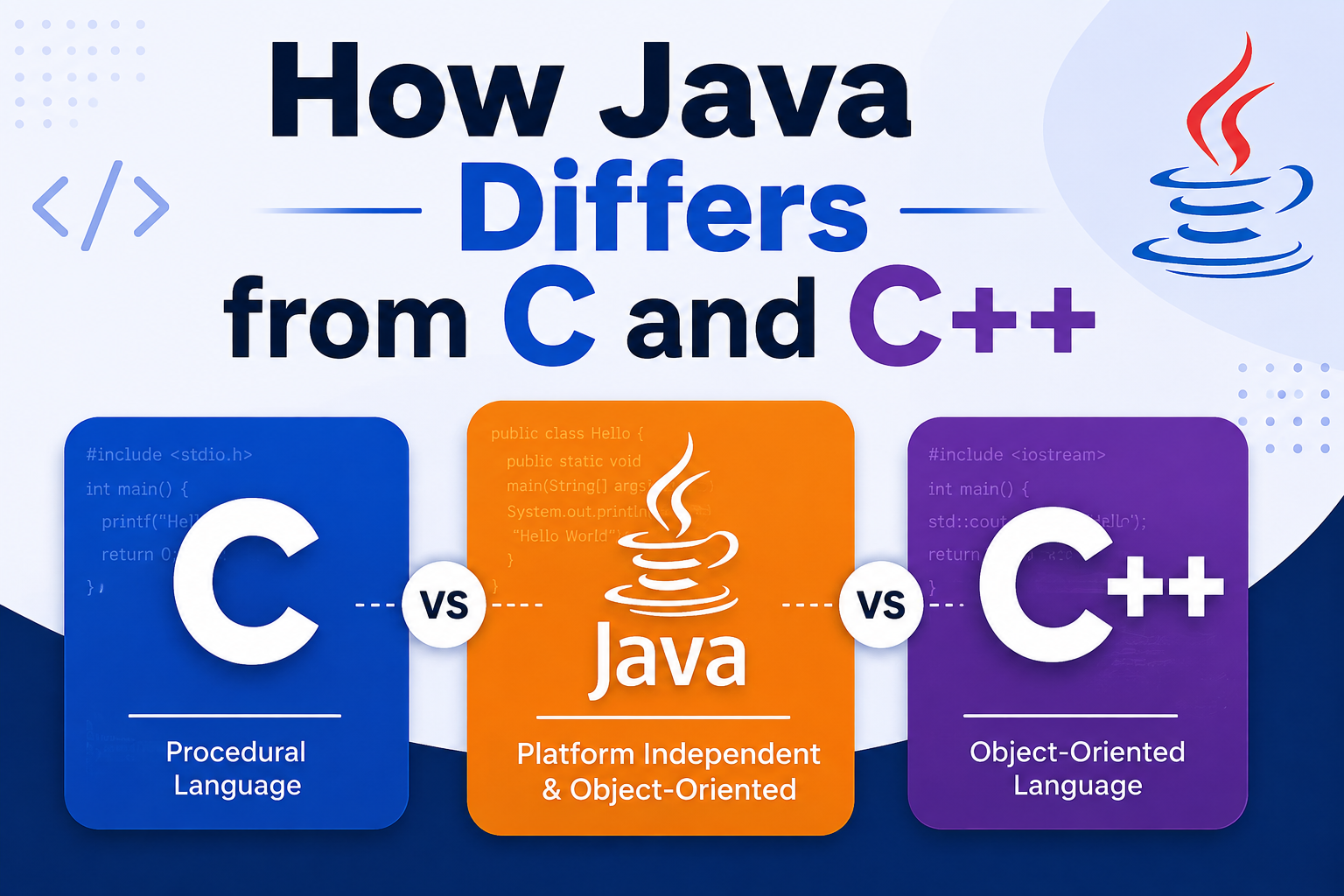
How Java Differs from C and C++
NEW
RRB Group D CBT-1 Exam Date 2026 Out: Check Exam Schedule, Vacancy, Eligibility & Latest Updates
NEW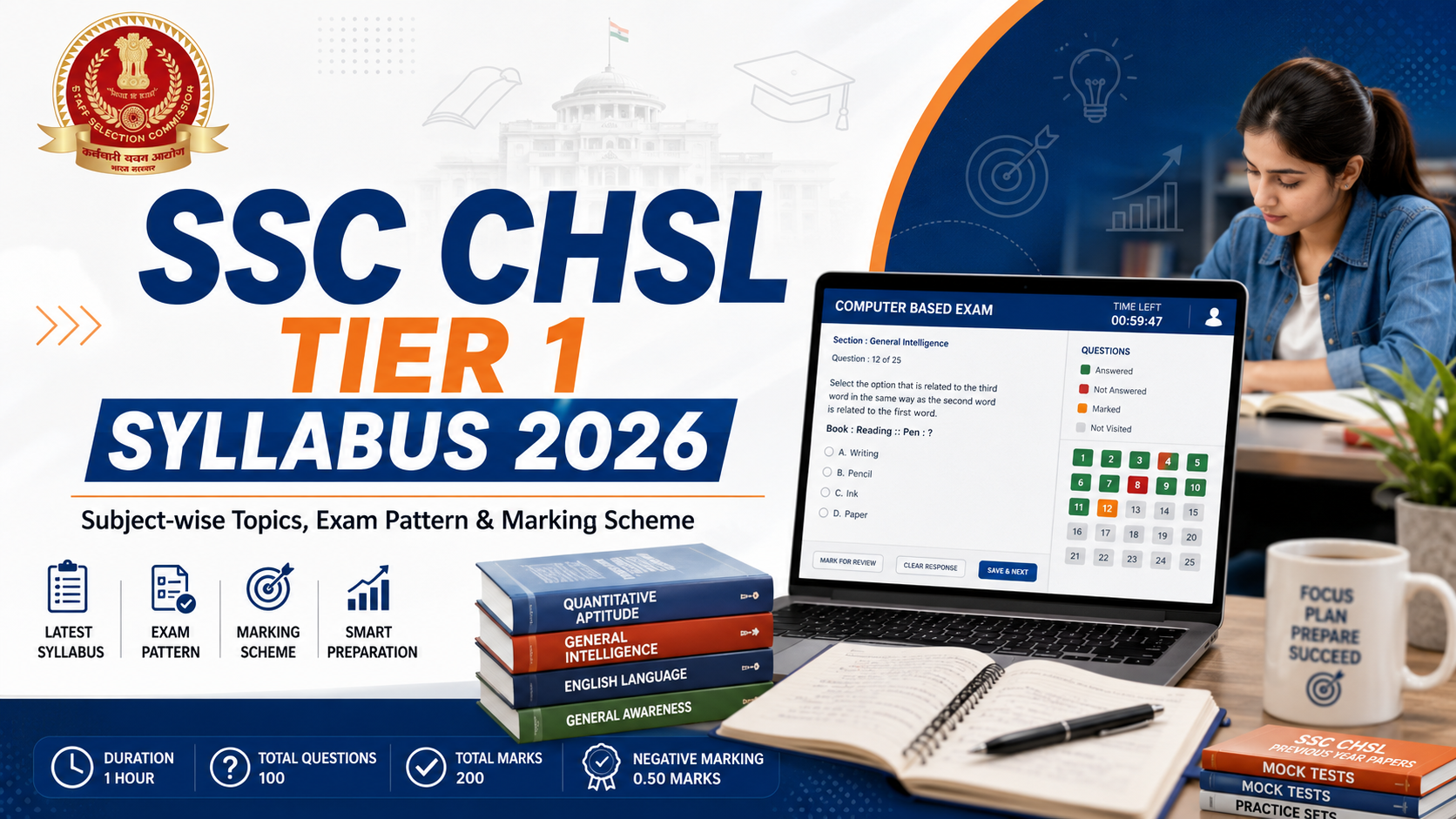
SSC CHSL Tier 1 Syllabus 2026
NEW