CTET - Central Teacher Eligibility Test
CTET (Central Teacher Eligibility Test) includes Paper 1 & 2 focusing on Child Development & Pedagogy, Mathematics, EVS, Languages, and Subject Pedagogy. This section provides syllabus, notes, PYQs, and MCQs to help candidates prepare effectively for CTET certification.
Correct Answer: B
Q2. The main objective of CTET is to?
Correct Answer: B
Q3. CTET Paper 1 is for which level?
Correct Answer: A
Correct Answer: B
Q5. Which act made CTET compulsory?
Correct Answer: A
Correct Answer: A
Correct Answer: B
Q8. Which of the following is a student-centered method?
Correct Answer: B
Q9. Constructivism focuses on?
Correct Answer: B
Q10. Operant conditioning theory was given by?
Correct Answer: B
Q11. Piaget's theory is related to?
Correct Answer: A
Correct Answer: A
Correct Answer: B
Q14. Which is a receptive skill?
Correct Answer: C
Q15. Which of the following is a productive skill?
Correct Answer: C
Q16. Child-centered education focuses on?
Correct Answer: B
Q17. Which of these is a teaching aid?
Correct Answer: B
Q18. What is the first step of lesson planning?
Correct Answer: B
Q19. Micro-teaching is used to?
Correct Answer: A
Correct Answer: B
Q21. Which learning theory emphasizes social interaction?
Correct Answer: B
Q22. Kohlberg proposed the theory of?
Correct Answer: B
Q23. Which method improves speaking skills?
Correct Answer: B
Q24. Phoneme is?
Correct Answer: B
Q25. Morpheme is?
Correct Answer: B
Q26. Which evaluation is done during teaching?
Correct Answer: B
Q27. Which evaluation is done at the end of term?
Correct Answer: C
Q28. Bloom's taxonomy is used to?
Correct Answer: A
Q29. Classroom management means?
Correct Answer: B
Q30. Scaffolding means?
Correct Answer: B
Q31. Which method develops critical thinking?
Correct Answer: B
Q32. Inclusive education means?
Correct Answer: B
Correct Answer: B
Q34. Which method enhances vocabulary?
Correct Answer: B
Q35. Which is a non-verbal communication?
Correct Answer: C
Correct Answer: A
Correct Answer: B
Q38. CTET certificate validity is?
Correct Answer: C
Q39. Observation is a tool used in?
Correct Answer: B
Latest Blogs

CBSE 2027 Exam Timetable Updates: Class 10 & 12 Date Sheet
NEW
Chemical Reactions and Equations Class 10 Important Questions and Answers
NEW
NCERT Solutions for Class 10 Science – Chapter-Wise Guide and Exam Preparation
NEW
SSC Exam Preparation: Complete Guide for Beginners
NEW
RRB Group D Answer Key 2026 Out: Check Response Sheet & Objection
NEW
How Java Differs from C and C++
NEW
RRB Group D CBT-1 Exam Date 2026 Out: Check Exam Schedule, Vacancy, Eligibility & Latest Updates
NEW
SSC CHSL Tier 1 Syllabus 2026
NEW
AngularJS Interview Questions and Answers
NEW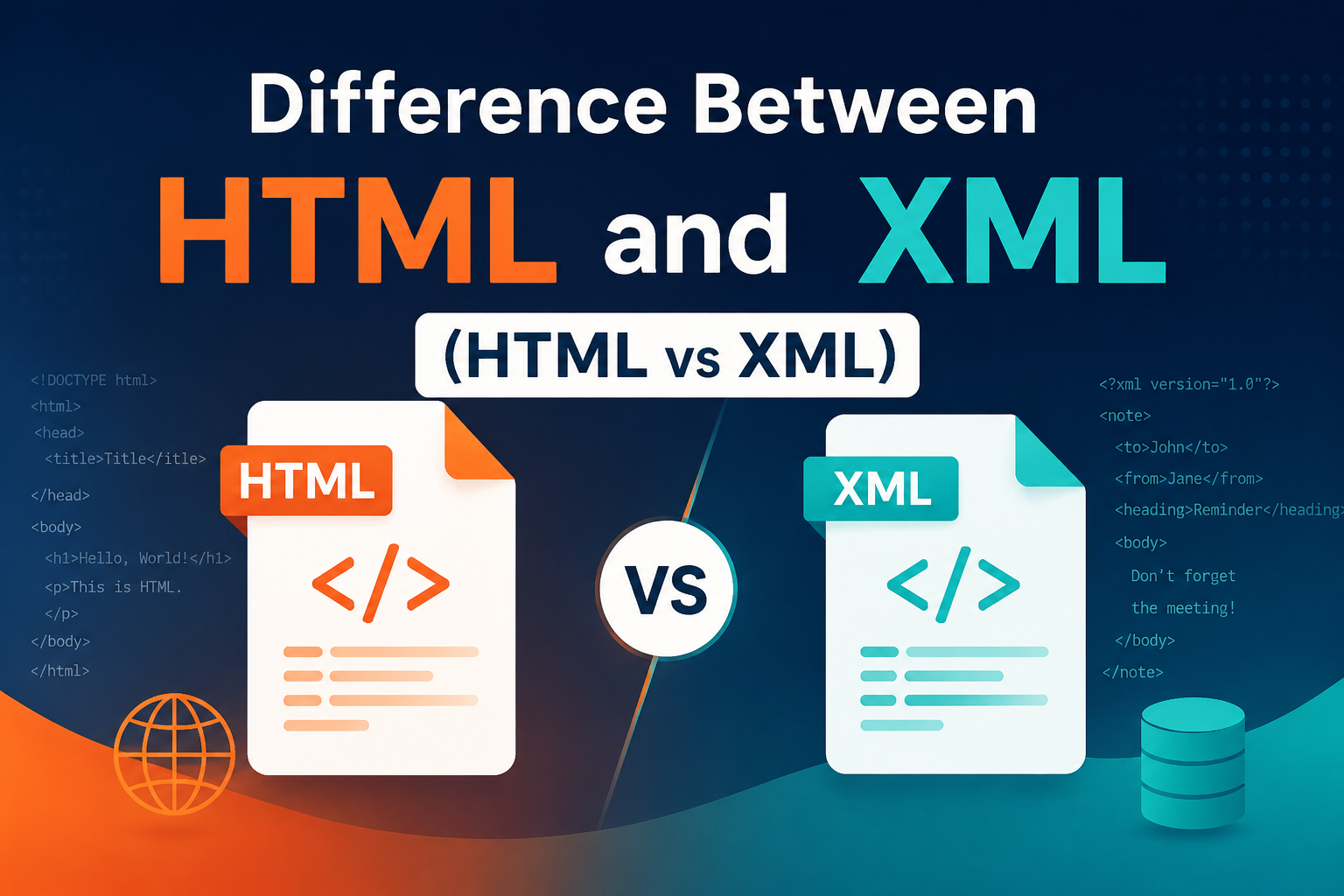
Difference Between HTML and XML (HTML vs XML)
NEW
CBSE 12th Result 2026 Re-Evaluation: Apply Online, Fees, Last Date & Step-by-Step Process Explained
NEW