Language Teacher Exams
Language Teacher Exams MCQs include grammar, comprehension, vocabulary, linguistics, pedagogy, and teaching methodology for English, Hindi, and regional languages. These objective questions help candidates prepare for TGT, PGT, PRT, and other language teacher recruitment exams.
Q1. Phonetics is the study of?
📘 View ExplanationQ2. Semantics refers to?
📘 View ExplanationQ3. Morphology is concerned with?
📘 View ExplanationQ4. Syntax refers to?
📘 View ExplanationQ5. Pragmatics deals with?
📘 View ExplanationQ6. Which skill is receptive?
📘 View ExplanationQ7. Which is a productive skill?
📘 View ExplanationQ8. Bilingualism means?
📘 View ExplanationQ9. The smallest unit of sound is?
📘 View ExplanationQ10. The smallest unit of meaning is?
📘 View ExplanationQ11. Direct method of teaching focuses on?
📘 View ExplanationQ12. Grammar-Translation method emphasizes?
📘 View ExplanationQ13. Communicative Language Teaching (CLT) focuses on?
📘 View ExplanationQ14. Language Acquisition means?
📘 View ExplanationQ15. Language Learning means?
📘 View ExplanationQ16. L1 refers to?
📘 View ExplanationQ17. L2 refers to?
📘 View ExplanationQ18. Listening comprehension improves through?
📘 View ExplanationQ19. Extensive reading helps in?
📘 View ExplanationQ20. Intonation refers to?
📘 View ExplanationQ21. Stress in language refers to?
📘 View ExplanationQ22. Which of the following is an authentic material?
📘 View ExplanationQ23. Remedial teaching helps?
📘 View ExplanationQ24. A dictionary is used for?
📘 View ExplanationQ25. Contextual meaning depends on?
📘 View ExplanationQ26. A language register refers to?
📘 View ExplanationQ27. Code-switching means?
📘 View ExplanationQ28. Language proficiency means?
📘 View ExplanationQ29. A phonetic transcription represents?
📘 View ExplanationQ30. Scanning in reading means?
📘 View ExplanationQ31. Skimming means?
📘 View ExplanationQ32. Which method improves speaking skills?
📘 View ExplanationQ33. Writing skills improve through?
📘 View ExplanationQ34. Communicative competence includes?
📘 View ExplanationQ35. Language is primarily a?
📘 View ExplanationQ36. A clause contains?
📘 View ExplanationQ37. A sentence must contain?
📘 View ExplanationQ38. Dialect is a?
📘 View ExplanationQ39. A language textbook must be?
📘 View ExplanationLatest Blogs
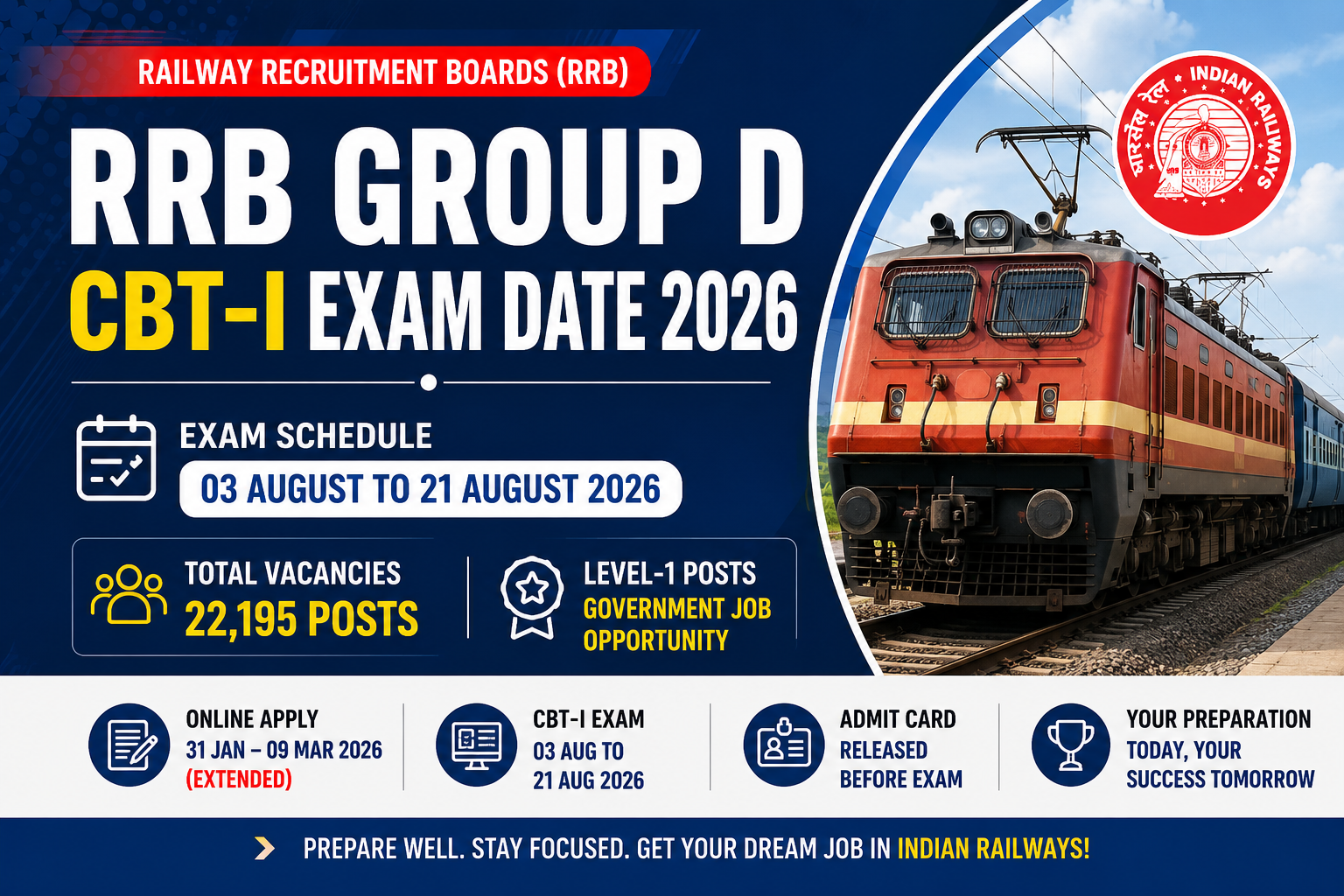
RRB Group D CBT-1 Exam Date 2026 Out: Check Exam Schedule, Vacancy, Eligibility & Latest Updates
NEW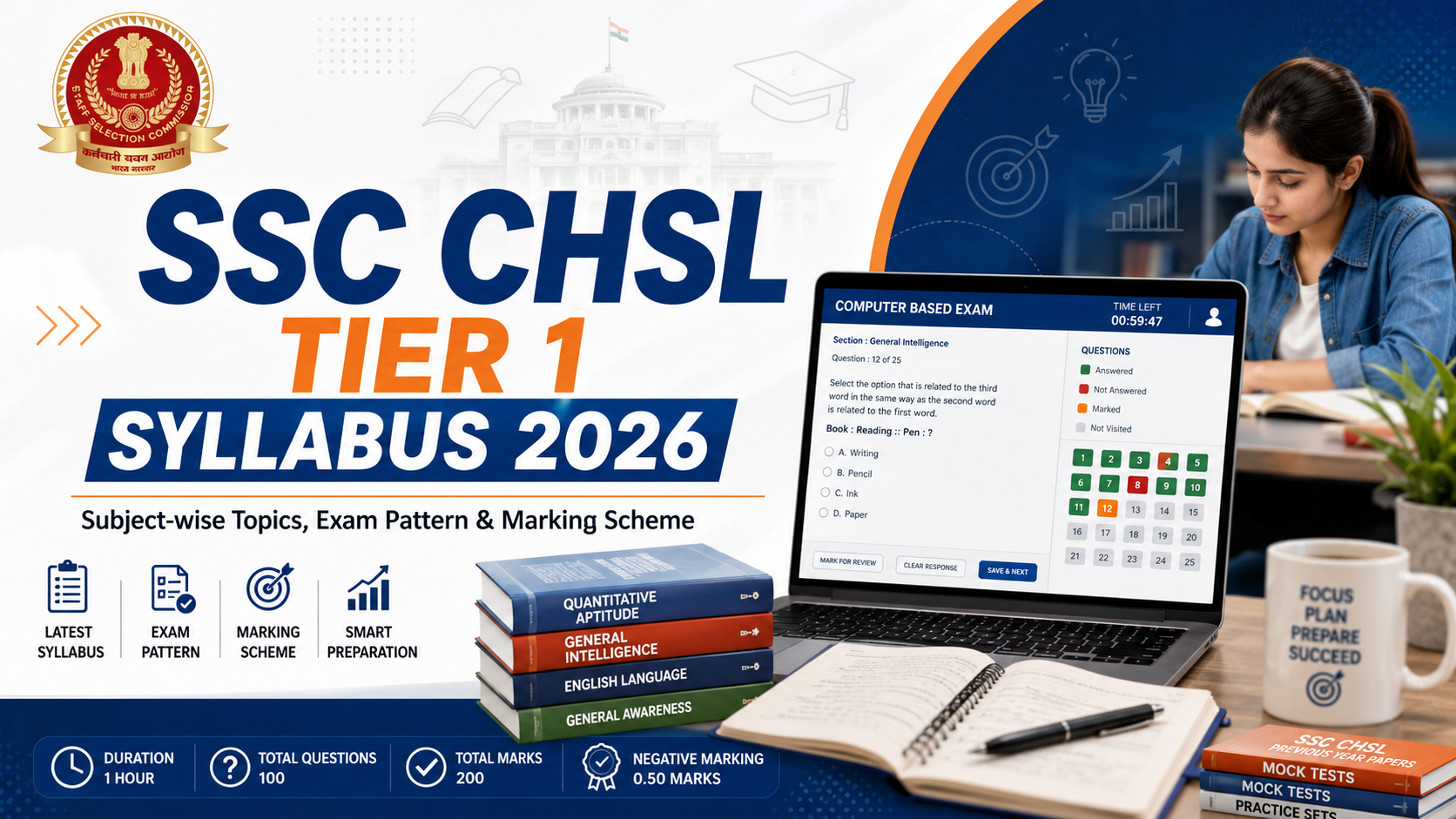
SSC CHSL Tier 1 Syllabus 2026
NEW
AngularJS Interview Questions and Answers
NEW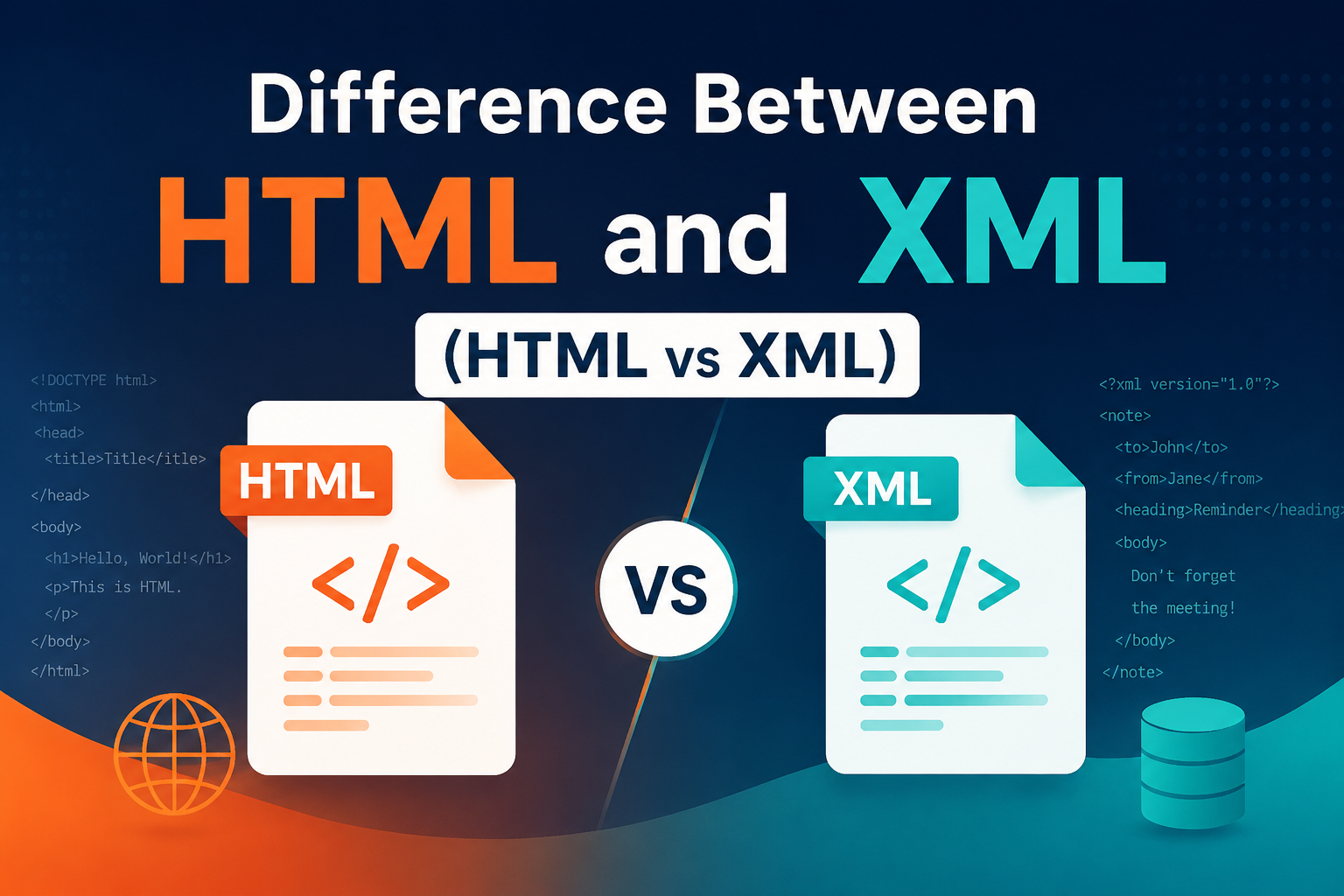
Difference Between HTML and XML (HTML vs XML)
NEW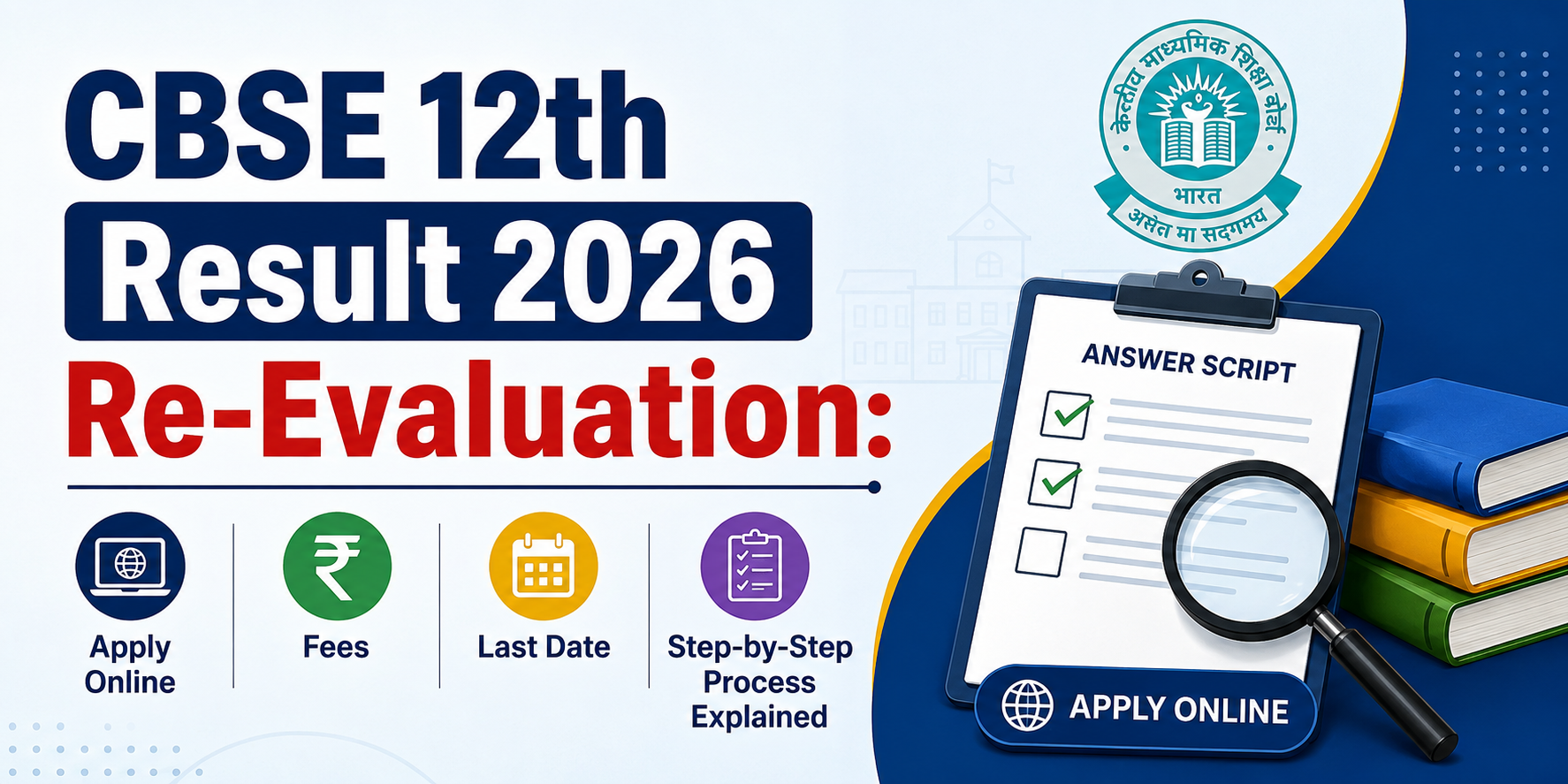
CBSE 12th Result 2026 Re-Evaluation: Apply Online, Fees, Last Date & Step-by-Step Process Explained
NEW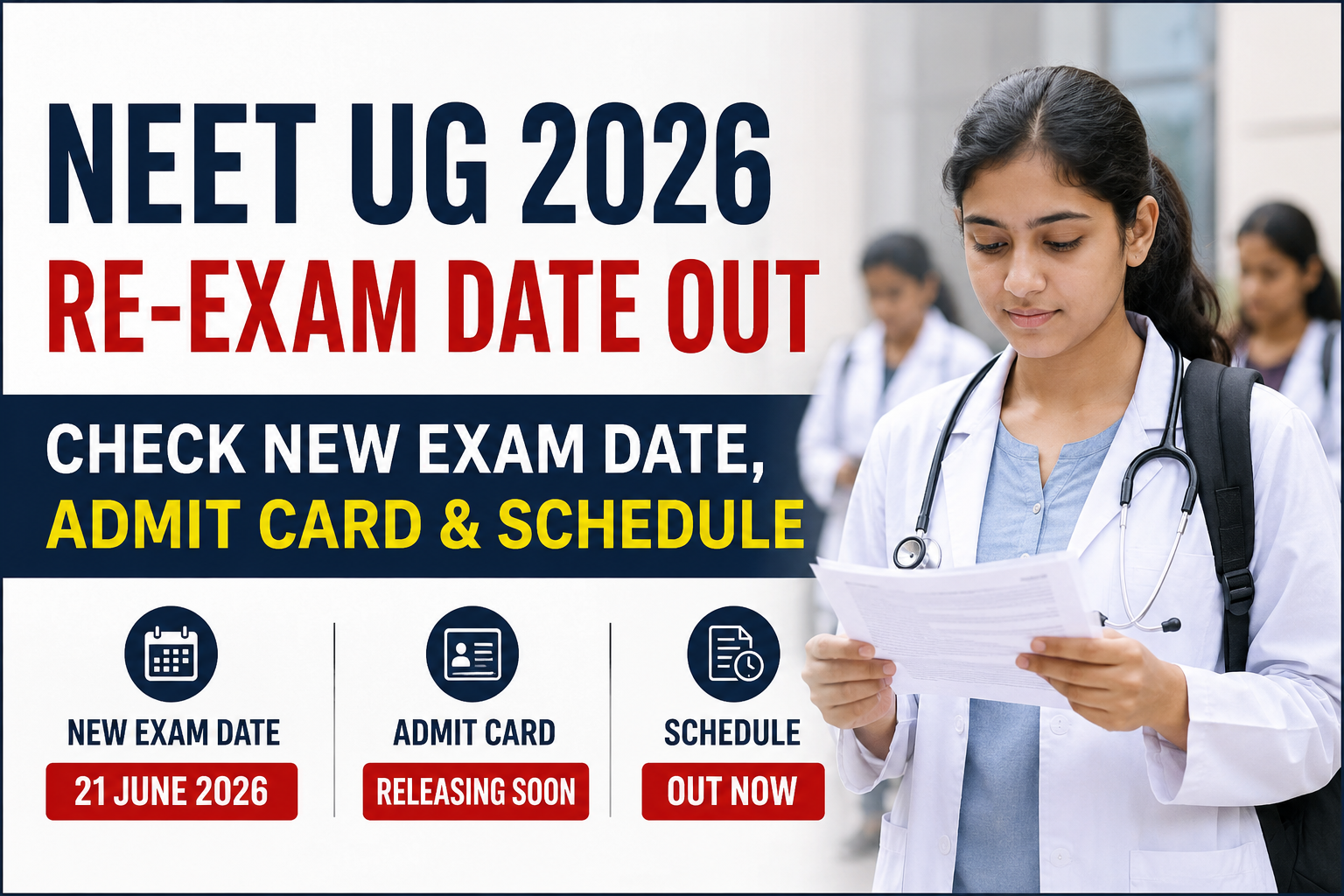
NEET UG 2026 Re-Exam Date Announced: Check New Exam Date, Schedule & Latest Updates
NEW
Understanding the SSC Phase 14 Exam: A Comprehensive Overview
NEW
Top Study Tips for Cracking Your Exams with Confidence
NEW
Aerospace Engineering: Scope, Courses & Career Opportunities
NEW
SSC CHSL Syllabus
NEW
EPFO 3.0 is Here: 7 Major Changes Every Employee Must Know
NEW