Computer Fundamental MCQ
Q1. What is the basic unit of data in a computer?
Correct Answer: B
Q2. Which device is considered the brain of the computer?
Correct Answer: B
Correct Answer: B
Q4. Which is an example of an output device?
Correct Answer: A
Q5. Which software manages computer hardware?
Correct Answer: A
Q6. What is a URL?
Correct Answer: B
Q7. Which language is used to create web pages?
Correct Answer: B
Q8. What is the primary function of a hard disk?
Correct Answer: B
Q9. Which of these is an input device?
Correct Answer: B
Q10. What type of memory is non-volatile?
Correct Answer: B
Correct Answer: A
Q12. Which is NOT an operating system?
Correct Answer: C
Q13. What is software?
Correct Answer: B
Q14. Which of these stores data permanently?
Correct Answer: B
Q15. Which device displays videos and images?
Correct Answer: A
Q16. What is a bit?
Correct Answer: B
Q17. What is the function of an operating system?
Correct Answer: A
Q18. Which of these is a programming language?
Correct Answer: C
Q19. What does HTML stand for?
Correct Answer: B
Q20. Which part of a computer executes instructions?
Correct Answer: B
Q21. Which device converts digital data to audio?
Correct Answer: A
Q22. What is an example of non-volatile memory?
Correct Answer: B
Correct Answer: A
Q24. Which device is used to scan documents?
Correct Answer: B
Q25. Which software type includes word processors?
Correct Answer: B
Correct Answer: C
Q27. Which network connects computers over a small area?
Correct Answer: B
Q28. What is the function of a modem?
Correct Answer: C
Q29. Which device stores the firmware?
Correct Answer: B
Q30. Which language is primarily used for software development?
Correct Answer: D
Q31. Which is the fastest memory in a computer?
Correct Answer: B
Correct Answer: A
Q33. Which device helps you input data by typing?
Correct Answer: B
Q34. What type of software controls the computer?
Correct Answer: B
Q35. Which unit measures data transfer speed?
Correct Answer: C
Correct Answer: A
Q37. What does HTTP stand for?
Correct Answer: A
Q38. Which of the following is a search engine?
Correct Answer: A
Q39. Which is considered portable storage?
Correct Answer: B
Q40. Which device allows you to hear audio?
Correct Answer: A
Latest Blogs

CBSE 2027 Exam Timetable Updates: Class 10 & 12 Date Sheet
NEW
Chemical Reactions and Equations Class 10 Important Questions and Answers
NEW
NCERT Solutions for Class 10 Science – Chapter-Wise Guide and Exam Preparation
NEW
SSC Exam Preparation: Complete Guide for Beginners
NEW
RRB Group D Answer Key 2026 Out: Check Response Sheet & Objection
NEW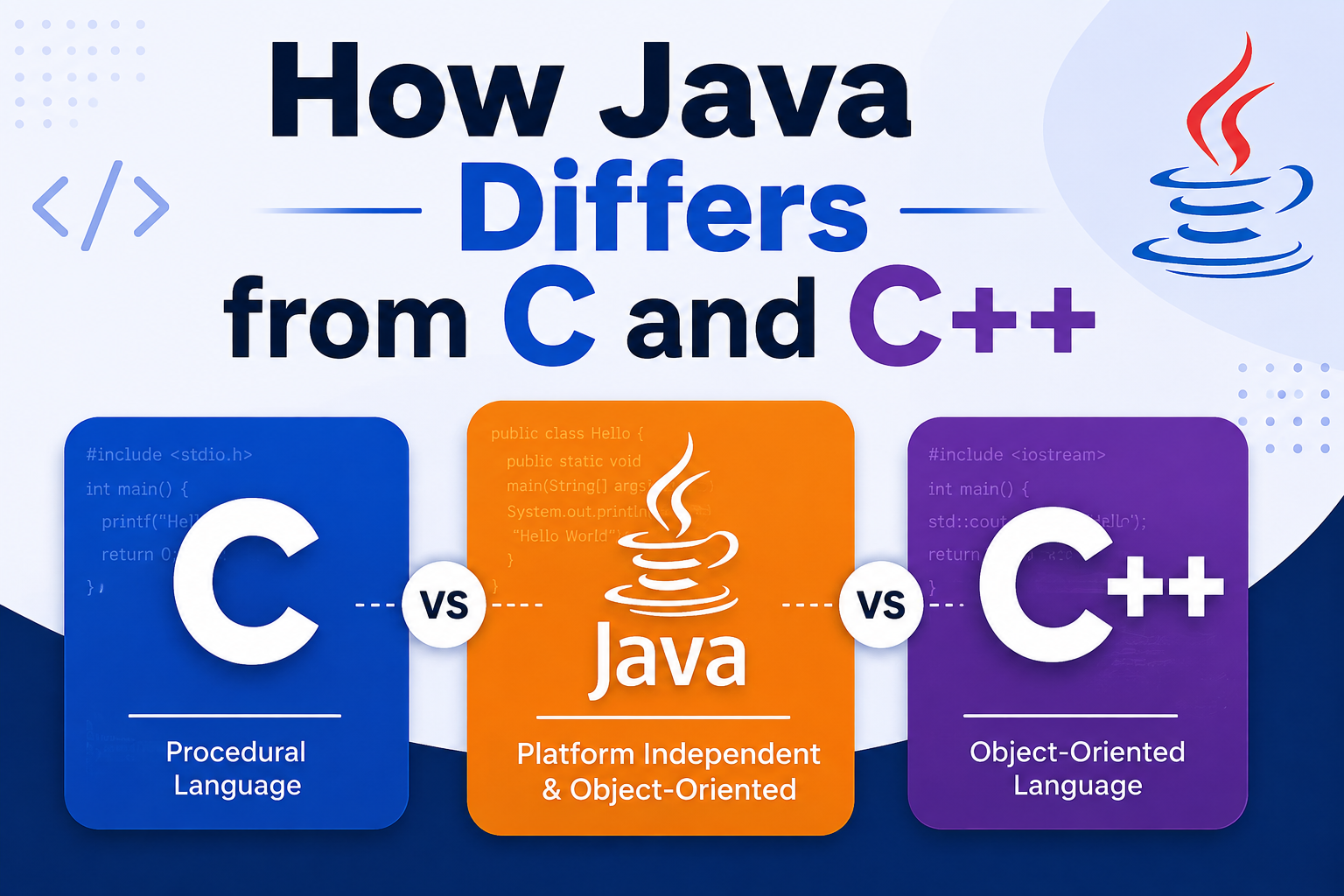
How Java Differs from C and C++
NEW
RRB Group D CBT-1 Exam Date 2026 Out: Check Exam Schedule, Vacancy, Eligibility & Latest Updates
NEW
SSC CHSL Tier 1 Syllabus 2026
NEW
AngularJS Interview Questions and Answers
NEW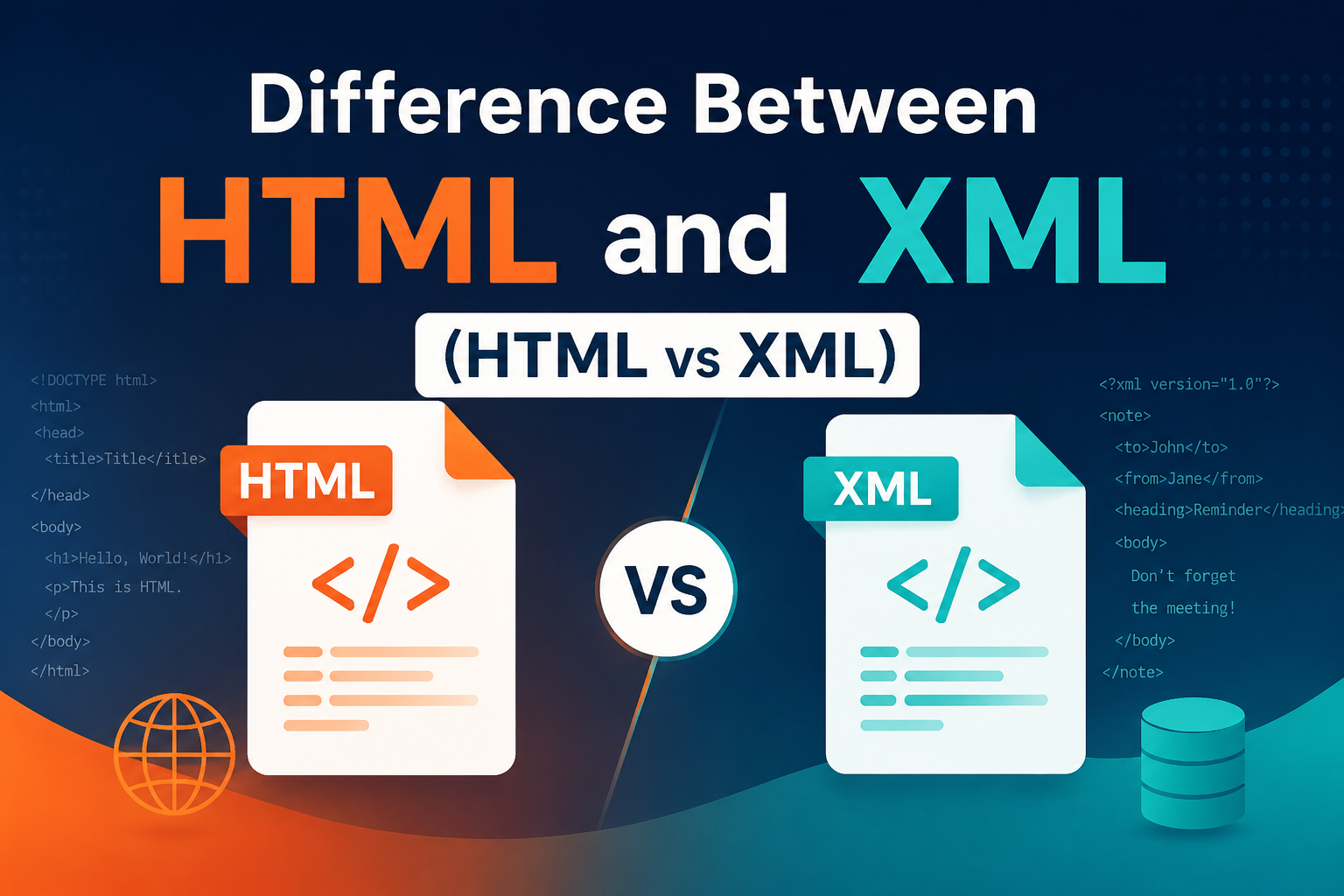
Difference Between HTML and XML (HTML vs XML)
NEW
CBSE 12th Result 2026 Re-Evaluation: Apply Online, Fees, Last Date & Step-by-Step Process Explained
NEW