Database Management Systems MCQ
Database Management Systems (DBMS) MCQ Questions are an excellent way to test your understanding of core database concepts. These multiple-choice questions cover topics such as database models, normalization, SQL commands, indexing, transactions, and security. Whether you are preparing for exams, interviews, or looking to strengthen your DBMS knowledge, these MCQs will help you assess and improve your skills. Perfect for beginners and advanced learners alike, these questions will provide a solid foundation in database management and prepare you for real-world applications.
Q1. What does DBMS stand for?
📘 View ExplanationQ2. Which of the following is an example of DBMS?
📘 View ExplanationQ3. In DBMS, what is a table also called?
📘 View ExplanationQ4. What is a row in a database table called?
📘 View ExplanationQ5. What is a column in a database table called?
📘 View ExplanationQ6. Which key uniquely identifies a row in a table?
📘 View ExplanationQ7. What is a foreign key used for?
📘 View ExplanationQ8. Which SQL command is used to extract data from a database?
📘 View ExplanationQ9. Which SQL command is used to add new data?
📘 View ExplanationQ10. Which SQL keyword is used to remove duplicate rows?
📘 View ExplanationQ11. What is normalization in DBMS?
📘 View ExplanationQ12. Which normal form removes partial dependency?
📘 View ExplanationQ13. Which operator is used with WHERE clause to filter patterns?
📘 View ExplanationQ14. What does SQL stand for?
📘 View ExplanationQ15. Which SQL function is used to count number of rows?
📘 View ExplanationQ16. Which clause is used in SQL to sort data?
📘 View ExplanationQ17. Which SQL clause groups rows based on common values?
📘 View ExplanationQ18. Which SQL keyword is used to remove a table permanently?
📘 View ExplanationQ19. Which command is used to change existing data in SQL?
📘 View ExplanationQ20. Which of the following is a DBMS software?
📘 View Explanation
NEW
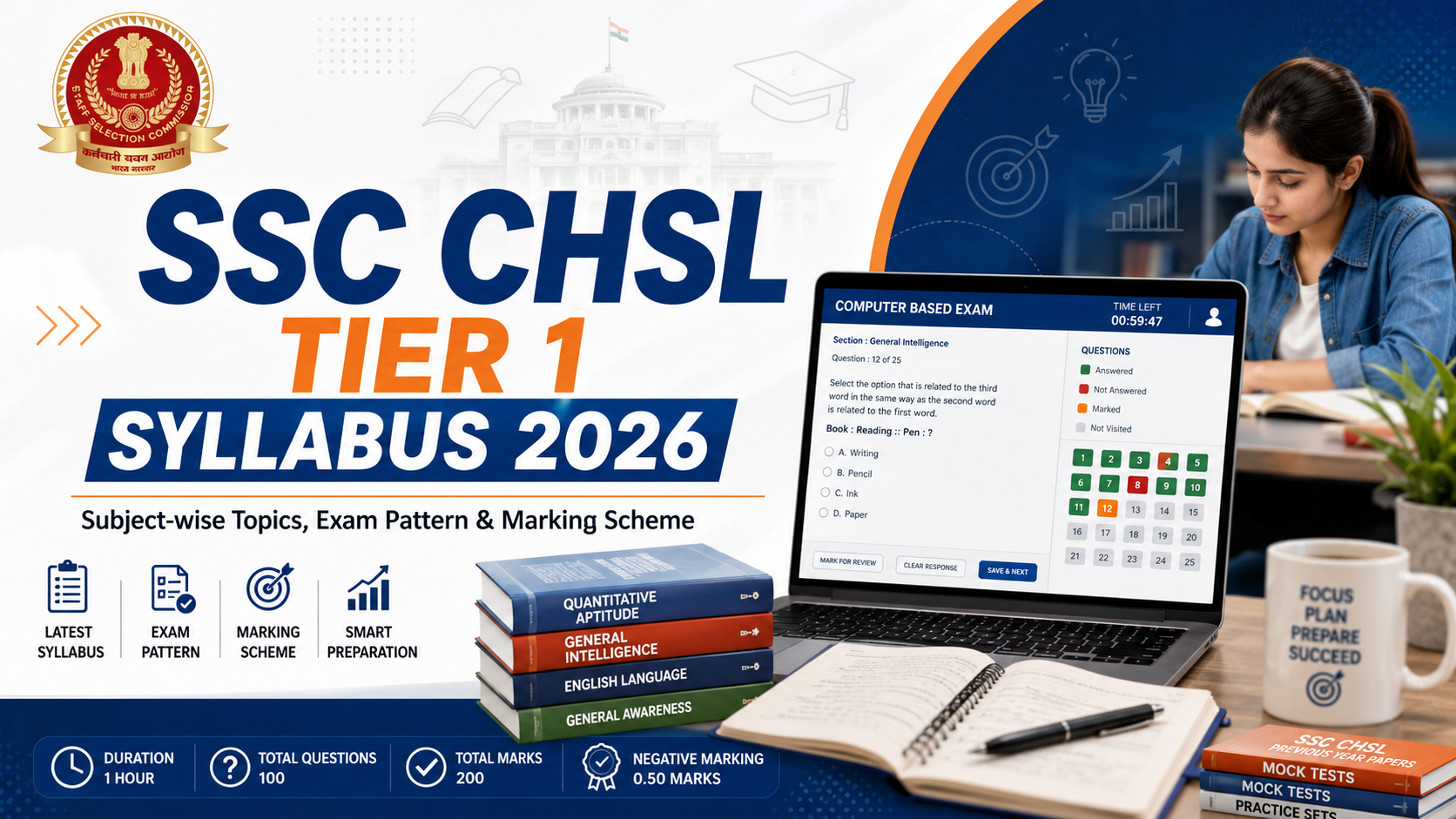



SSC CHSL Tier 1 Syllabus 2026
NEW
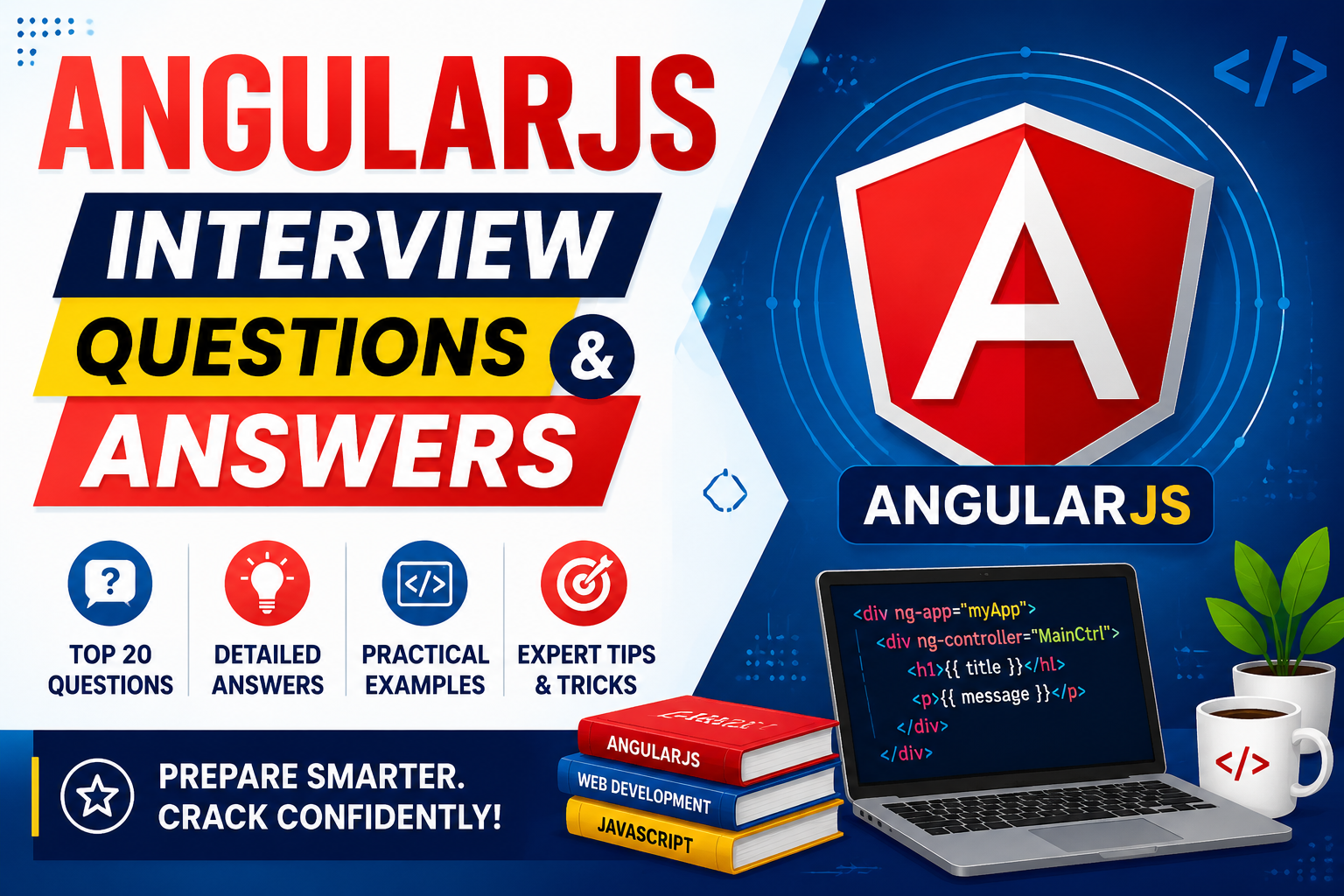
AngularJS Interview Questions and Answers
NEW
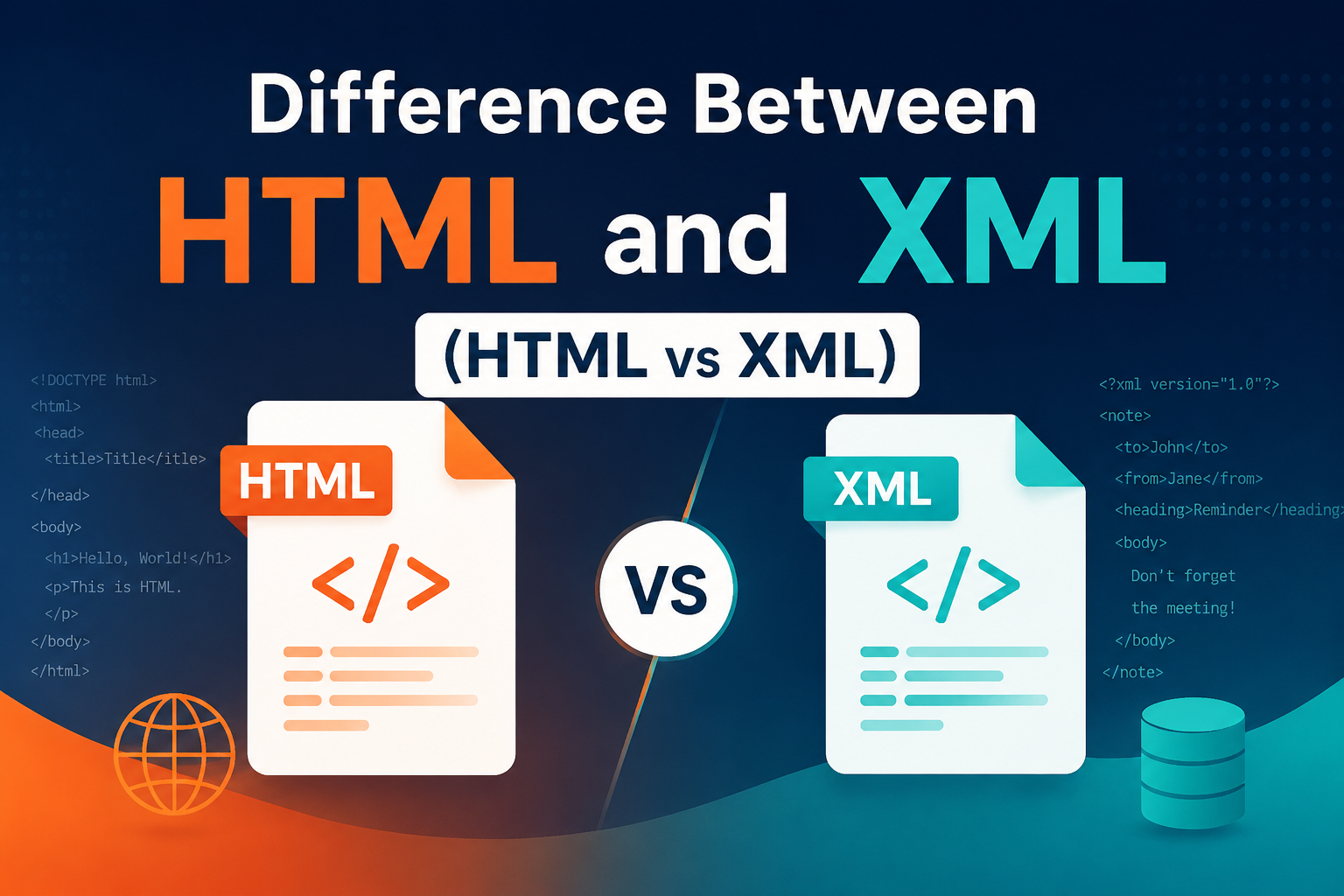
Difference Between HTML and XML (HTML vs XML)
NEW
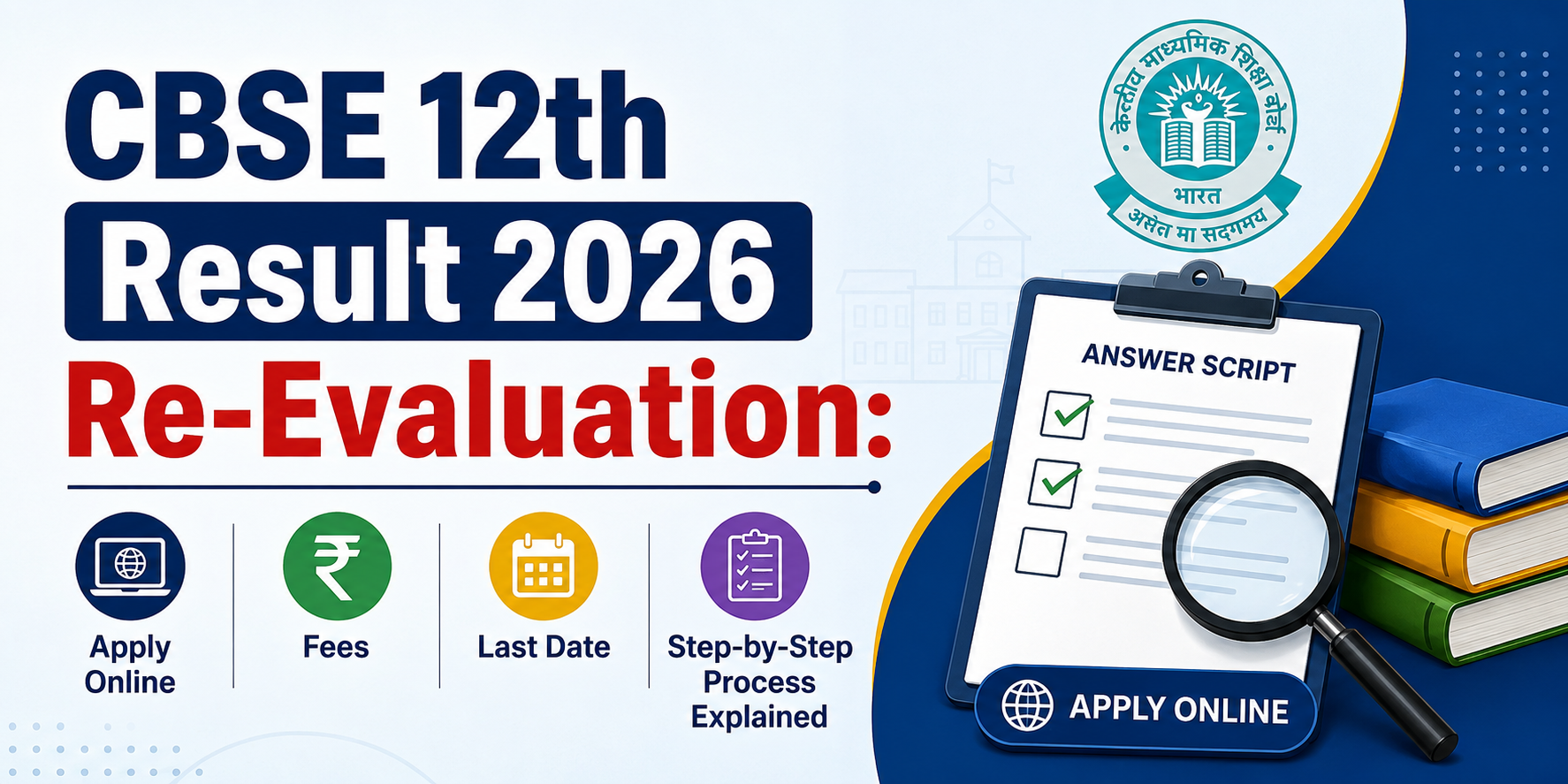
CBSE 12th Result 2026 Re-Evaluation: Apply Online, Fees, Last Date & Step-by-Step Process Explained
NEW
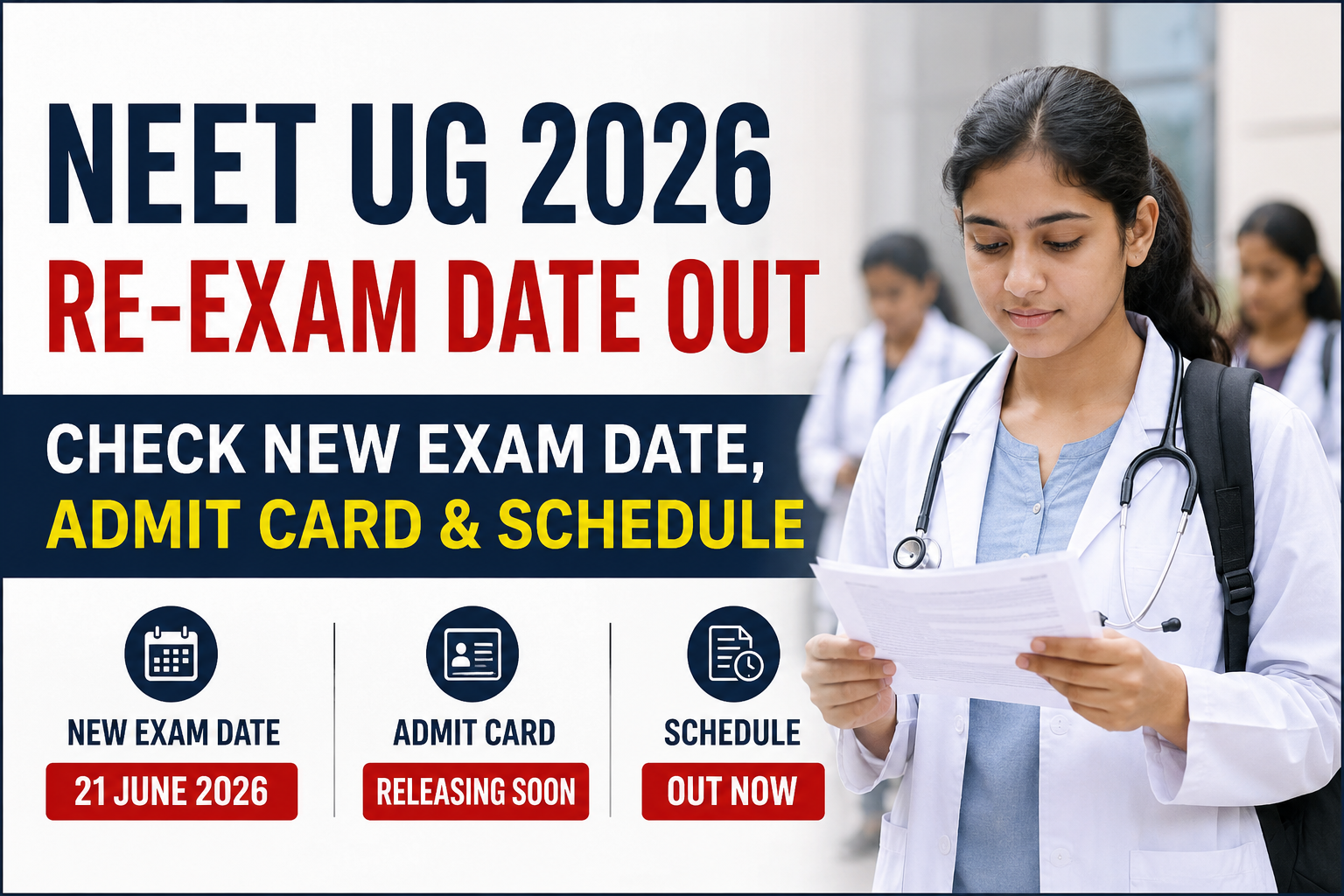
NEET UG 2026 Re-Exam Date Announced: Check New Exam Date, Schedule & Latest Updates
NEW
Understanding the SSC Phase 14 Exam: A Comprehensive Overview
NEW
Top Study Tips for Cracking Your Exams with Confidence
NEW
Aerospace Engineering: Scope, Courses & Career Opportunities
NEW
SSC CHSL Syllabus
NEW
EPFO 3.0 is Here: 7 Major Changes Every Employee Must Know
NEW
Indian Army Salary Structure
NEW