Delhi Police Driver MCQs
Delhi Police Driver MCQs are very useful for candidates preparing for the Delhi Police Constable Driver examination. This exam is conducted to select eligible candidates for driver posts in Delhi Police, and proper practice of multiple-choice questions can help students improve their preparation level. MCQs allow candidates to understand the exam pattern, revise important topics, and check their knowledge before the final exam.
This section includes important questions from topics such as General Awareness, Reasoning Ability, Numerical Ability, Road Safety Rules, Traffic Signs, Motor Vehicle Act, basic vehicle maintenance, and driving-related knowledge. These topics are commonly asked in the Delhi Police Driver exam and are important for scoring good marks. Practicing MCQs regularly helps candidates identify weak areas and improve accuracy.
Delhi Police Driver MCQs are designed in simple language so that every student can understand the questions easily. Each question helps in building confidence and improving problem-solving speed. Candidates should practice these questions daily to become familiar with the type of questions asked in the examination. Regular practice also helps in time management, which is very important during competitive exams.
These MCQs are helpful for both beginners and advanced learners. Beginners can use them to understand basic concepts, while experienced candidates can use them for revision and self-assessment. The questions are suitable for SSC aspirants who want to prepare in a structured and effective way.
Apart from written exam preparation, candidates should also focus on driving skills, traffic rules, physical standards, and document verification requirements. A complete preparation strategy includes written practice, practical driving knowledge, and awareness of official exam guidelines.
By practicing Delhi Police Driver MCQs, candidates can increase their chances of performing well in the exam. This page is created to support students with useful, exam-focused, and easy-to-understand practice material. Candidates are advised to revise regularly, attempt mock tests, and stay updated with the latest exam pattern and syllabus.
Q1. What should a driver do when approaching a red traffic signal?
Correct Answer: B
Q2. Which document is primarily required to legally drive a motor vehicle on public roads in India?
Correct Answer: B
Q3. What is the main purpose of a vehicle's rear-view mirror?
Correct Answer: B
Q4. What should a driver do before changing lanes?
Correct Answer: B
Q5. Which colour of traffic light generally indicates that vehicles must stop?
Correct Answer: C
Q6. What does a continuous white line on the road generally indicate?
Correct Answer: B
Q7. Which safety device is designed to protect occupants during a collision by restraining them?
Correct Answer: A
Q8. What is the main function of a vehicle's braking system?
Correct Answer: B
Q9. Which component transfers engine power to the wheels in a manual transmission system?
Correct Answer: A
Q10. What is the purpose of engine coolant?
Correct Answer: A
Q11. What should a driver do when an emergency vehicle approaches with a siren?
Correct Answer: B
Q12. Which part of a vehicle is used to indicate a turn to other road users?
Correct Answer: A
Q13. Why should tyre pressure be checked regularly?
Correct Answer: A
Q14. A vehicle travels 120 km in 3 hours. What is its average speed?
Correct Answer: B
Q15. If a vehicle travels at 50 km/h for 4 hours, how far will it travel?
Correct Answer: C
Q16. Find the next number: 5, 10, 20, 40, ?
Correct Answer: C
Q17. If a driver is facing east and turns left, which direction will the vehicle face?
Correct Answer: A
Q18. Which fuel is commonly used in diesel engines?
Correct Answer: B
Q19. What is the primary purpose of a vehicle horn?
Correct Answer: A
Q20. What should a driver do if visibility becomes very poor due to heavy fog?
Correct Answer: B
Latest Blogs

SSC Exam Preparation: Complete Guide for Beginners
NEW
RRB Group D Answer Key 2026 Out: Check Response Sheet & Objection
NEW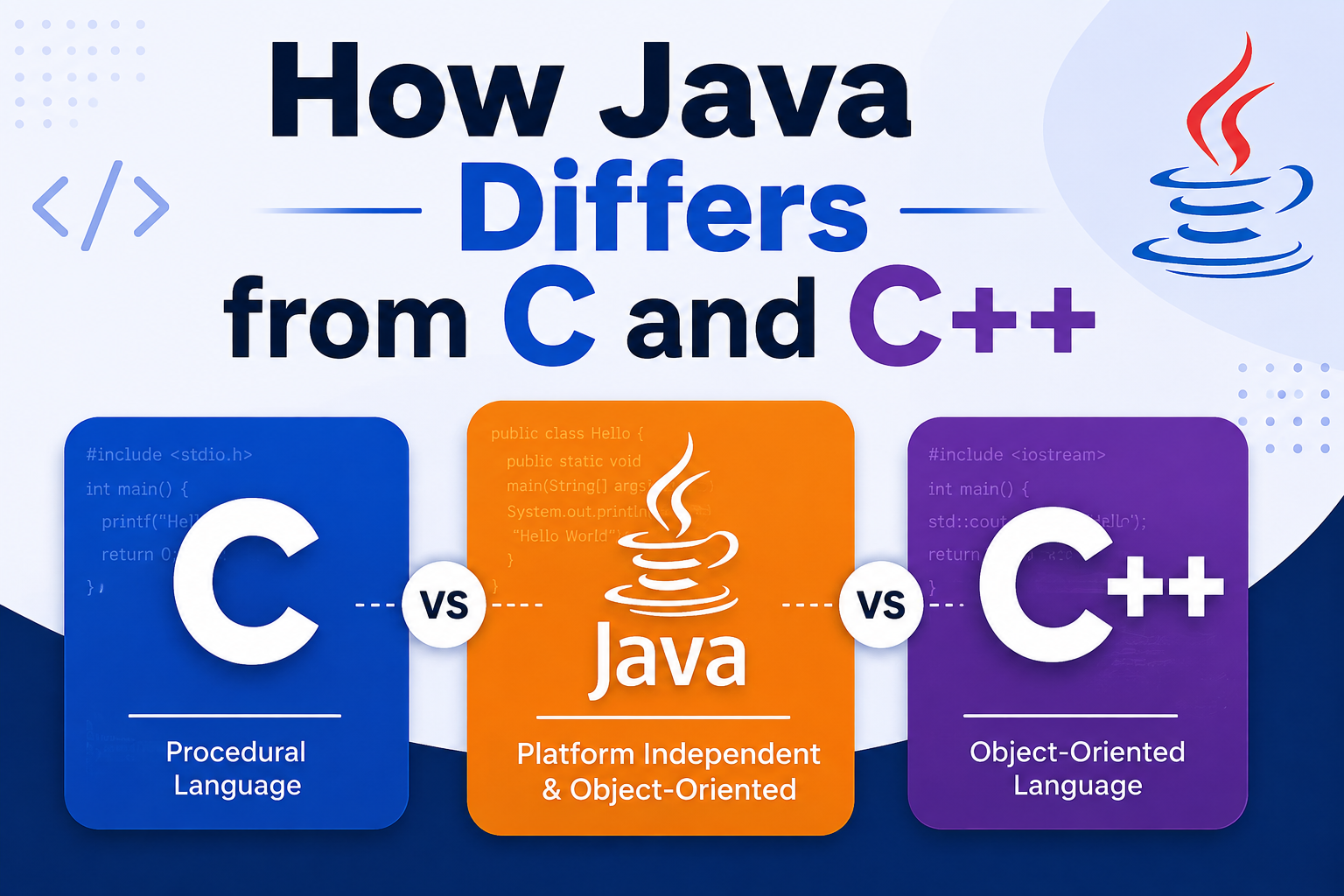
How Java Differs from C and C++
NEW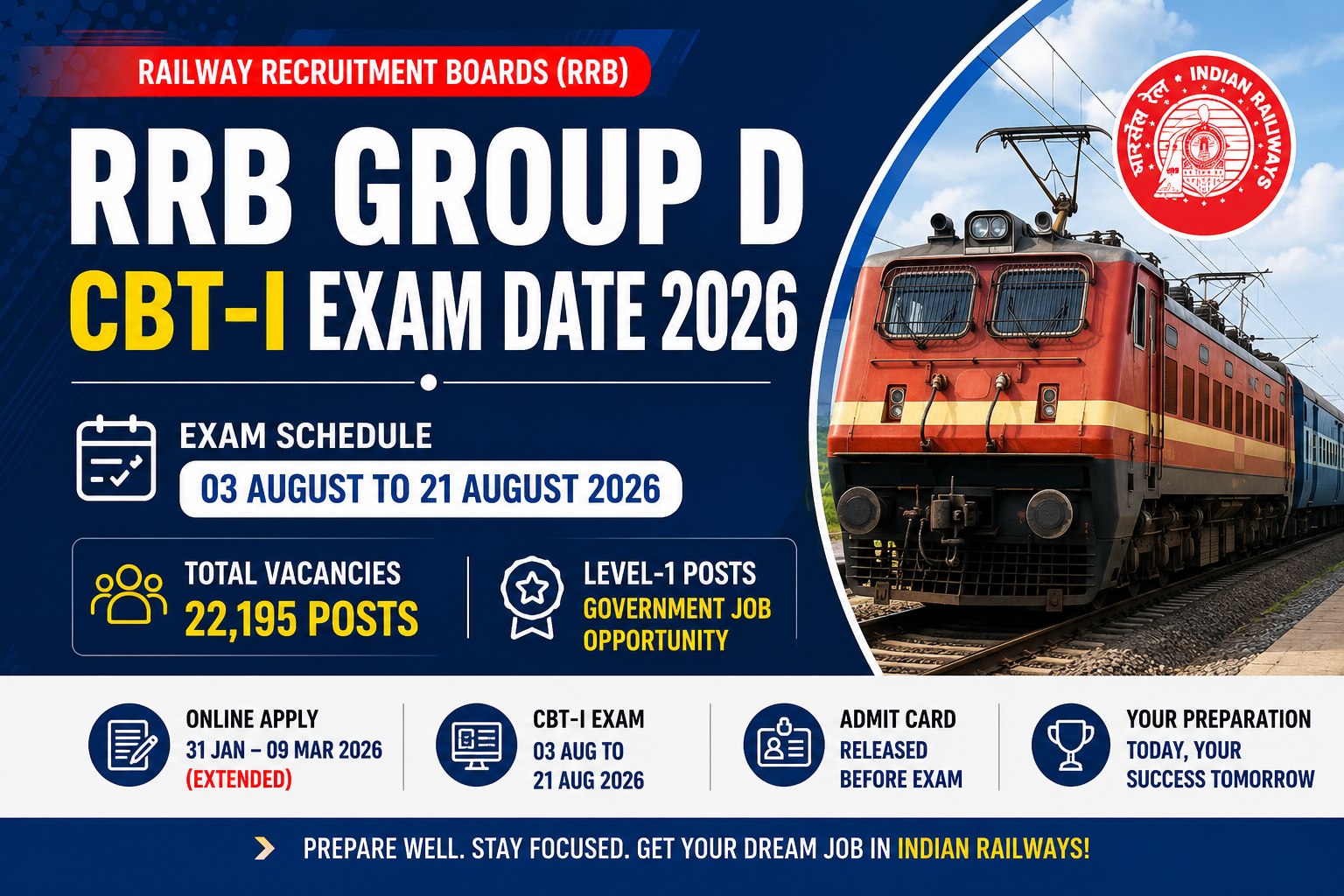
RRB Group D CBT-1 Exam Date 2026 Out: Check Exam Schedule, Vacancy, Eligibility & Latest Updates
NEW
SSC CHSL Tier 1 Syllabus 2026
NEW
AngularJS Interview Questions and Answers
NEW
Difference Between HTML and XML (HTML vs XML)
NEW
CBSE 12th Result 2026 Re-Evaluation: Apply Online, Fees, Last Date & Step-by-Step Process Explained
NEW
NEET UG 2026 Re-Exam Date Announced: Check New Exam Date, Schedule & Latest Updates
NEW
Understanding the SSC Phase 14 Exam: A Comprehensive Overview
NEW
Top Study Tips for Cracking Your Exams with Confidence
NEW