Helicopter Engineering MCQ
Q1. Which rotor type is commonly used in helicopters for lift?
📘 View ExplanationQ2. The tail rotor in a helicopter primarily prevents:
📘 View ExplanationQ3. Which control changes the pitch of all rotor blades simultaneously?
📘 View ExplanationQ4. Cyclic control in a helicopter is used to:
📘 View ExplanationQ5. The term “autorotation” refers to:
📘 View ExplanationQ6. A helicopter’s center of gravity affects:
📘 View ExplanationQ7. Torque effect in helicopters is countered by:
📘 View ExplanationQ8. Which type of rotor system allows blades to flap, lead, and lag?
📘 View ExplanationQ9. What is retreating blade stall?
📘 View ExplanationQ10. The helicopter autorotation descent rate depends on:
📘 View ExplanationQ11. Torque produced by main rotor increases with:
📘 View ExplanationQ12. What is the purpose of the swashplate in a helicopter?
📘 View ExplanationQ13. Which flight condition can cause blade vortex interaction noise?
📘 View ExplanationQ14. The term “cyclic pitch” means:
📘 View ExplanationQ15. Hovering flight requires:
📘 View ExplanationQ16. The main disadvantage of single main rotor helicopters is:
📘 View ExplanationQ17. NOTAR system in helicopters replaces:
📘 View ExplanationQ18. Which factor limits maximum forward speed of a helicopter?
📘 View ExplanationQ19. Translational lift occurs when:
📘 View ExplanationQ20. Which helicopter component absorbs vibration from rotor?
📘 View Explanation
NEW







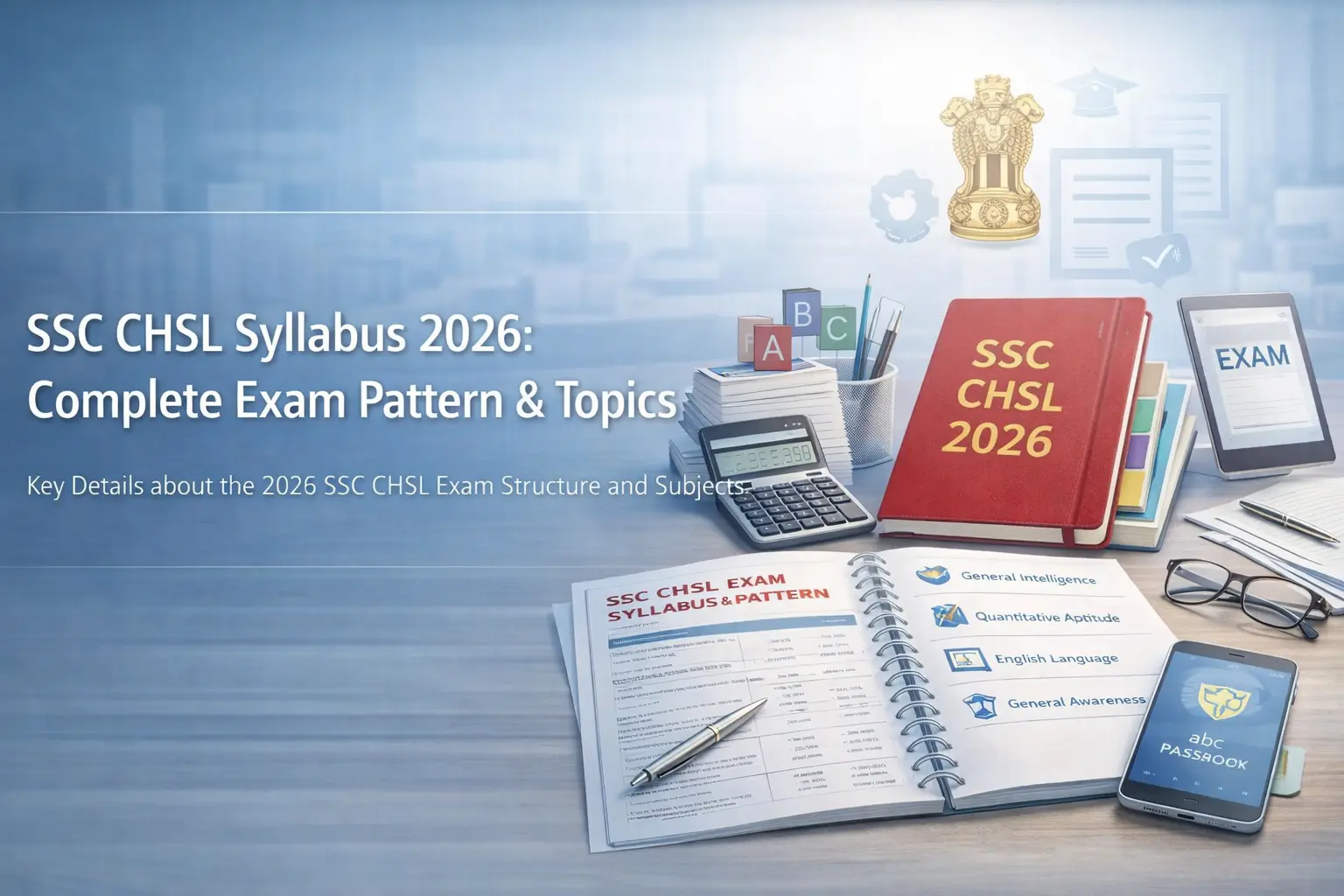



SSC CHSL Tier 1 Syllabus 2026
NEW
AngularJS Interview Questions and Answers
NEW
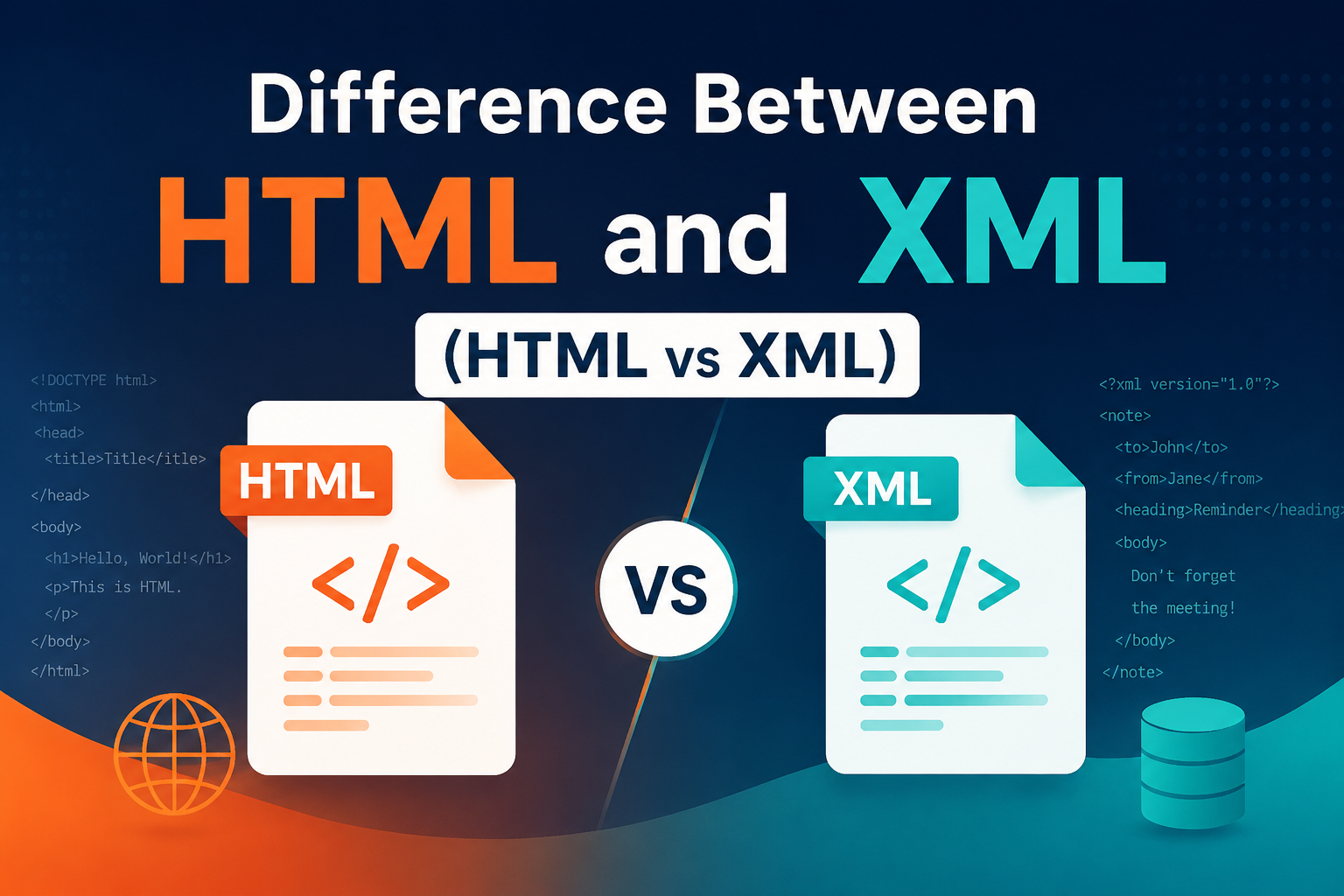
Difference Between HTML and XML (HTML vs XML)
NEW
CBSE 12th Result 2026 Re-Evaluation: Apply Online, Fees, Last Date & Step-by-Step Process Explained
NEW
NEET UG 2026 Re-Exam Date Announced: Check New Exam Date, Schedule & Latest Updates
NEW
Understanding the SSC Phase 14 Exam: A Comprehensive Overview
NEW
Top Study Tips for Cracking Your Exams with Confidence
NEW
Aerospace Engineering: Scope, Courses & Career Opportunities
NEW
SSC CHSL Syllabus
NEW
EPFO 3.0 is Here: 7 Major Changes Every Employee Must Know
NEW
Indian Army Salary Structure
NEW