Software Engineering MCQ
Software Engineering MCQ Questions are a great way to assess and enhance your understanding of key software development concepts. Covering topics like software lifecycle models, design patterns, testing, and project management, these questions cater to both beginners and experienced developers. Whether you're preparing for exams, interviews, or just want to brush up on your skills, these MCQs will help you master software engineering principles and problem-solving techniques. Perfect for computer science students and professionals seeking to improve their software development knowledge.
Q1. Which of the following is a Software Development Life Cycle (SDLC) model?
📘 View ExplanationQ2. Which model emphasizes iterative development?
📘 View ExplanationQ3. Requirement analysis phase primarily deals with:
📘 View ExplanationQ4. Which diagram is used to model system behavior?
📘 View ExplanationQ5. Which testing is done by developers to check individual units?
📘 View ExplanationQ6. Which process ensures the software meets customer expectations?
📘 View ExplanationQ7. Which model allows prototyping before actual development?
📘 View ExplanationQ8. Which activity involves fixing software after delivery?
📘 View ExplanationQ9. Which type of maintenance involves adding new features?
📘 View ExplanationQ10. Which is a process model that emphasizes verification and validation?
📘 View ExplanationQ11. Which is a non-functional requirement?
📘 View ExplanationQ12. Which diagram represents classes and relationships in UML?
📘 View ExplanationQ13. Which methodology is adaptive and promotes small iterative releases?
📘 View ExplanationQ14. Which model is considered less flexible for requirement changes?
📘 View ExplanationQ15. Which diagram shows sequence of messages between objects?
📘 View ExplanationQ16. Which testing is performed by end-users to validate the system?
📘 View ExplanationQ17. Which activity identifies and reduces software risks?
📘 View ExplanationQ18. Which is an example of preventive maintenance?
📘 View ExplanationQ19. Which phase converts requirements into design specifications?
📘 View ExplanationQ20. Which methodology uses sprints for development?
📘 View Explanation
NEW
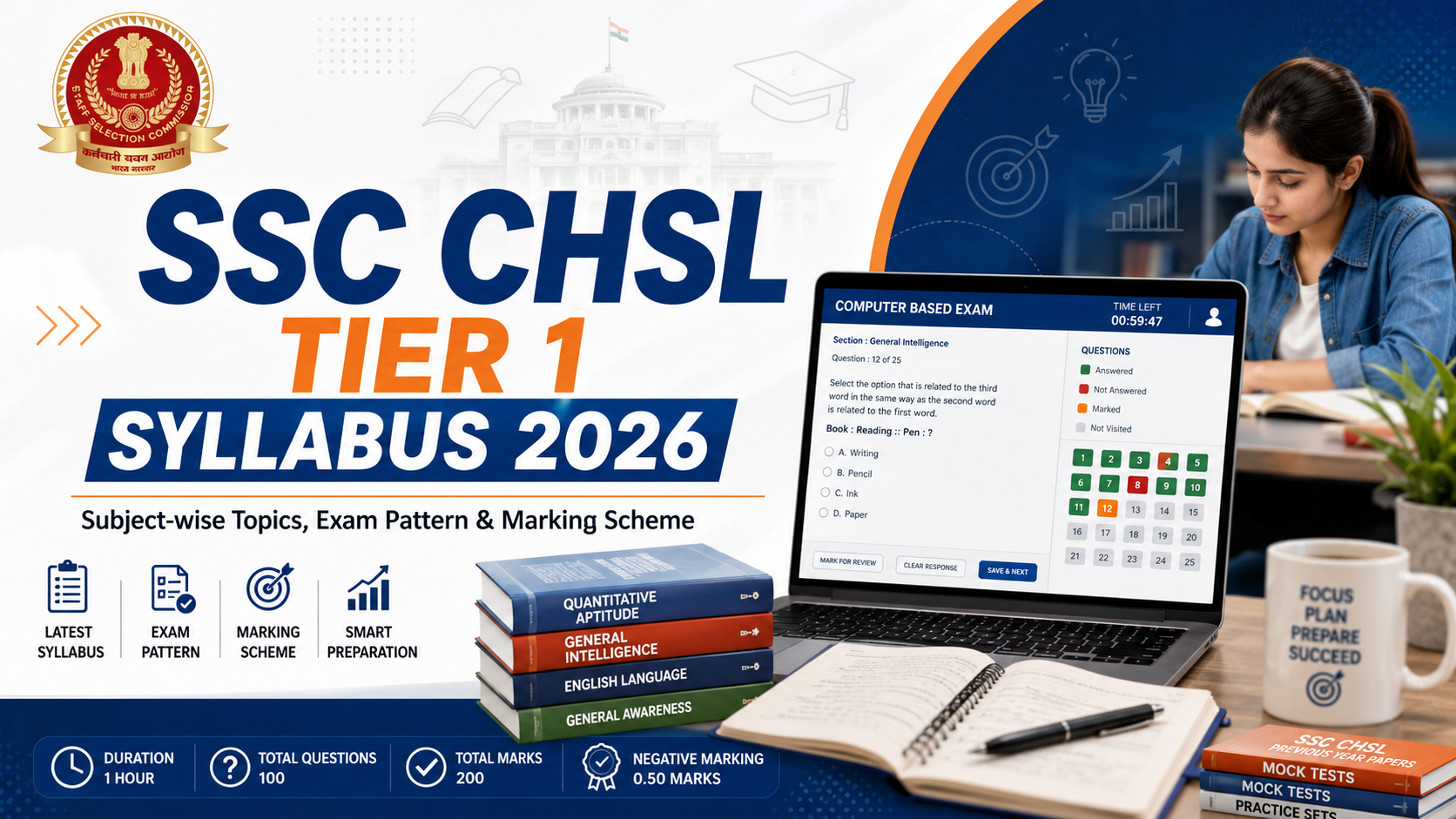




SSC CHSL Tier 1 Syllabus 2026
NEW
AngularJS Interview Questions and Answers
NEW
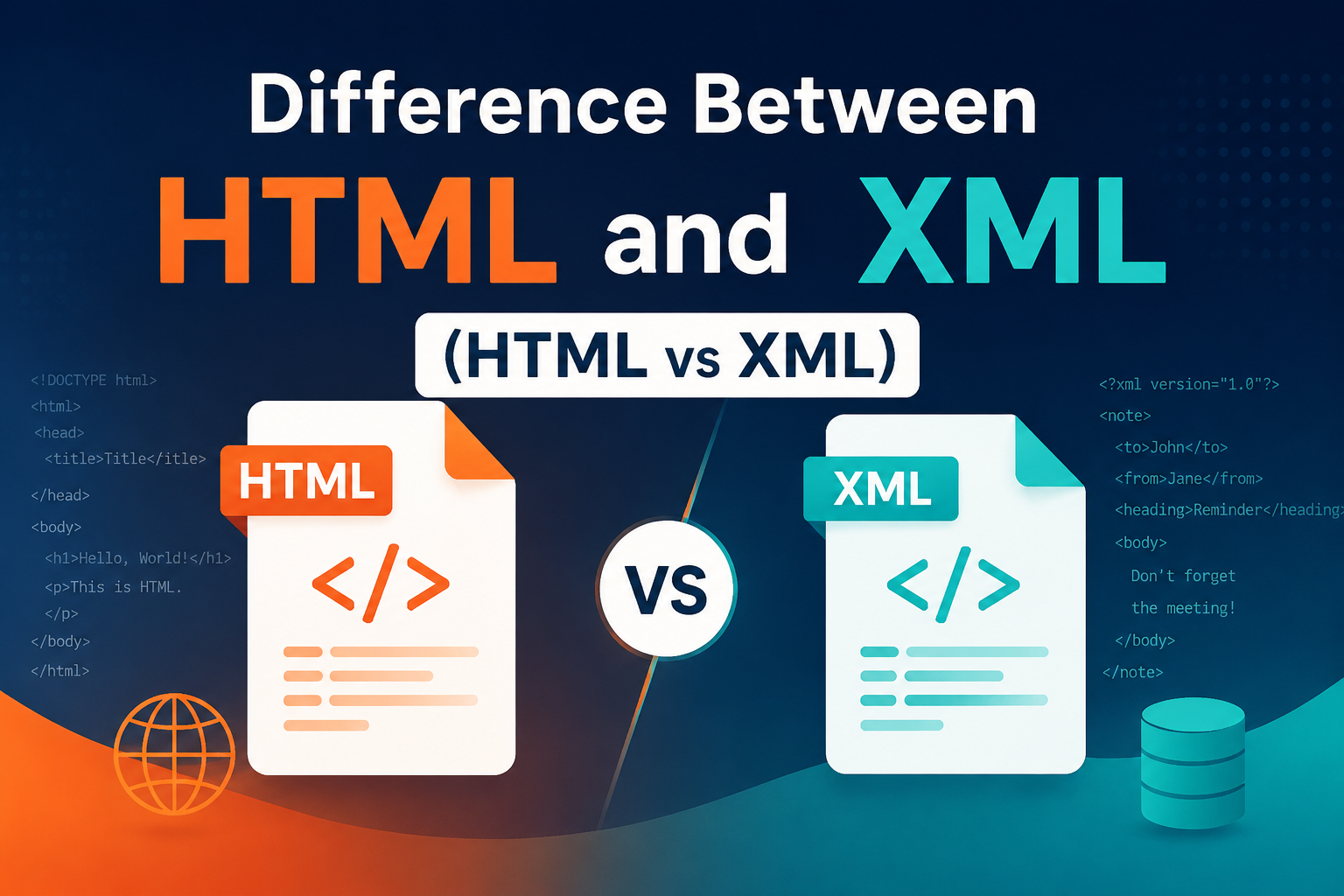
Difference Between HTML and XML (HTML vs XML)
NEW
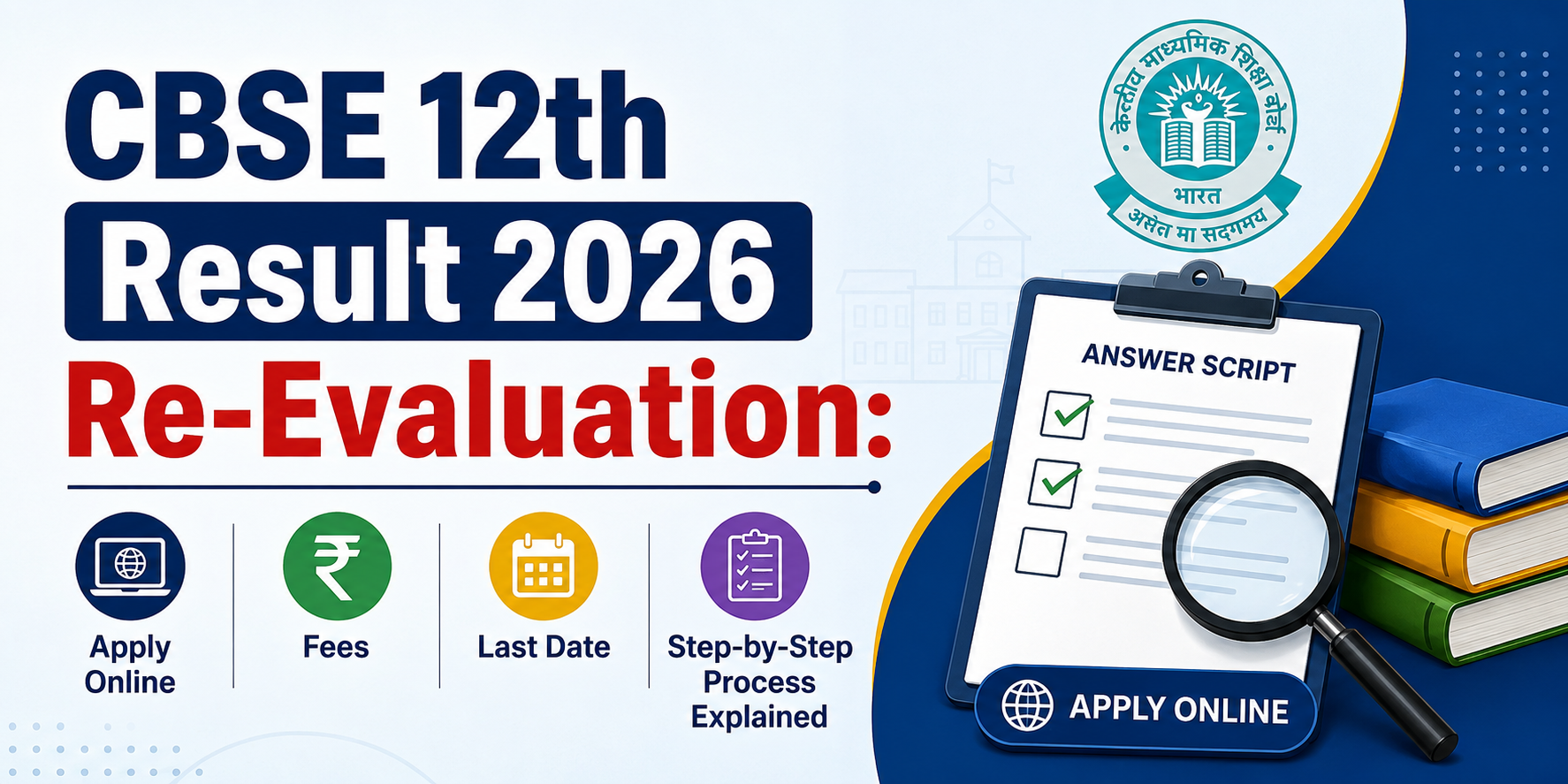
CBSE 12th Result 2026 Re-Evaluation: Apply Online, Fees, Last Date & Step-by-Step Process Explained
NEW
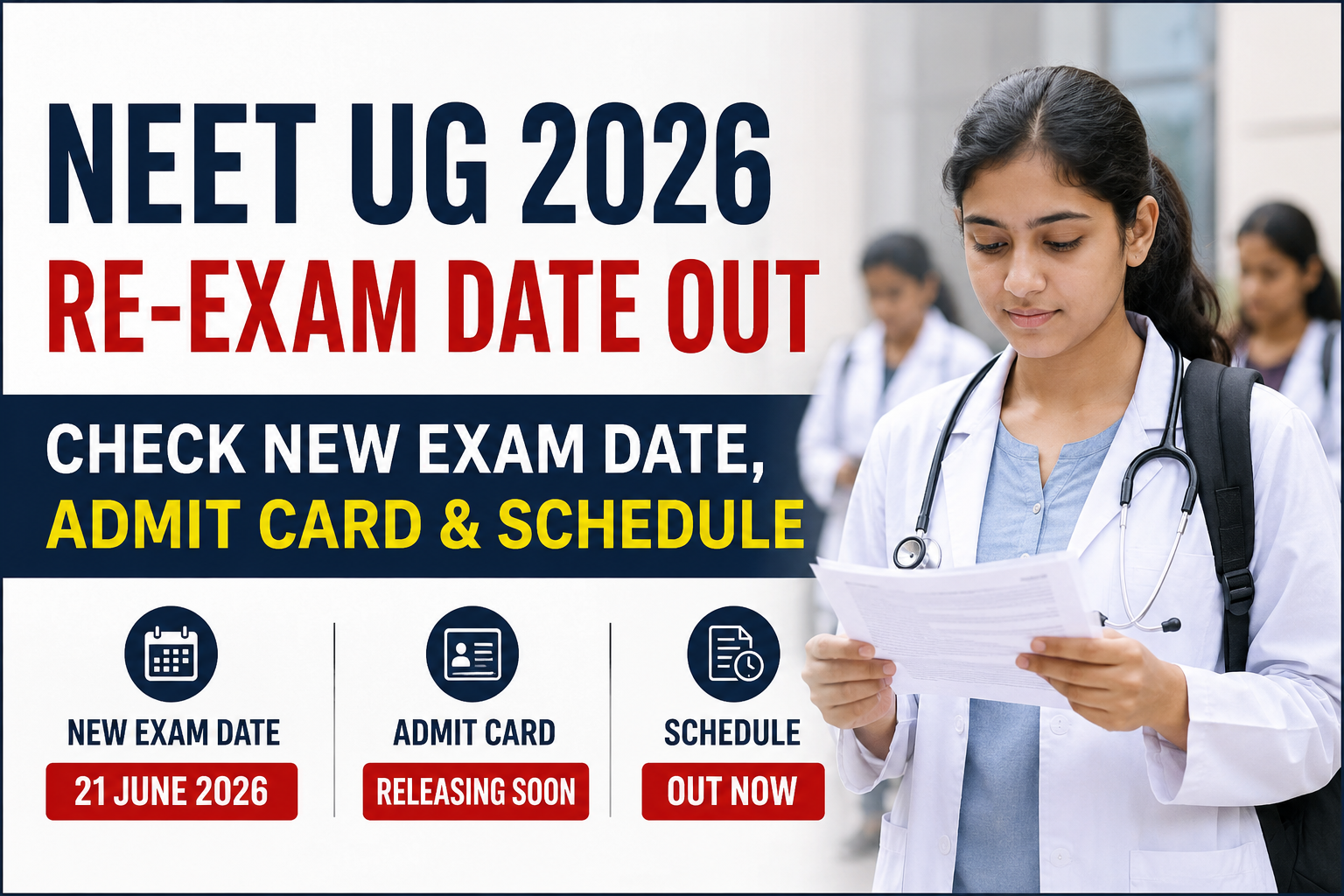
NEET UG 2026 Re-Exam Date Announced: Check New Exam Date, Schedule & Latest Updates
NEW
Understanding the SSC Phase 14 Exam: A Comprehensive Overview
NEW
Top Study Tips for Cracking Your Exams with Confidence
NEW
Aerospace Engineering: Scope, Courses & Career Opportunities
NEW
SSC CHSL Syllabus
NEW
EPFO 3.0 is Here: 7 Major Changes Every Employee Must Know
NEW
Indian Army Salary Structure
NEW