Space Propulsion MCQ
Q1. Which propulsion system is most commonly used for interplanetary missions?
📘 View ExplanationQ2. Specific impulse in rocket propulsion is measured in:
📘 View ExplanationQ3. Which of the following propulsion methods uses photons for thrust?
📘 View ExplanationQ4. The main advantage of electric propulsion over chemical propulsion is:
📘 View ExplanationQ5. Hall effect thrusters accelerate ions using:
📘 View ExplanationQ6. Nuclear thermal rockets use:
📘 View ExplanationQ7. Which propulsion type has the highest theoretical specific impulse?
📘 View ExplanationQ8. The thrust-to-weight ratio of electric propulsion systems is generally:
📘 View ExplanationQ9. Which of the following is NOT a chemical propulsion system?
📘 View ExplanationQ10. VASIMR (Variable Specific Impulse Magnetoplasma Rocket) uses:
📘 View ExplanationQ11. Which gas is commonly used as propellant in ion thrusters?
📘 View ExplanationQ12. Solar electric propulsion relies primarily on:
📘 View ExplanationQ13. Which mission successfully used ion propulsion for deep space travel?
📘 View ExplanationQ14. Microwave electrothermal thrusters generate thrust by:
📘 View ExplanationQ15. Which of the following is a limitation of solar sails?
📘 View ExplanationQ16. The Oberth effect states that:
📘 View ExplanationQ17. Pulsed plasma thrusters operate by:
📘 View ExplanationQ18. Which future concept proposes spacecraft propulsion using antimatter reactions?
📘 View ExplanationQ19. The performance of a rocket engine in vacuum is higher because:
📘 View ExplanationQ20. Which of the following propulsion systems is still in experimental stage for deep space travel?
📘 View Explanation
NEW
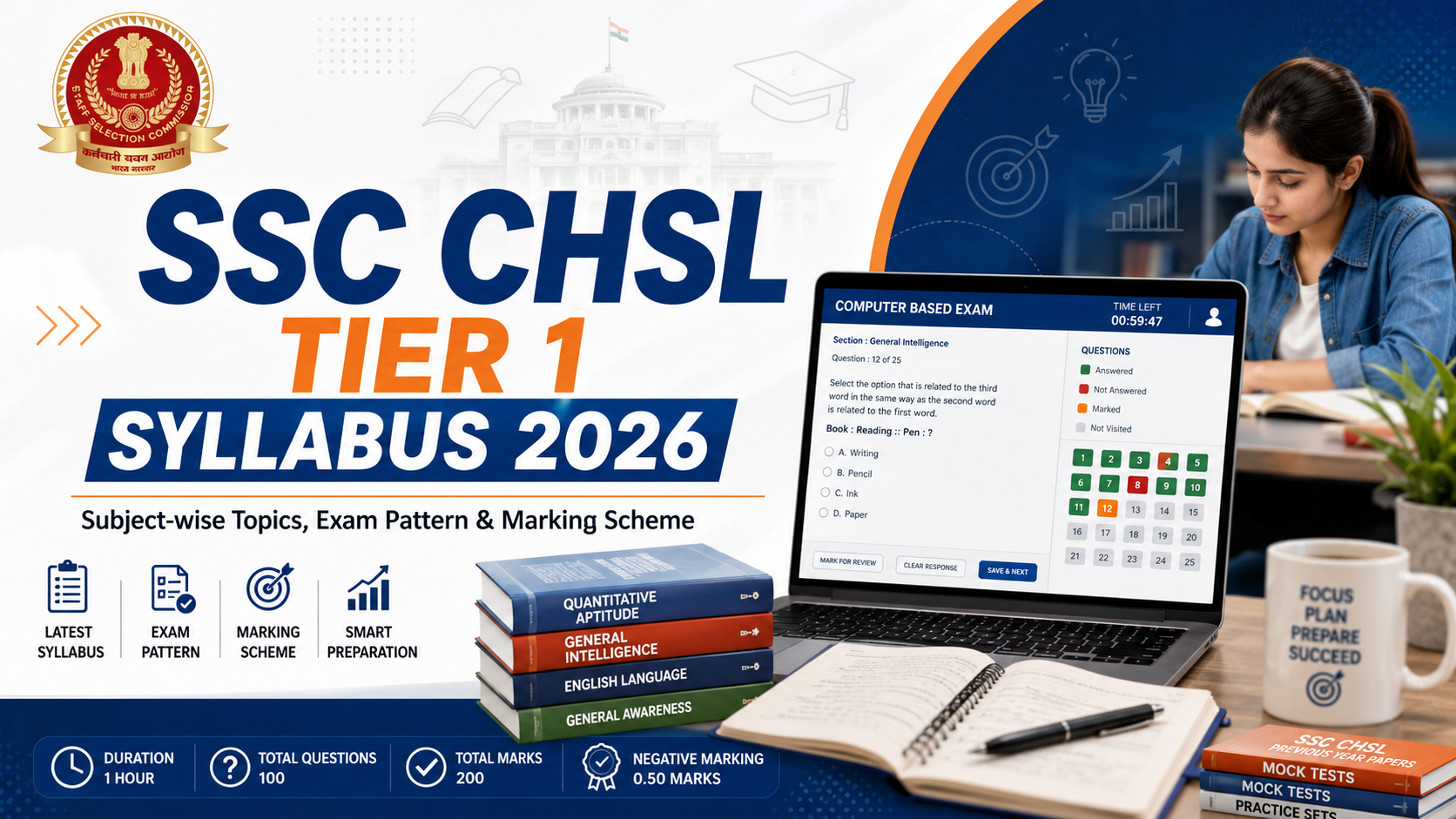



SSC CHSL Tier 1 Syllabus 2026
NEW
AngularJS Interview Questions and Answers
NEW
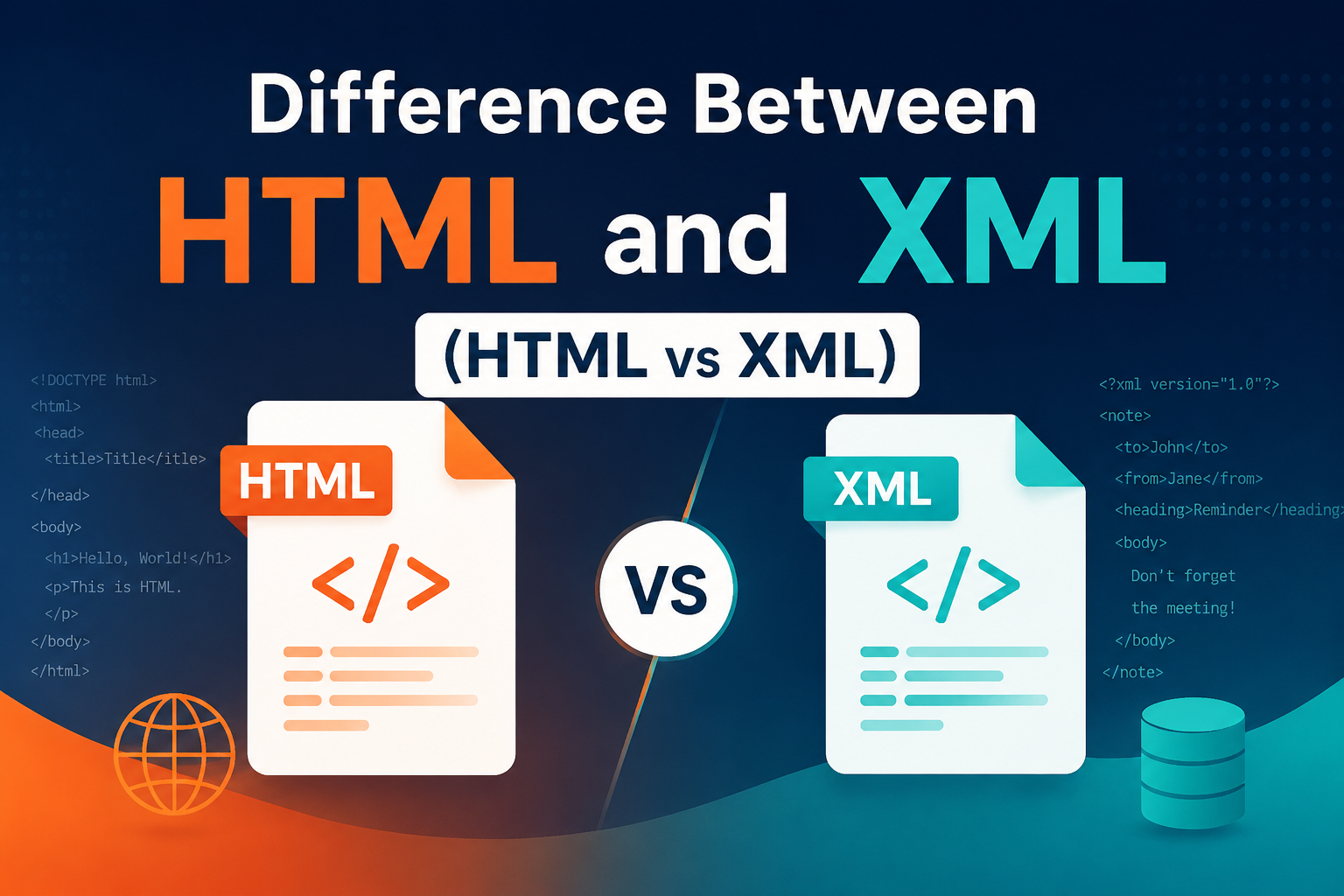
Difference Between HTML and XML (HTML vs XML)
NEW
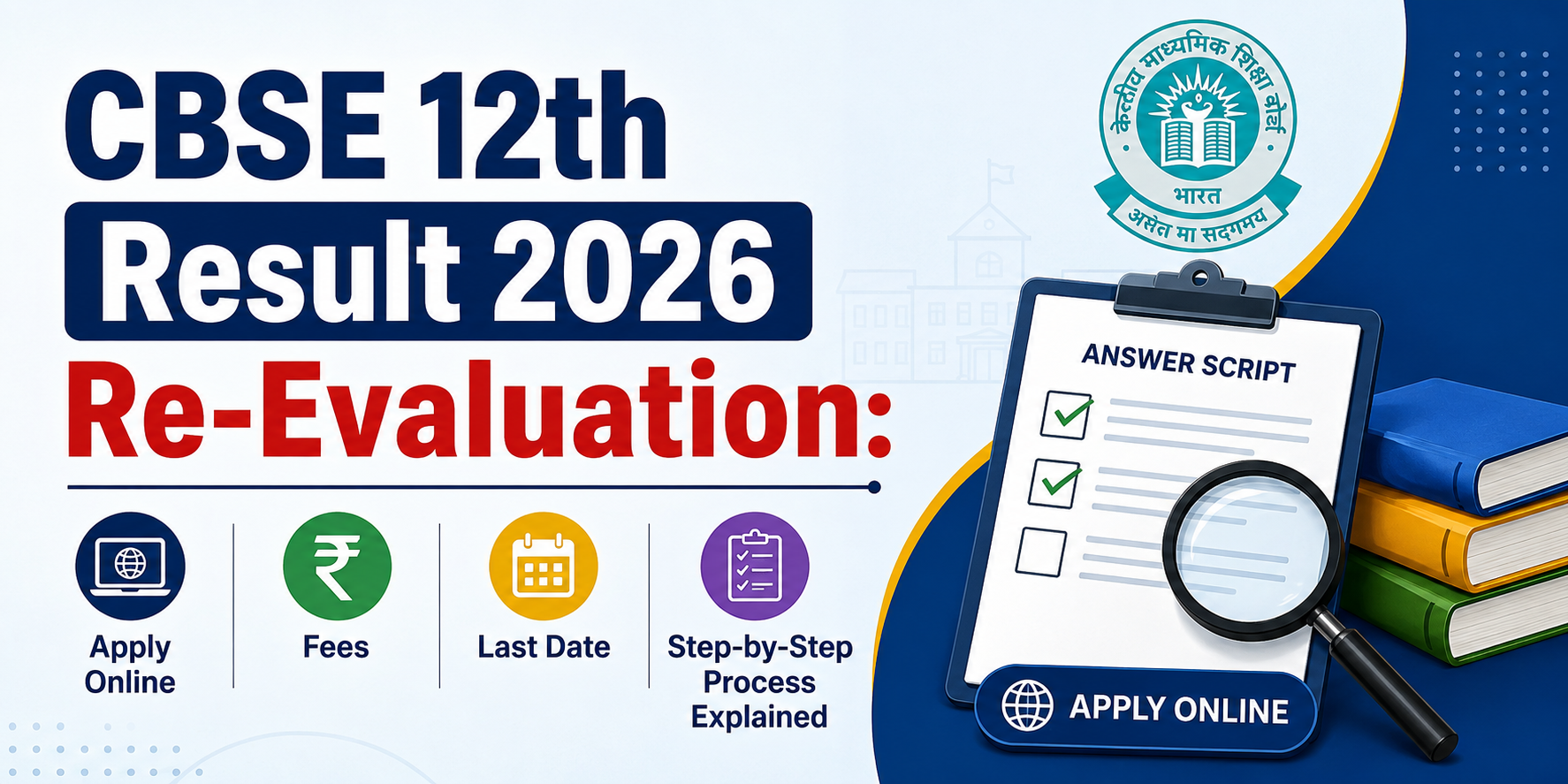
CBSE 12th Result 2026 Re-Evaluation: Apply Online, Fees, Last Date & Step-by-Step Process Explained
NEW
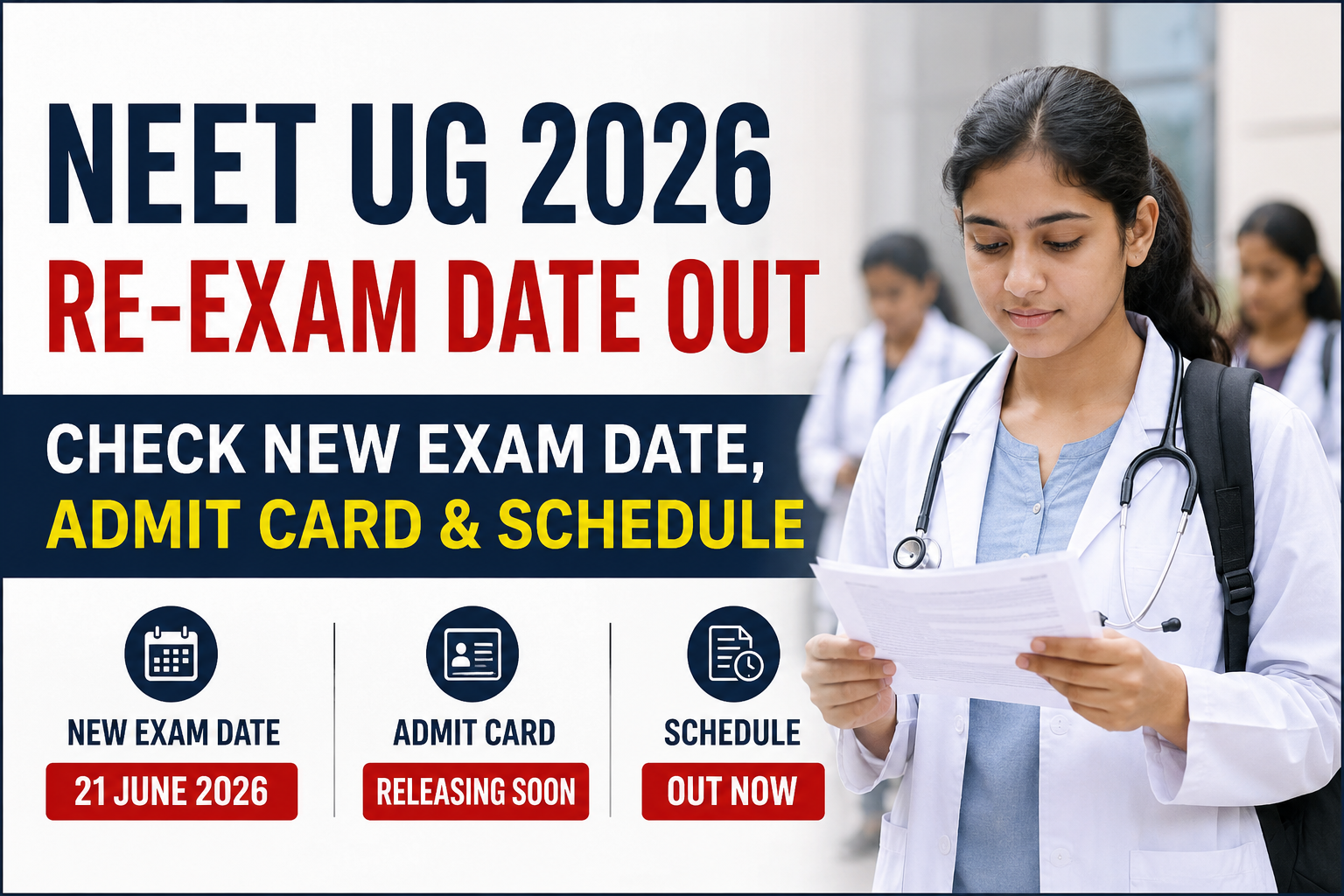
NEET UG 2026 Re-Exam Date Announced: Check New Exam Date, Schedule & Latest Updates
NEW
Understanding the SSC Phase 14 Exam: A Comprehensive Overview
NEW
Top Study Tips for Cracking Your Exams with Confidence
NEW
Aerospace Engineering: Scope, Courses & Career Opportunities
NEW
SSC CHSL Syllabus
NEW
EPFO 3.0 is Here: 7 Major Changes Every Employee Must Know
NEW
Indian Army Salary Structure
NEW