SSC Havaldar MCQs
SSC Havaldar MCQs are an important part of preparation for candidates appearing in the Staff Selection Commission (SSC) recruitment exam for the post of Havaldar. These multiple choice questions help candidates understand the exam pattern, improve accuracy, and build confidence for the final selection process.
The SSC Havaldar exam generally includes questions from subjects such as general knowledge, reasoning ability, quantitative aptitude, English language, and basic awareness. In some cases, physical efficiency knowledge and job-related awareness may also be included. Regular practice of MCQs helps candidates strengthen their basics and perform better in competitive exams.
One of the key advantages of practicing SSC Havaldar MCQs is improved speed and accuracy. Since the exam is time-bound, candidates must learn how to solve questions quickly without making mistakes. Continuous practice helps in developing problem-solving skills and better time management.
General knowledge questions cover topics such as Indian history, geography, polity, current affairs, sports, and important national events. Reasoning questions test logical thinking, pattern recognition, and analytical ability. Quantitative aptitude includes basic arithmetic topics like percentage, ratio, simplification, time and work, and data interpretation. English section focuses on grammar, vocabulary, sentence correction, and comprehension.
To prepare effectively, candidates should follow a structured study plan that includes daily MCQ practice, revision, and mock tests. Practicing previous year question papers is also very helpful in understanding the exam pattern and frequently asked topics.
Mock tests play a crucial role in preparation as they simulate real exam conditions. They help candidates manage time efficiently and identify weak areas. Reviewing mistakes after each test improves accuracy and builds confidence.
Consistency is the key to success in SSC Havaldar exams. Candidates should dedicate fixed study hours every day for MCQ practice and revision. Breaking the syllabus into smaller sections makes preparation easier and more manageable.
Understanding the syllabus is the first step in preparation. It helps candidates focus only on important topics and avoid unnecessary study material. A clear strategy ensures better performance in less time.
In conclusion, SSC Havaldar MCQs are essential for effective exam preparation. With regular practice, proper planning, and strong revision, candidates can improve their performance significantly. A disciplined approach that includes mock tests, topic-wise preparation, and continuous learning increases the chances of success in SSC Havaldar recruitment exams. Staying consistent and focused throughout preparation is the key to achieving a government job in this competitive field.
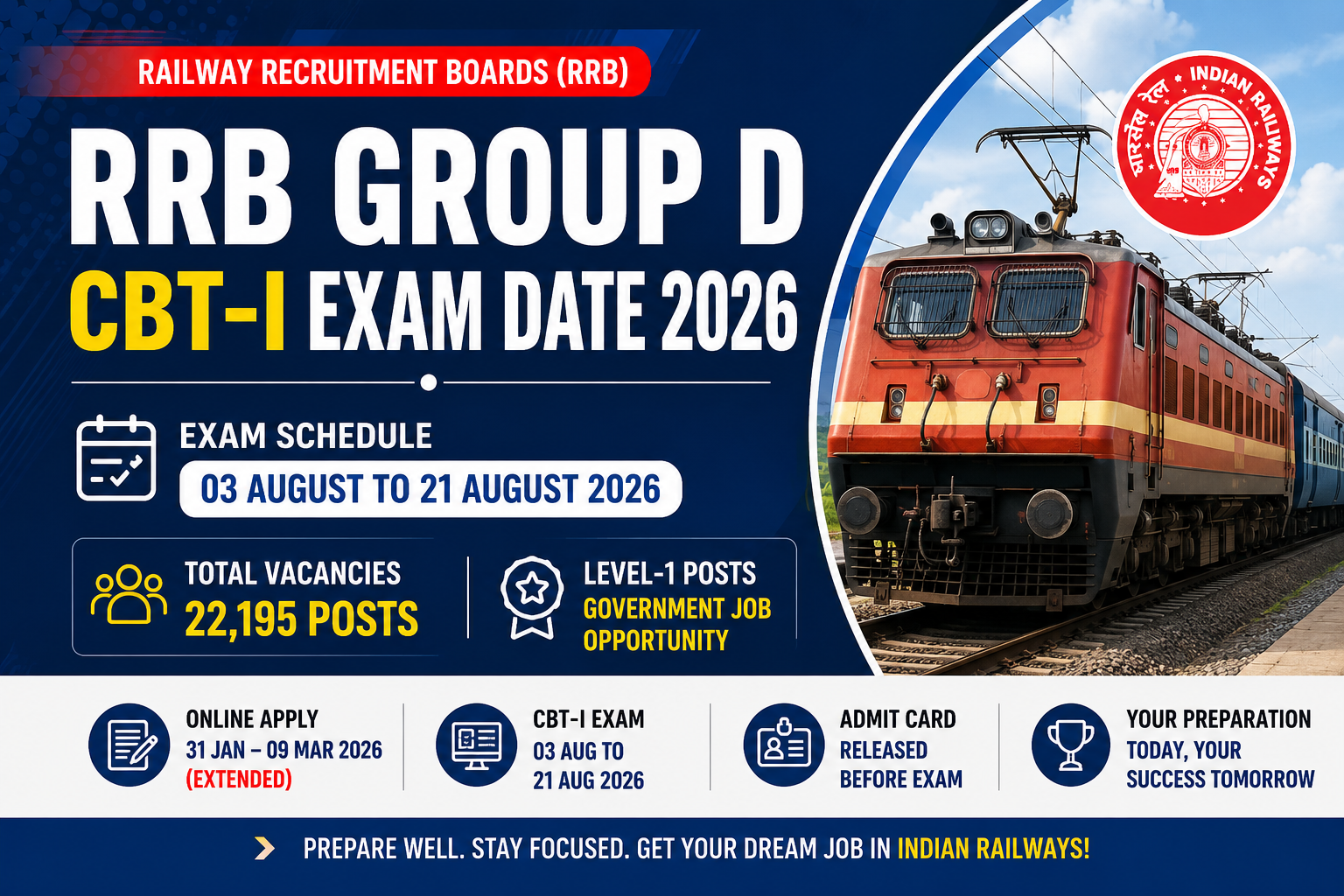
RRB Group D CBT-1 Exam Date 2026 Out: Check Exam Schedule, Vacancy, Eligibility & Latest Updates
NEW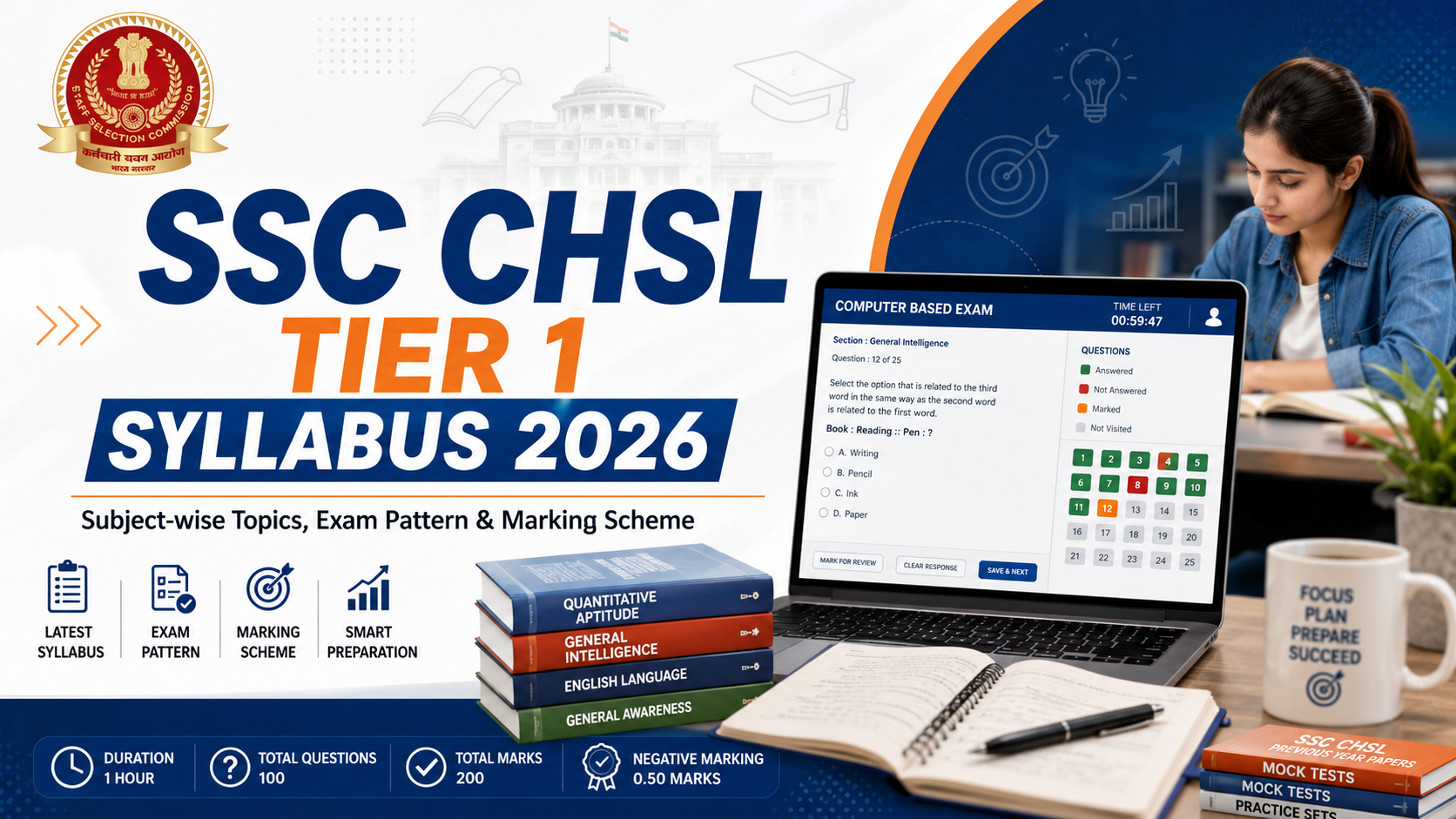
SSC CHSL Tier 1 Syllabus 2026
NEW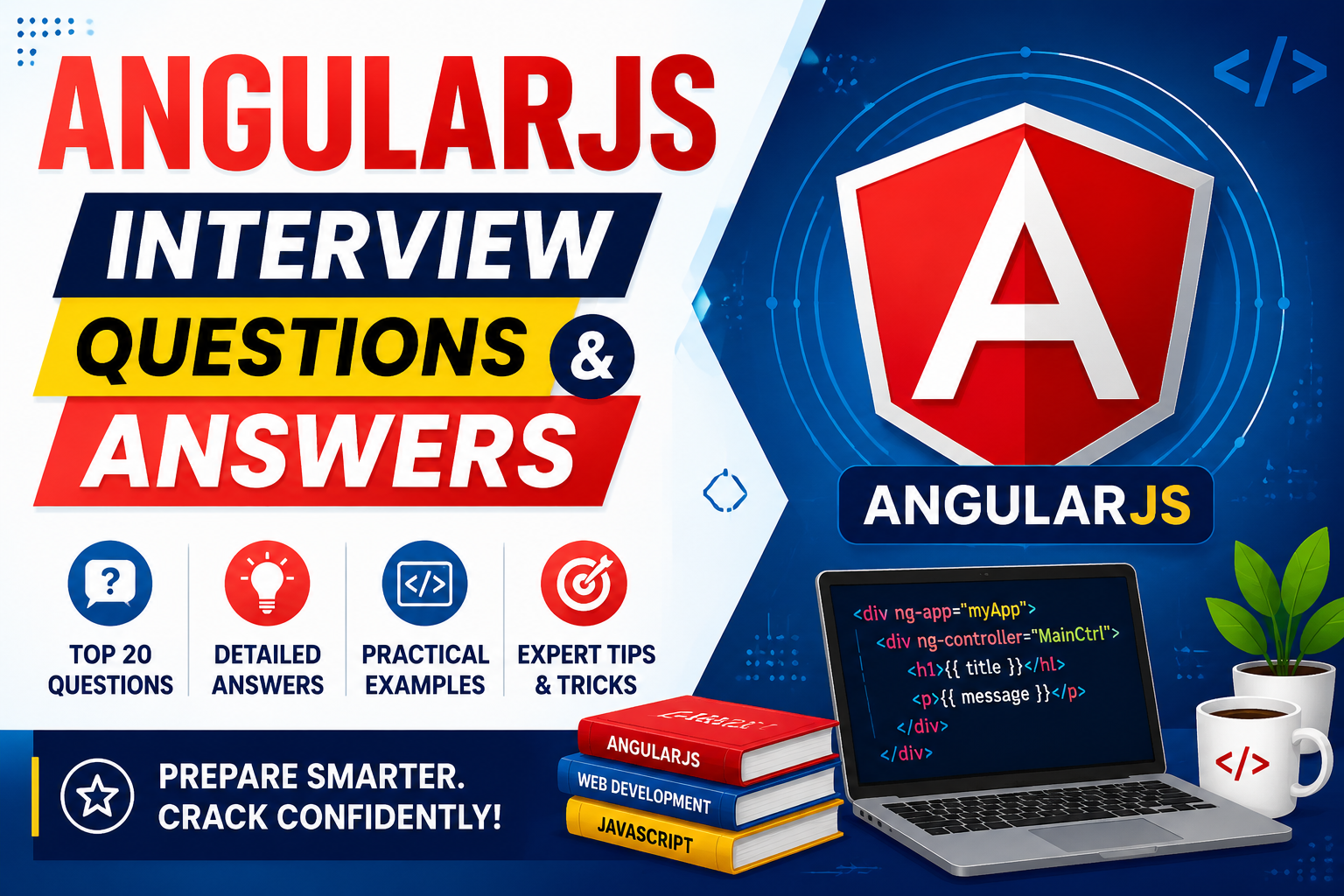
AngularJS Interview Questions and Answers
NEW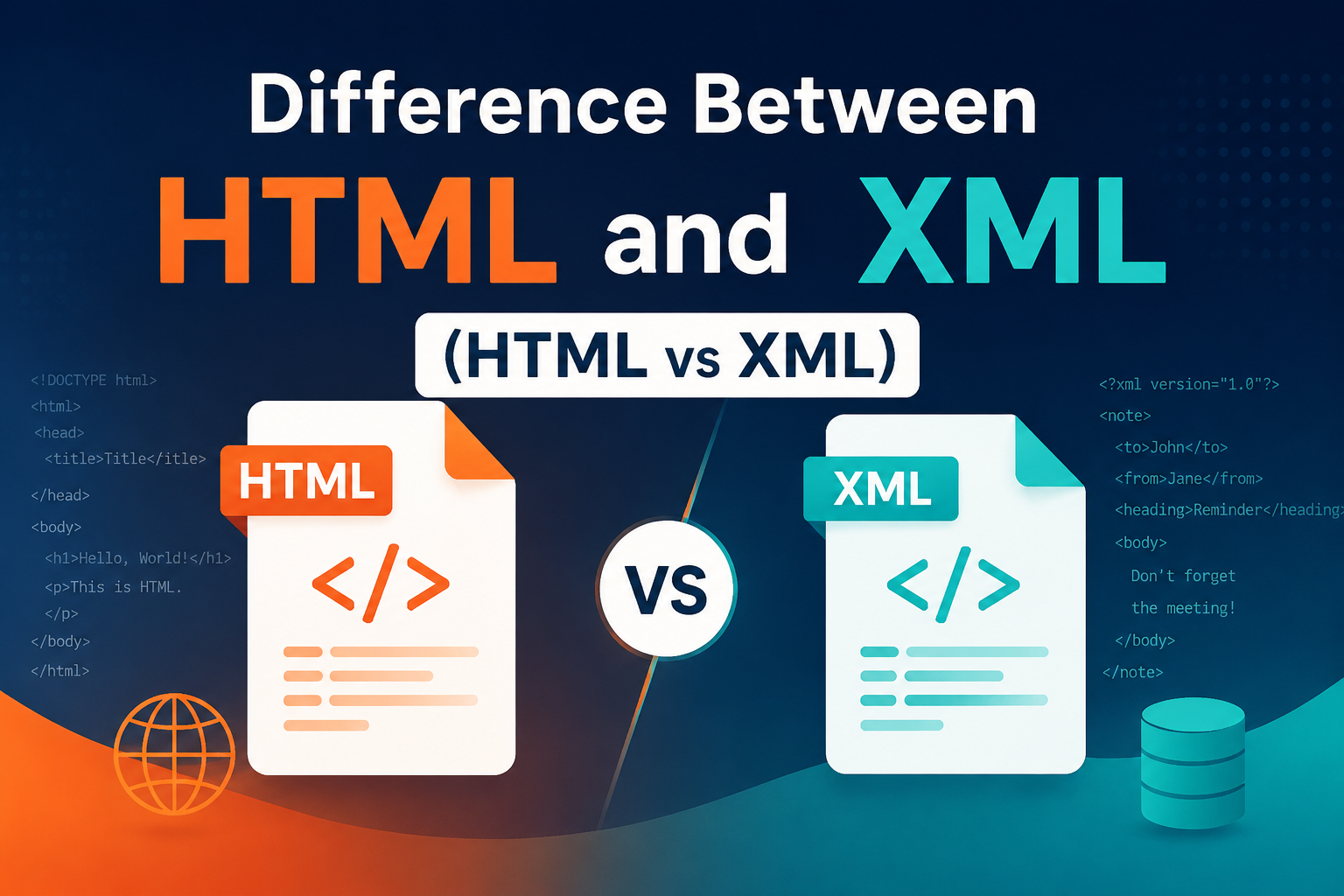
Difference Between HTML and XML (HTML vs XML)
NEW
CBSE 12th Result 2026 Re-Evaluation: Apply Online, Fees, Last Date & Step-by-Step Process Explained
NEW
NEET UG 2026 Re-Exam Date Announced: Check New Exam Date, Schedule & Latest Updates
NEW
Understanding the SSC Phase 14 Exam: A Comprehensive Overview
NEW
Top Study Tips for Cracking Your Exams with Confidence
NEW
Aerospace Engineering: Scope, Courses & Career Opportunities
NEW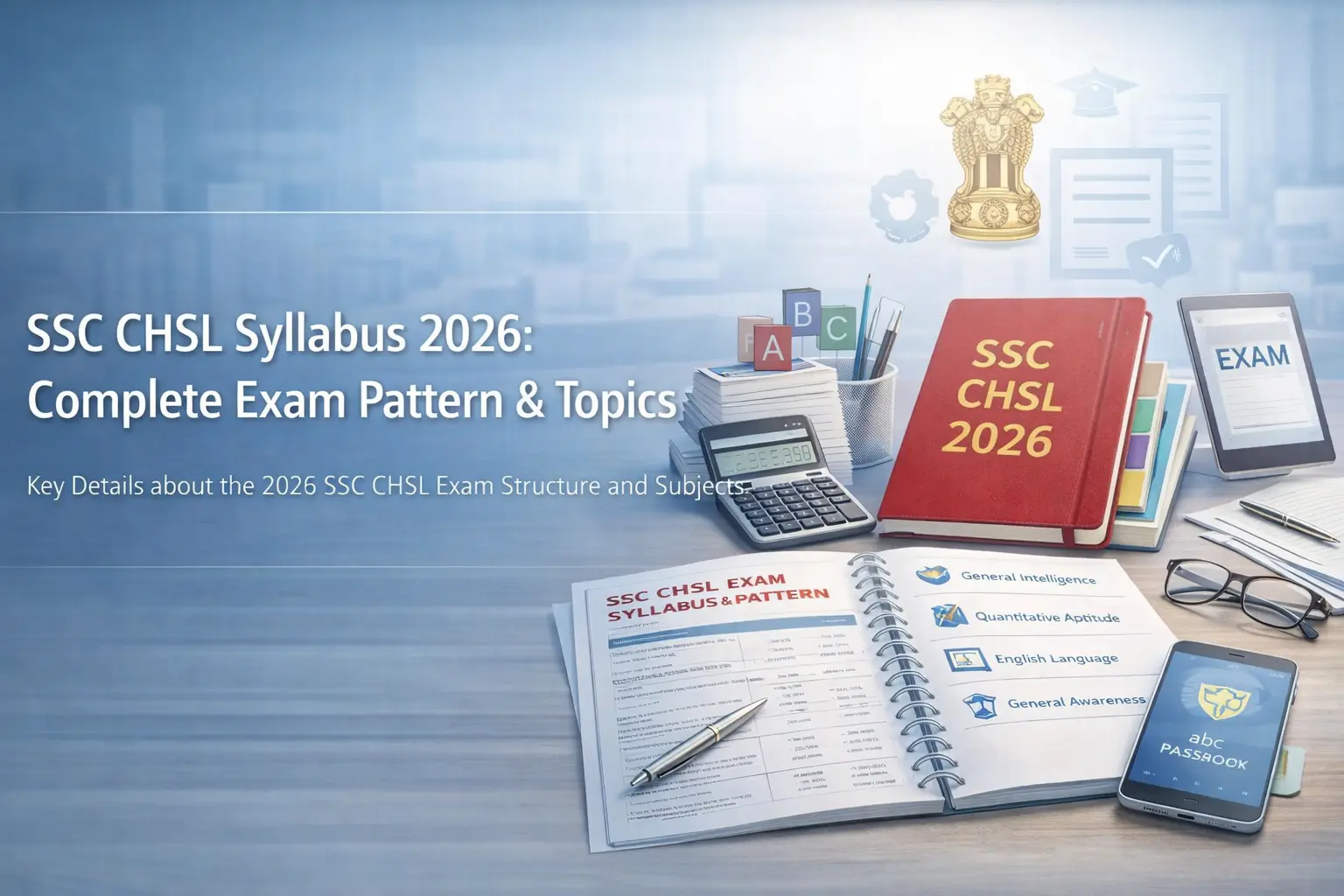
SSC CHSL Syllabus
NEW
EPFO 3.0 is Here: 7 Major Changes Every Employee Must Know
NEW