Theory of Computation MCQ
The Theory of Computation is a fundamental area of computer science that explores the principles of computation, automata, languages, and algorithms. Our collection of MCQs (Multiple Choice Questions) on the Theory of Computation helps learners and professionals assess their understanding of key topics, including finite automata, regular languages, Turing machines, and complexity theory. Whether you are studying for exams or preparing for technical interviews, these MCQs provide a thorough review of theoretical computer science concepts, aiding in the development of problem-solving skills and the deepening of theoretical knowledge.
Q1. Which of the following is the main study area of Theory of Computation?
📘 View ExplanationQ2. Which automaton recognizes regular languages?
📘 View ExplanationQ3. Which automaton recognizes context-free languages?
📘 View ExplanationQ4. Which machine can solve all problems that are algorithmically solvable?
📘 View ExplanationQ5. Which of the following is NOT a formal language type?
📘 View ExplanationQ6. Which is an example of a regular expression?
📘 View ExplanationQ7. What is the main difference between DFA and NFA?
📘 View ExplanationQ8. Which machine has memory in the form of a stack?
📘 View ExplanationQ9. Which problem is undecidable?
📘 View ExplanationQ10. Which language type is more powerful than context-free but less than Turing-recognizable?
📘 View ExplanationQ11. Which diagram represents state transitions?
📘 View ExplanationQ12. Which of the following is a property of regular languages?
📘 View ExplanationQ13. Which is a type of Turing Machine?
📘 View ExplanationQ14. Which is an example of context-free language?
📘 View ExplanationQ15. Which automaton can recognize the language {a^n b^n | n ≥ 0}?
📘 View ExplanationQ16. Which of the following is true for NFA and DFA?
📘 View ExplanationQ17. Which machine uses unlimited tape as memory?
📘 View ExplanationQ18. Which language class is also known as recursively enumerable?
📘 View ExplanationQ19. Which of the following represents a formal grammar?
📘 View ExplanationLatest Blogs

RRB Group D CBT-1 Exam Date 2026 Out: Check Exam Schedule, Vacancy, Eligibility & Latest Updates
NEW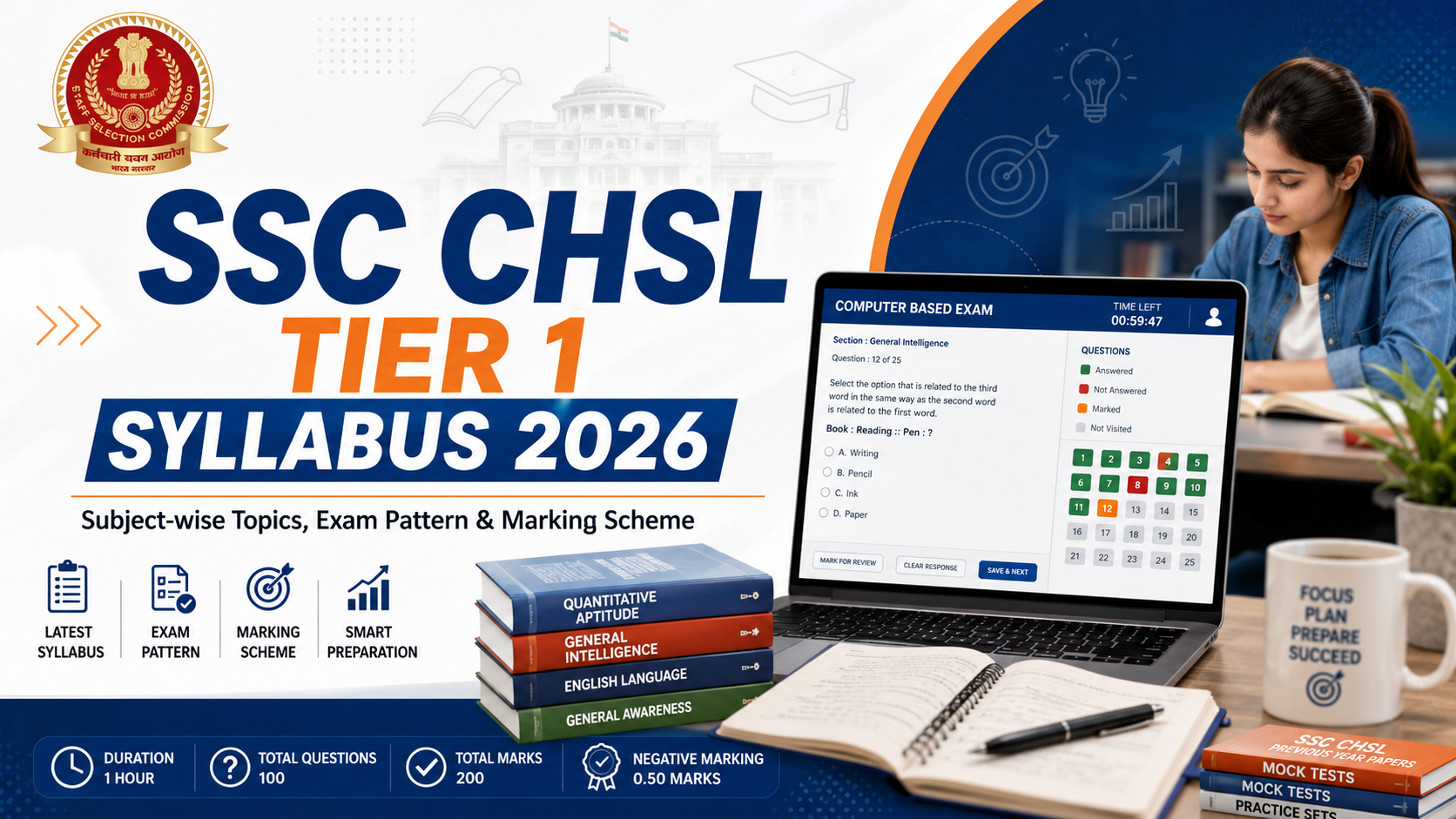
SSC CHSL Tier 1 Syllabus 2026
NEW
AngularJS Interview Questions and Answers
NEW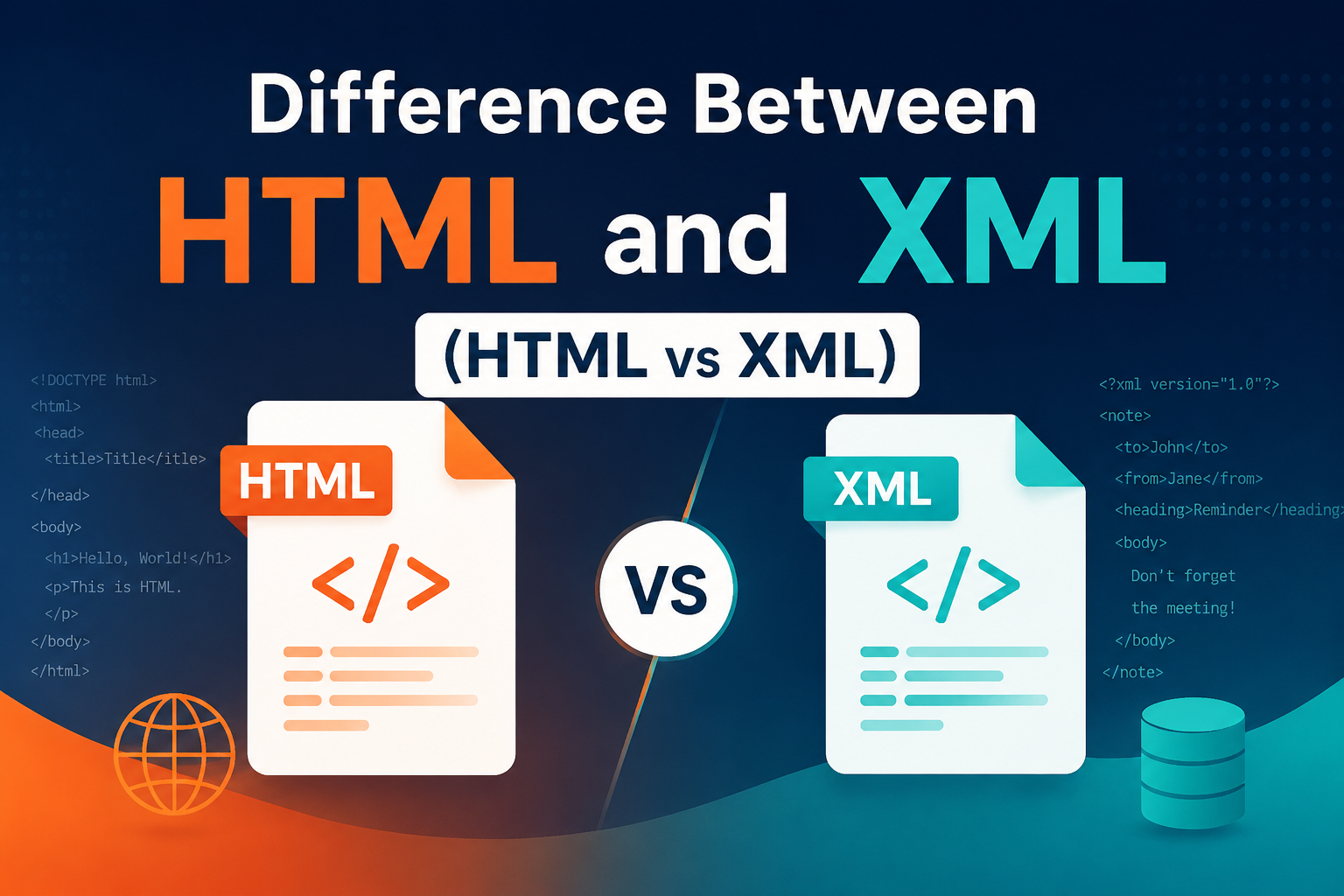
Difference Between HTML and XML (HTML vs XML)
NEW
CBSE 12th Result 2026 Re-Evaluation: Apply Online, Fees, Last Date & Step-by-Step Process Explained
NEW
NEET UG 2026 Re-Exam Date Announced: Check New Exam Date, Schedule & Latest Updates
NEW
Understanding the SSC Phase 14 Exam: A Comprehensive Overview
NEW
Top Study Tips for Cracking Your Exams with Confidence
NEW
Aerospace Engineering: Scope, Courses & Career Opportunities
NEW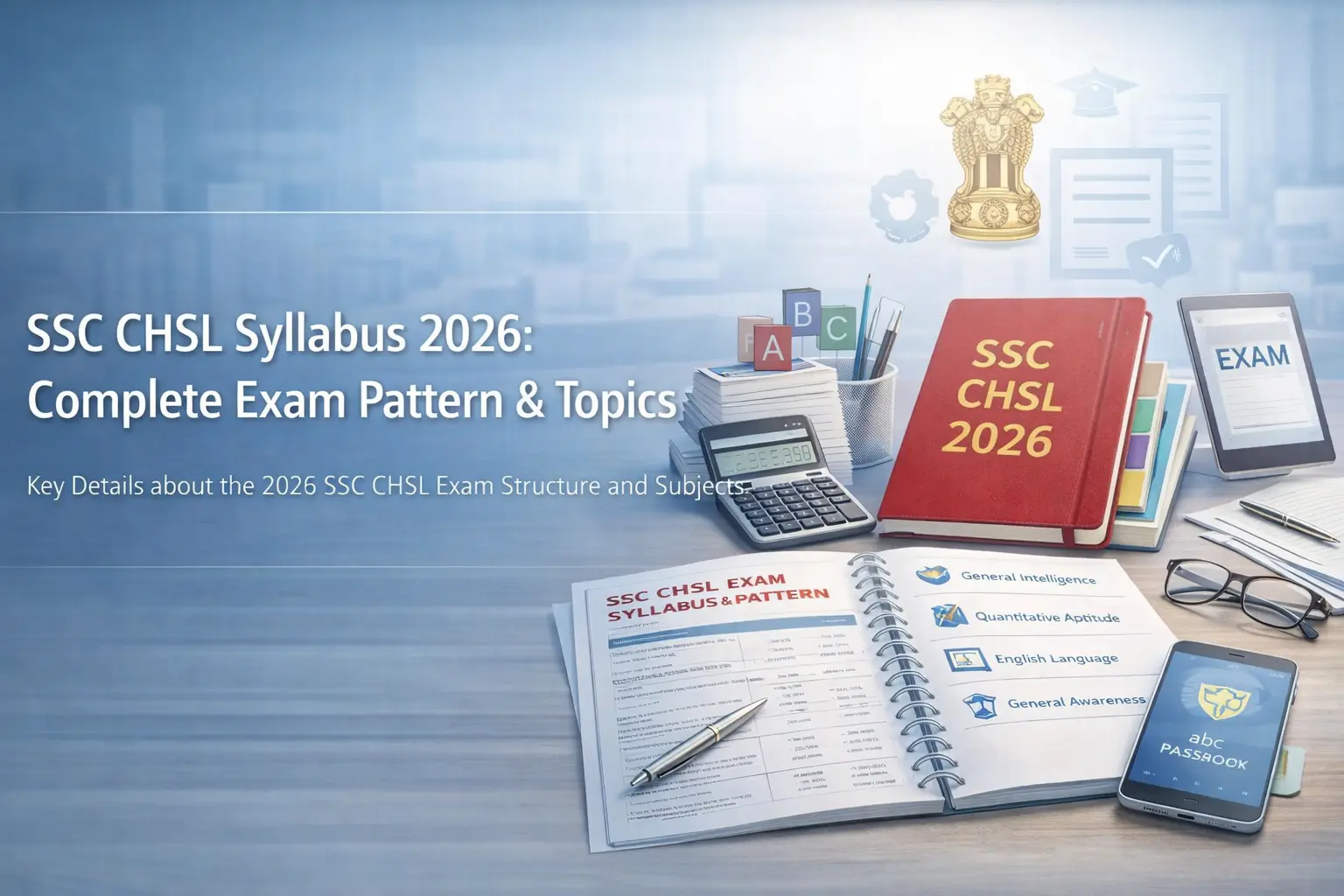
SSC CHSL Syllabus
NEW
EPFO 3.0 is Here: 7 Major Changes Every Employee Must Know
NEW