ESIC Officer MCQs
This part of the ESIC Officer (Fire) MCQs will act as a catalyst in your preparation for the Employees' State Insurance Corporation (ESIC) Officer exam. Not only do the multiple-choice questions in this collection cover the whole syllabus of the ESIC Officer exam, but follow them through answering questions such as General Awareness, Quantitative Aptitude, General Reasoning and English Language Skills. It is not only recommended that candidates practice these MCQs to gain the most accurate idea of their likely performance and to manage their time more effectively. However, it is also advisable that they make a statistical analysis of the results. This will enable them to identify their weak spots and undergo further solid preparation in those areas. This will improve their understanding of the ESIC Officer exam syllabus as a whole while building their sense of self-confidence as they head into an exam. As a competitive examination, the ESIC Officer exam requires candidates to plan meticulously for success. This collection will give you practice in what subjects you need to improve at and help sharpen all your skills. Whether you are starting your preparation or revising immediately before the exam, the chances of you becoming an ESIC Officer significantly improve through practice with these MCQs. Consistent and diligent preparation with a correct understanding of the exam syllabus is the key to success in this fiercely competitive and tough exam.
Correct Answer: A
Q2. Which of the following is a key function of ESIC?
Correct Answer: B
Q3. In which year was the Employees State Insurance Act passed in India?
Correct Answer: A
Q4. Which ministry oversees the operations of ESIC in India?
Correct Answer: B
Q5. What is the primary objective of the Employee State Insurance Act, 1948?
Correct Answer: A
Q6. Which of the following is NOT a benefit provided by ESIC?
Correct Answer: B
Q7. What is the maximum duration for which employees can avail sickness benefits under ESIC?
Correct Answer: B
Q8. Which type of workers are covered under the ESIC Act?
Correct Answer: A
Q9. Which of the following is the eligibility criterion for employees to be covered under ESIC?
Correct Answer: A
Q10. What is the contribution rate for employees covered under ESIC?
Correct Answer: A
Q11. Which of the following medical benefits is provided under the ESIC scheme?
Correct Answer: D
Q12. What is the full form of "IP" in the context of ESIC?
Correct Answer: A
Q13. Which of the following health services is NOT provided by ESIC hospitals?
Correct Answer: C
Q14. Which scheme does ESIC provide for female workers?
Correct Answer: A
Q15. Which of the following is a feature of the "Employee State Insurance" program?
Correct Answer: D
Q16. What is the minimum monthly salary limit for employees to be eligible for ESIC benefits?
Correct Answer: B
Correct Answer: B
Q18. What is the role of "ESIC Employees" in the overall functioning of the organization?
Correct Answer: D
Q19. Which of the following is a function of the ESIC’s "Medical Benefit Scheme"?
Correct Answer: D
Correct Answer: B
Q21. What is the role of the ESIC Fund?
Correct Answer: A
Q22. Which of the following is NOT a benefit provided under the ESIC scheme?
Correct Answer: C
Q23. Who is eligible for the maternity benefit under the ESIC scheme?
Correct Answer: C
Q24. What is the maximum percentage of wages provided as sickness benefit by ESIC?
Correct Answer: B
Q25. Which of the following does NOT come under the purview of the ESIC?
Correct Answer: D
Q26. What is the full form of "ESI" in the context of Indian insurance?
Correct Answer: B
Q27. What is the role of the "ESIC Medical Benefit Scheme"?
Correct Answer: A
Q28. Which of the following is the primary contribution made by the employee under the ESIC scheme?
Correct Answer: A
Q29. How is the ESIC scheme funded?
Correct Answer: B
Q30. What does the term "injured person" (IP) mean in ESIC terminology?
Correct Answer: B
Q31. Which of the following is a benefit of the ESIC pension scheme?
Correct Answer: B
Q32. Which government scheme works alongside ESIC to provide financial security for workers?
Correct Answer: C
Q33. Which is the first step in claiming benefits under the ESIC scheme?
Correct Answer: B
Q34. Which of the following is the main source of revenue for ESIC?
Correct Answer: A
Q35. Which of the following health conditions is NOT covered by ESIC?
Correct Answer: D
Q36. What is the full form of "IP" in the context of ESIC?
Correct Answer: A
Q37. What is the role of the "Insurance Officer" in the ESIC scheme?
Correct Answer: A
Q38. What is the amount of wage contribution that employees have to make towards the ESIC scheme?
Correct Answer: A
Q39. What is the primary objective of the "Sickness Benefit" under the ESIC scheme?
Correct Answer: A
Q40. Which of the following is a feature of the "Maternity Benefit" provided by ESIC?
Correct Answer: D
Latest Blogs

CBSE 2027 Exam Timetable Updates: Class 10 & 12 Date Sheet
NEW
Chemical Reactions and Equations Class 10 Important Questions and Answers
NEW
NCERT Solutions for Class 10 Science – Chapter-Wise Guide and Exam Preparation
NEW
SSC Exam Preparation: Complete Guide for Beginners
NEW
RRB Group D Answer Key 2026 Out: Check Response Sheet & Objection
NEW
How Java Differs from C and C++
NEW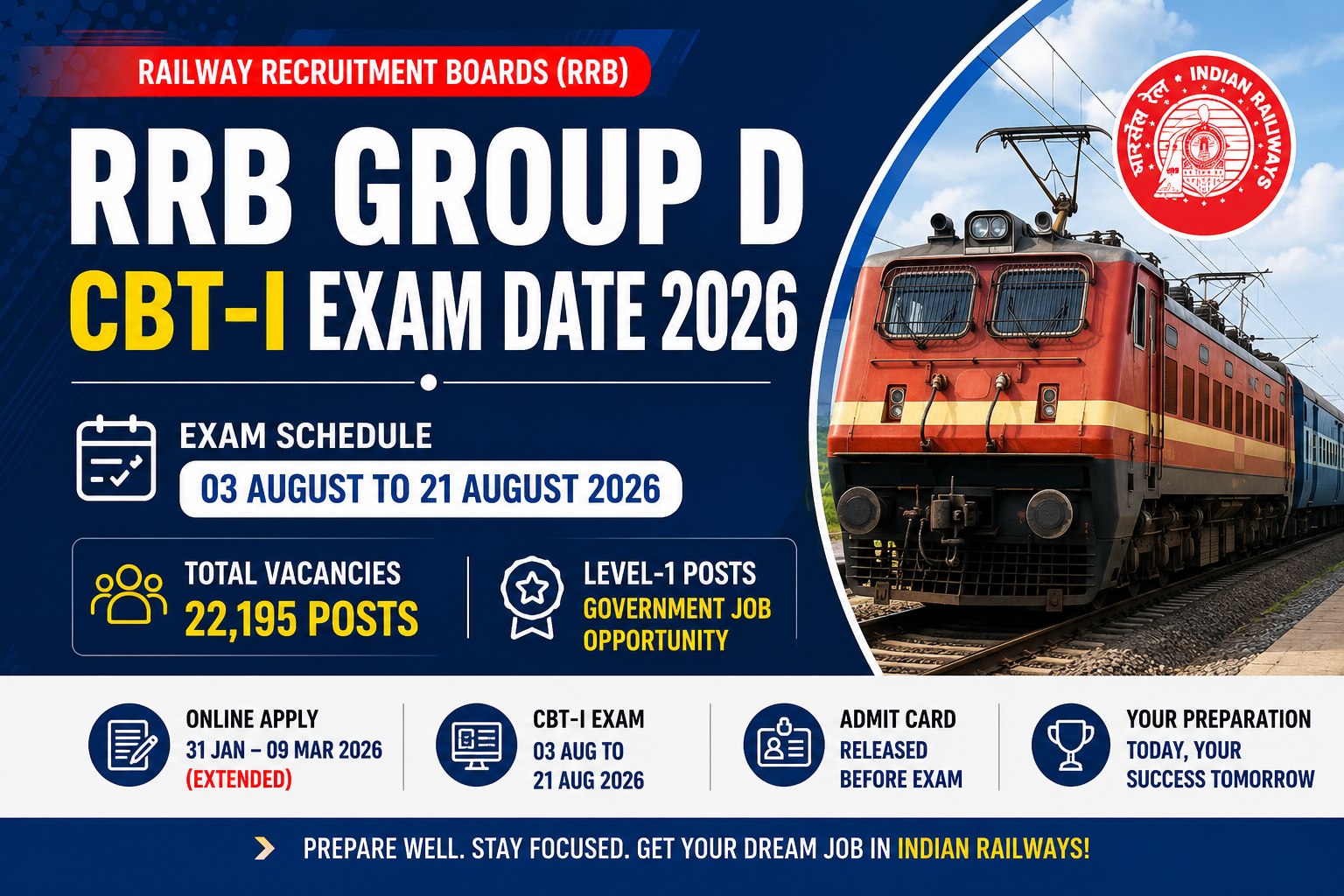
RRB Group D CBT-1 Exam Date 2026 Out: Check Exam Schedule, Vacancy, Eligibility & Latest Updates
NEW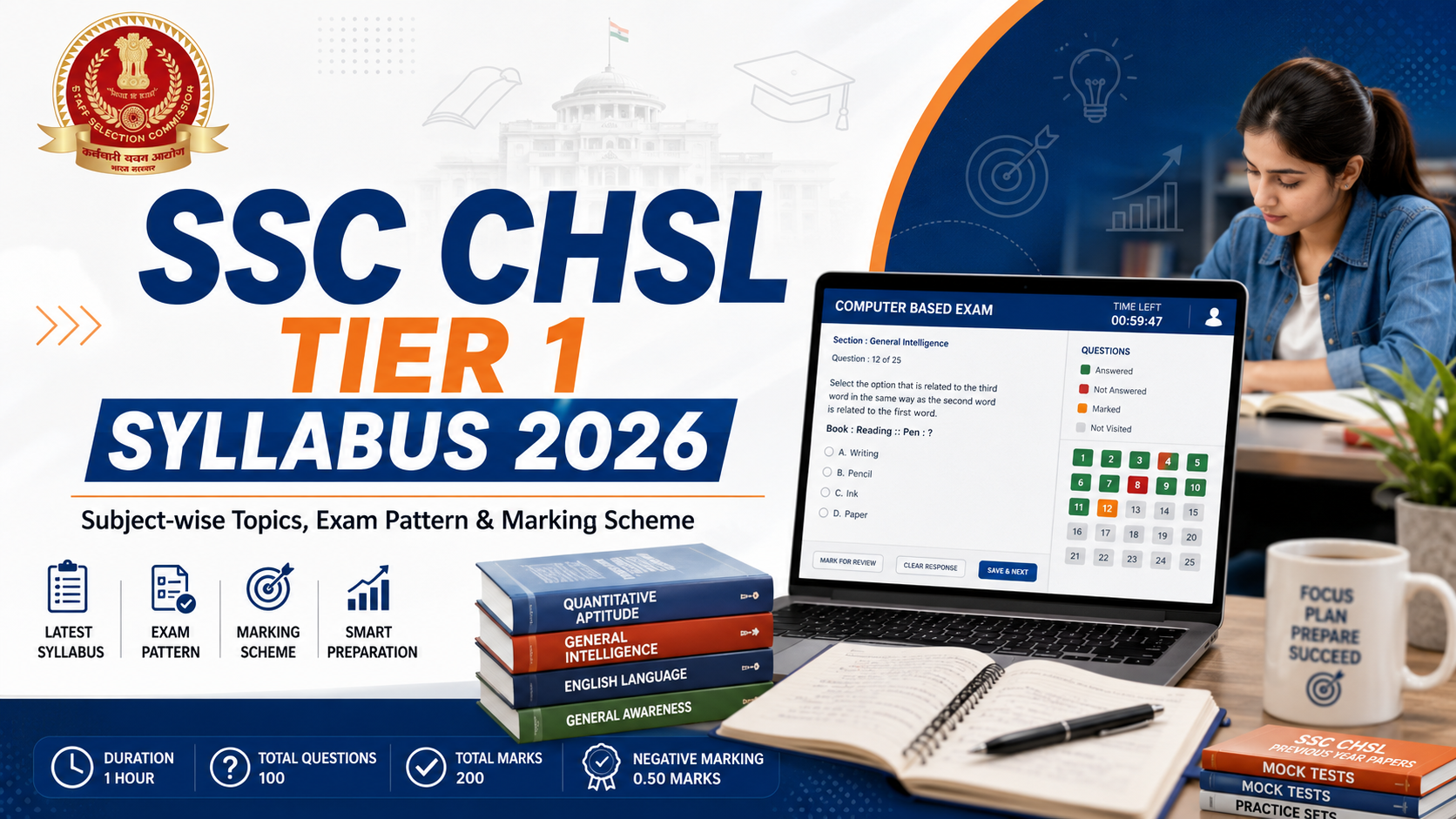
SSC CHSL Tier 1 Syllabus 2026
NEW
AngularJS Interview Questions and Answers
NEW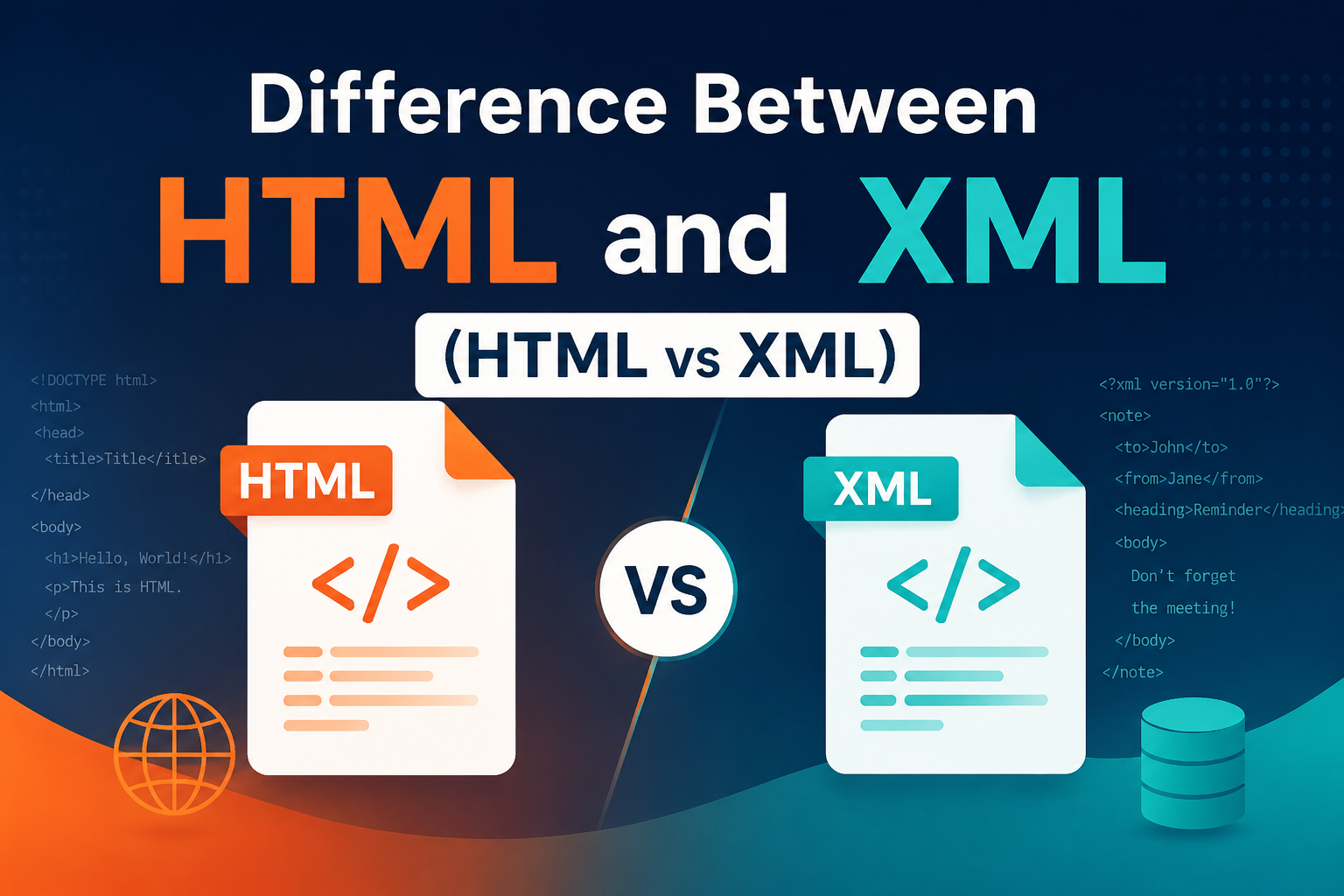
Difference Between HTML and XML (HTML vs XML)
NEW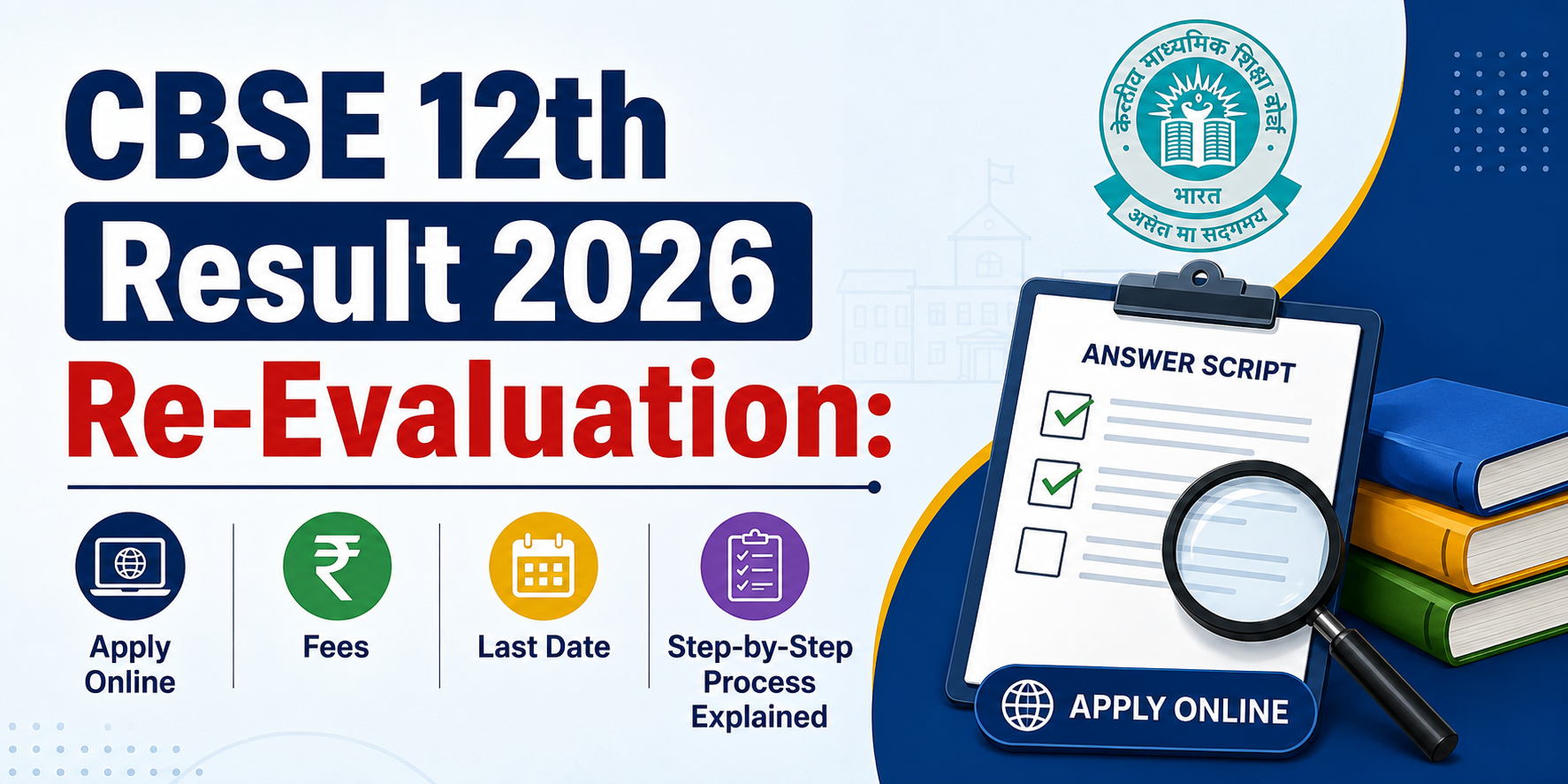
CBSE 12th Result 2026 Re-Evaluation: Apply Online, Fees, Last Date & Step-by-Step Process Explained
NEW