Orthopedic Bioengineering MCQ - Page 2
The Orthopedic Bioengineering MCQ Quiz is a well defined test to assess the knowledge of the engineering principles in order to come up with an orthopedic solution. This quiz cover important aspects of this rapidly growing interdisciplinary field including biomechanics, biomaterials, orthopedic implants, prosthesis (Artificial limbs), tissue engineering, fracture fixation and musculoskeletal system mechanics.
Designed to aid in academic learning and exam preparation, each quiz contains thousands of multiple-choice questions which test theoretical principles alongside their application. Students are challenged to apply qualitative and quantitative reasoning and critical thinking to address problems encountered in orthopedic research, clinical practice, or biomedical engineering.
This assignment has been designed for the undergraduate and postgraduate students who are looking for biomedical engineering, bioengineering, orthopedics, rehabilitation sciences and related fields of health care. Completing the quiz allows learners to evaluate their ability to apply concepts in orthopedic bioengineering while identifying areas for improvement early, before entering clinical practice.
Saving time and energy, MCQ practices are conducive to develop subject knowledge, score better in exams and form the basis of lifelong clinical practice. Introduction to Orthopedic Bioengineering™ Quiz 2015-10-19 Educational Whether for self-assessment, or a classroom activity or to prepare for high stakes competitive exams – this Orthopedic Bioengineering Quiz can be useful tool when learning orthopaedic bioengineering.
Q41. What is the function of the pylon in a prosthetic limb?
📘 View ExplanationQ42. Socket fit is important because:
📘 View ExplanationQ43. In lower limb prosthetics, suspension refers to:
📘 View ExplanationQ44. Which material is often used in prosthetic feet for durability?
📘 View ExplanationQ45. A Knee-Ankle-Foot Orthosis (KAFO) is used to:
📘 View ExplanationQ46. Shock absorption in prosthetic limbs is provided by:
📘 View ExplanationQ47. Energy storing foot prostheses:
📘 View ExplanationQ48. Prosthetic gait training primarily teaches:
📘 View ExplanationQ49. Power grip prosthetic hands are mostly:
📘 View ExplanationQ50. A key design principle of sockets is to:
📘 View ExplanationQ51. Which of these prosthetic materials is non-biodegradable?
📘 View ExplanationQ52. Terminal device in upper limb prosthetics is:
📘 View ExplanationQ53. Prosthetic knees with pneumatic swing control provide:
📘 View ExplanationQ54. Suspension system in prosthetics:
📘 View ExplanationQ55. SACH foot is:
📘 View ExplanationQ56. Microprocessor-controlled prosthetic knees:
📘 View ExplanationQ57. “Shuffle gait” indicates:
📘 View ExplanationQ58. Prosthetic functional testing assesses:
📘 View ExplanationQ59. Occupational therapy in prosthetics focuses on:
📘 View ExplanationQ60. Bilateral prosthetics means:
📘 View ExplanationQ61. Key factor for assessing prosthetic suspension is:
📘 View ExplanationQ62. Carbon fiber in prosthetics offers:
📘 View ExplanationQ63. Ischial containment socket is for:
📘 View ExplanationQ64. Appropriate shoe for flat foot patients includes:
📘 View ExplanationQ65. How often should prosthetic devices undergo maintenance?
📘 View ExplanationQ66. Gait analysis uses:
📘 View ExplanationQ67. Residual limb volume affects:
📘 View ExplanationQ68. Which prosthetic control uses muscle bioelectrical signals?
📘 View ExplanationLatest Blogs
RRB Group D CBT-1 Exam Date 2026 Out: Check Exam Schedule, Vacancy, Eligibility & Latest Updates
NEW
SSC CHSL Tier 1 Syllabus 2026
NEW
AngularJS Interview Questions and Answers
NEW
Difference Between HTML and XML (HTML vs XML)
NEW
CBSE 12th Result 2026 Re-Evaluation: Apply Online, Fees, Last Date & Step-by-Step Process Explained
NEW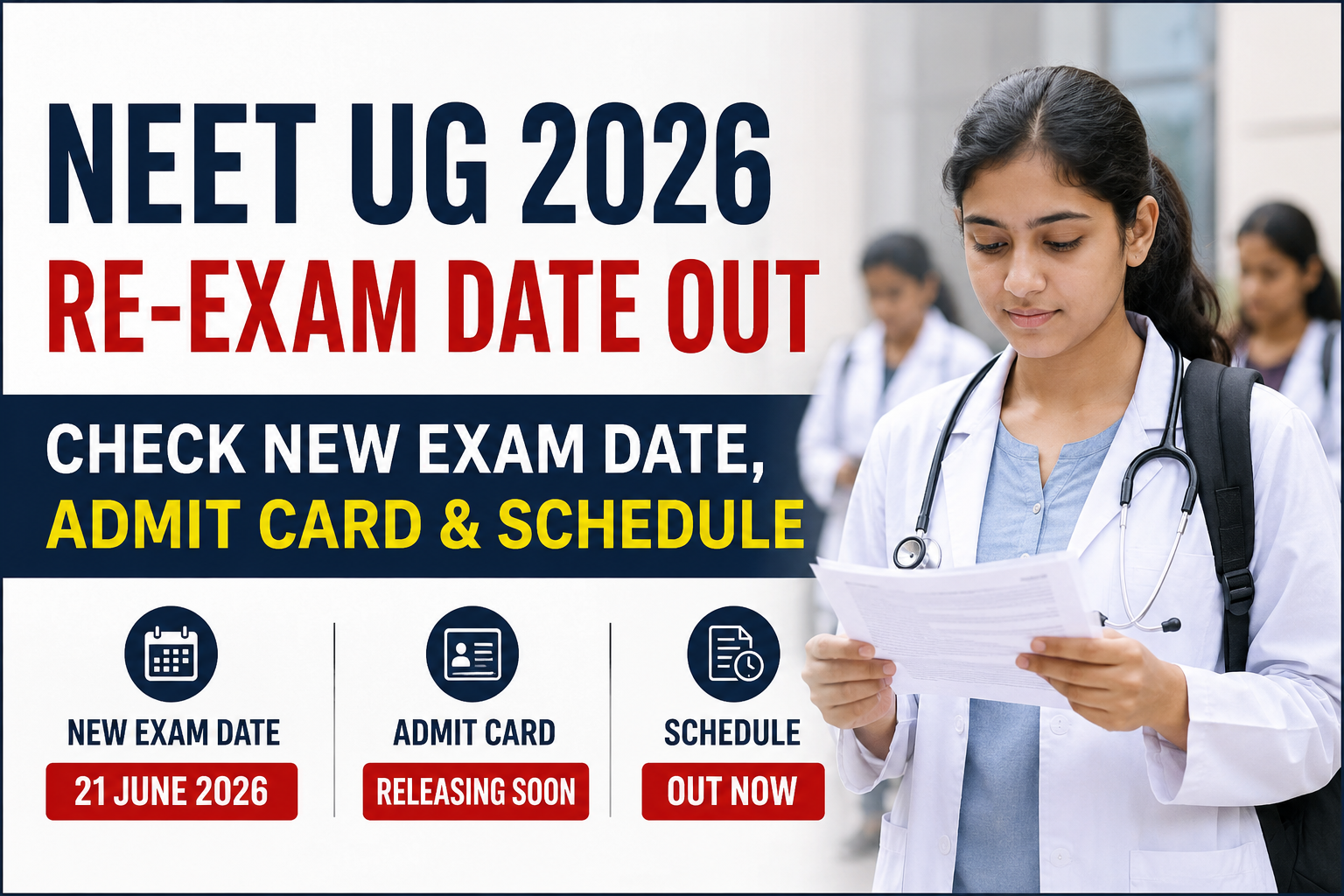
NEET UG 2026 Re-Exam Date Announced: Check New Exam Date, Schedule & Latest Updates
NEW
Understanding the SSC Phase 14 Exam: A Comprehensive Overview
NEW
Top Study Tips for Cracking Your Exams with Confidence
NEW
Aerospace Engineering: Scope, Courses & Career Opportunities
NEW
SSC CHSL Syllabus
NEW
EPFO 3.0 is Here: 7 Major Changes Every Employee Must Know
NEW