Civil Engineering MCQs
Civil Engineering MCQs are an essential resource for students, engineers, job seekers, and competitive exam aspirants who want to strengthen their technical knowledge and improve exam performance. This section provides unique, professional, and well-structured multiple-choice questions covering the major branches of civil engineering, including Structural Engineering, Surveying, Building Materials, Concrete Technology, Soil Mechanics, Fluid Mechanics, Hydraulics, Transportation Engineering, Environmental Engineering, Construction Management, Estimation, and RCC Design.
Each MCQ is designed to test conceptual understanding, practical knowledge, problem-solving ability, and exam readiness. These questions are useful for university exams, diploma and degree-level preparation, government job tests, technical interviews, site engineer interviews, and professional certification exams. The content helps learners revise important topics quickly and identify weak areas for further study.
Our Civil Engineering MCQs are written in a clear and simple format, making them easy to understand for beginners as well as advanced learners. The questions focus on both theoretical concepts and practical applications used in real-world civil engineering projects. Whether you are preparing for competitive exams, improving your technical skills, or practicing for an interview, these MCQs can help you build confidence and accuracy.
This collection is regularly useful for civil engineering students, junior engineers, site engineers, quantity surveyors, construction professionals, and anyone interested in civil engineering knowledge. By practicing these MCQs, users can improve speed, accuracy, and subject clarity.
Start practicing Civil Engineering MCQs today and enhance your preparation with professional, exam-focused, and easy-to-understand questions designed to support your learning and career growth.
Q1. In structural control systems, what is the primary purpose of adding a damper?
📘 View ExplanationQ2. Which type of control system is commonly used in tall buildings to mitigate sway due to wind?
📘 View ExplanationQ3. Which control system concept is applied in base isolation for earthquake-resistant buildings?
📘 View ExplanationQ4. In control systems, the transfer function represents the relation between:
📘 View ExplanationQ5. In vibration control of bridges, which device is commonly installed to reduce oscillations caused by traffic loads?
📘 View ExplanationQ6. Which of the following is an example of an active control system in civil engineering?
📘 View ExplanationQ7. Which damping mechanism relies on material deformation to dissipate energy?
📘 View ExplanationQ8. What does PID stand for in control systems?
📘 View ExplanationQ9. In feedback control systems, feedback helps in:
📘 View ExplanationQ10. Which of the following represents an open-loop control system in civil engineering?
📘 View ExplanationQ11. Which parameter defines the resistance of a structure to vibration amplitude?
📘 View ExplanationQ12. Which control strategy is commonly used for water level regulation in civil reservoirs?
📘 View ExplanationQ13. Which civil engineering structure often uses base isolation as a control system?
📘 View ExplanationQ14. Which component of a control system compares actual output with desired output?
📘 View ExplanationQ15. In vibration analysis, resonance occurs when:
📘 View ExplanationQ16. Which type of control system continuously monitors and adjusts structural responses?
📘 View ExplanationQ17. Which structural control method is passive?
📘 View ExplanationQ18. In control system terms, overshoot refers to:
📘 View ExplanationQ19. What type of sensor is commonly used in civil control systems for vibration monitoring?
📘 View ExplanationQ20. Which mathematical tool is widely used to analyze control systems in civil engineering?
📘 View ExplanationLatest Blogs
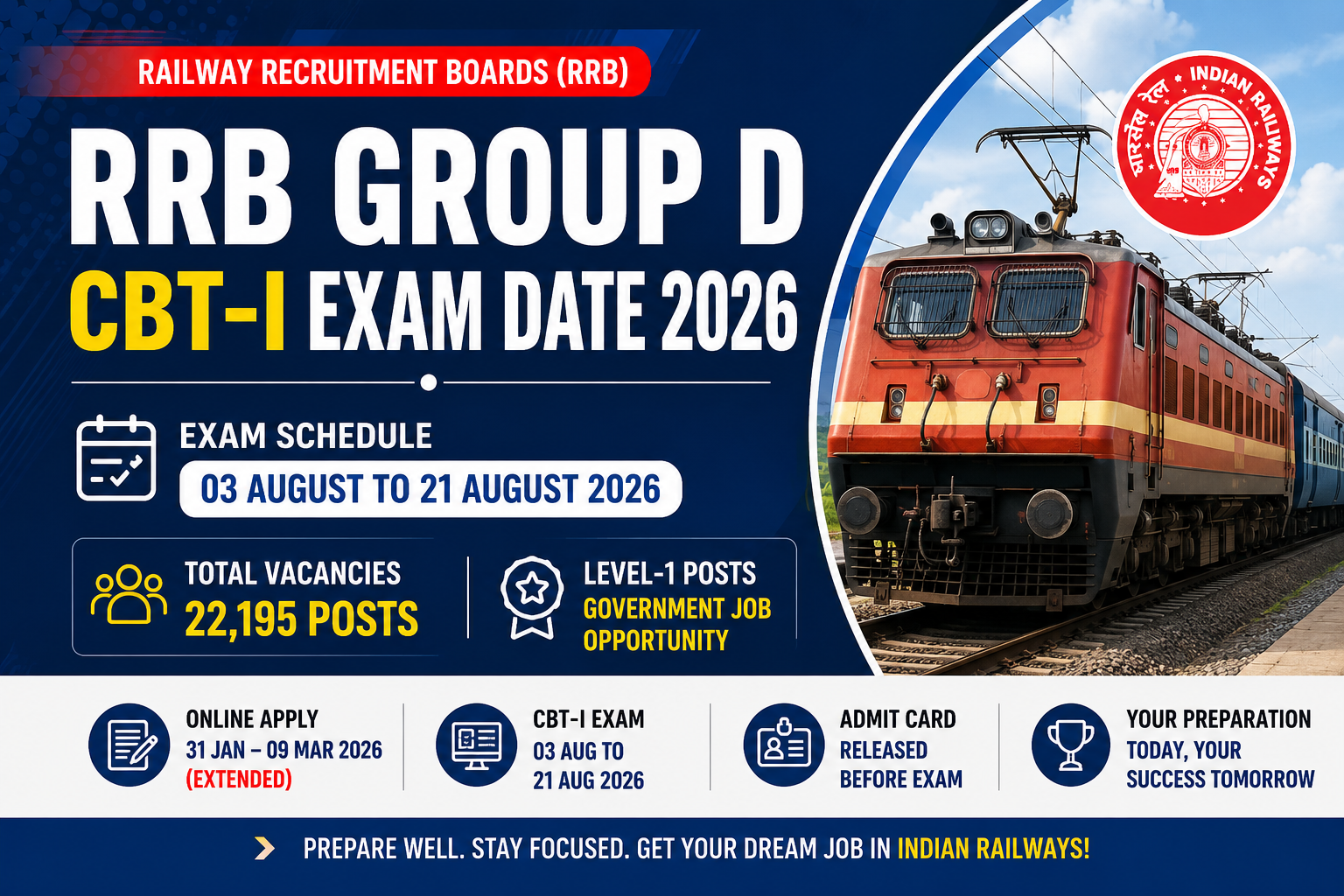
RRB Group D CBT-1 Exam Date 2026 Out: Check Exam Schedule, Vacancy, Eligibility & Latest Updates
NEW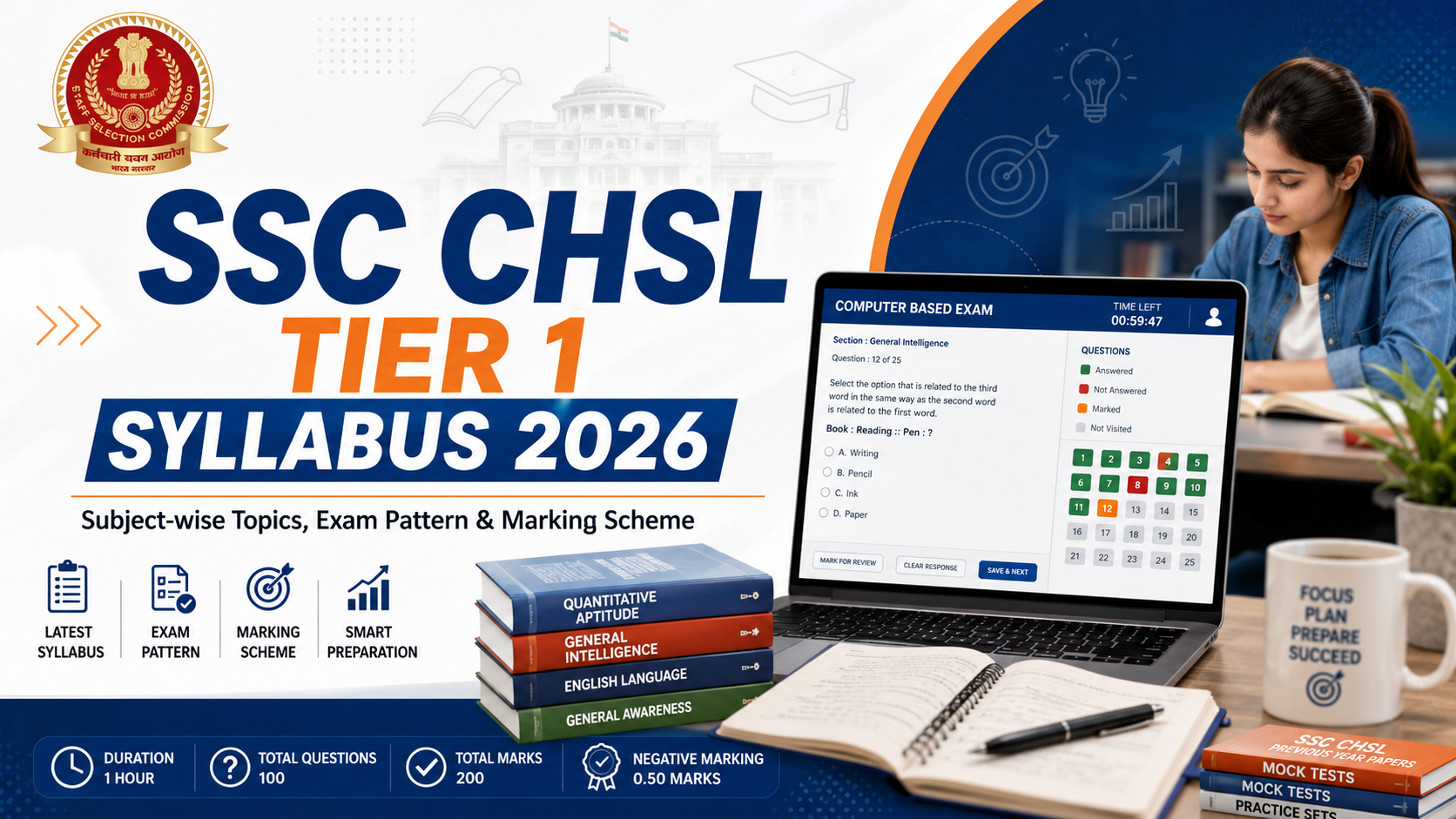
SSC CHSL Tier 1 Syllabus 2026
NEW
AngularJS Interview Questions and Answers
NEW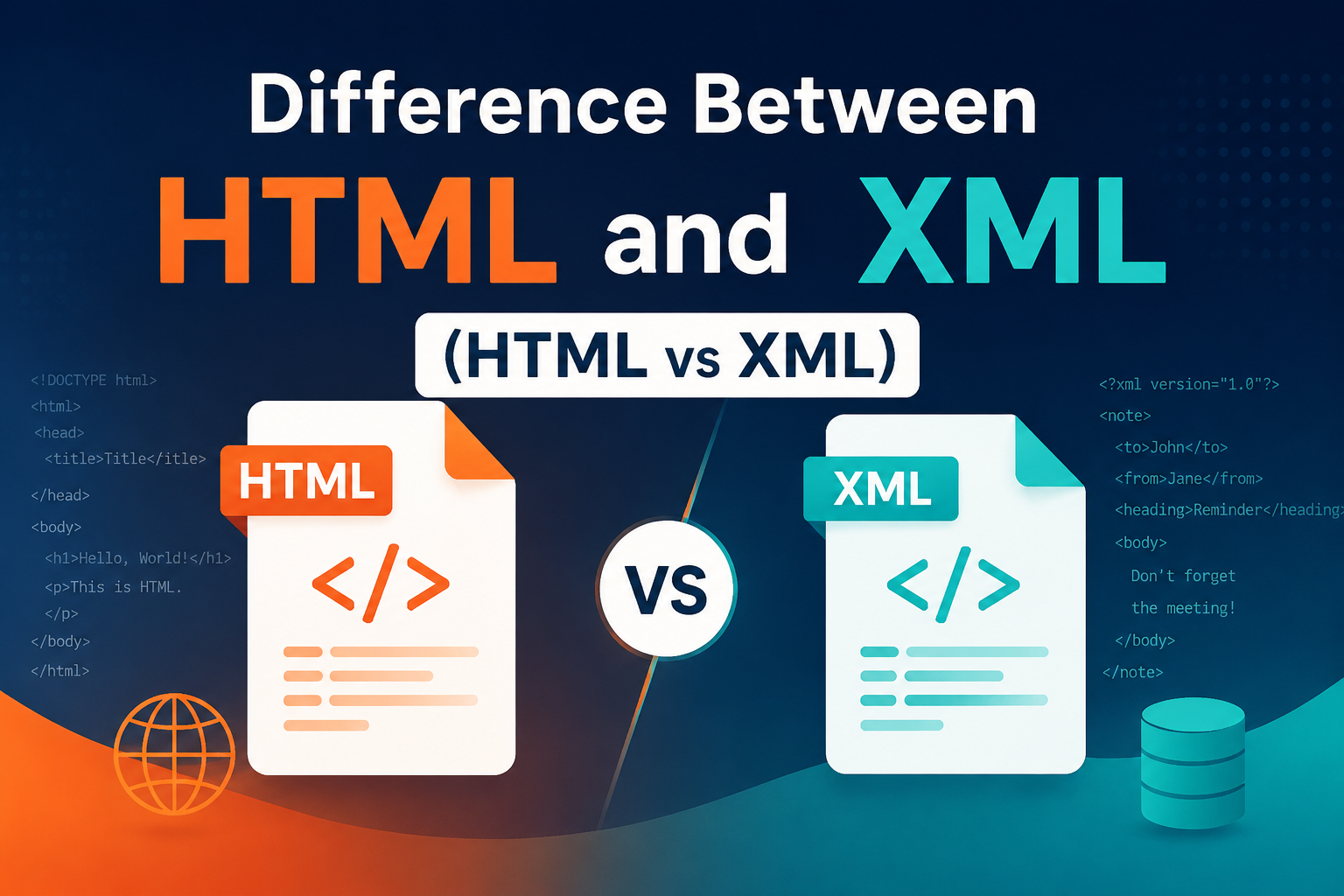
Difference Between HTML and XML (HTML vs XML)
NEW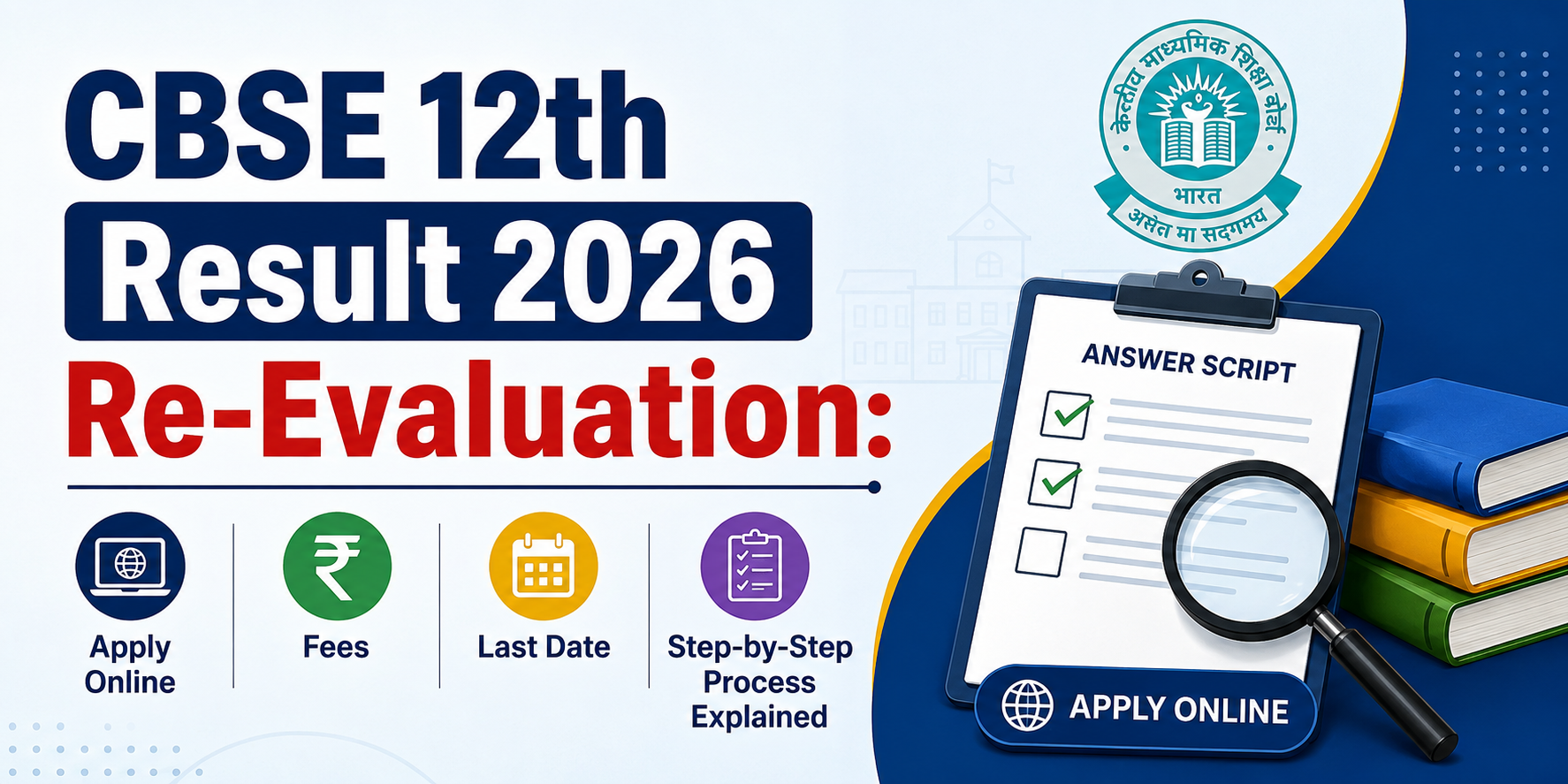
CBSE 12th Result 2026 Re-Evaluation: Apply Online, Fees, Last Date & Step-by-Step Process Explained
NEW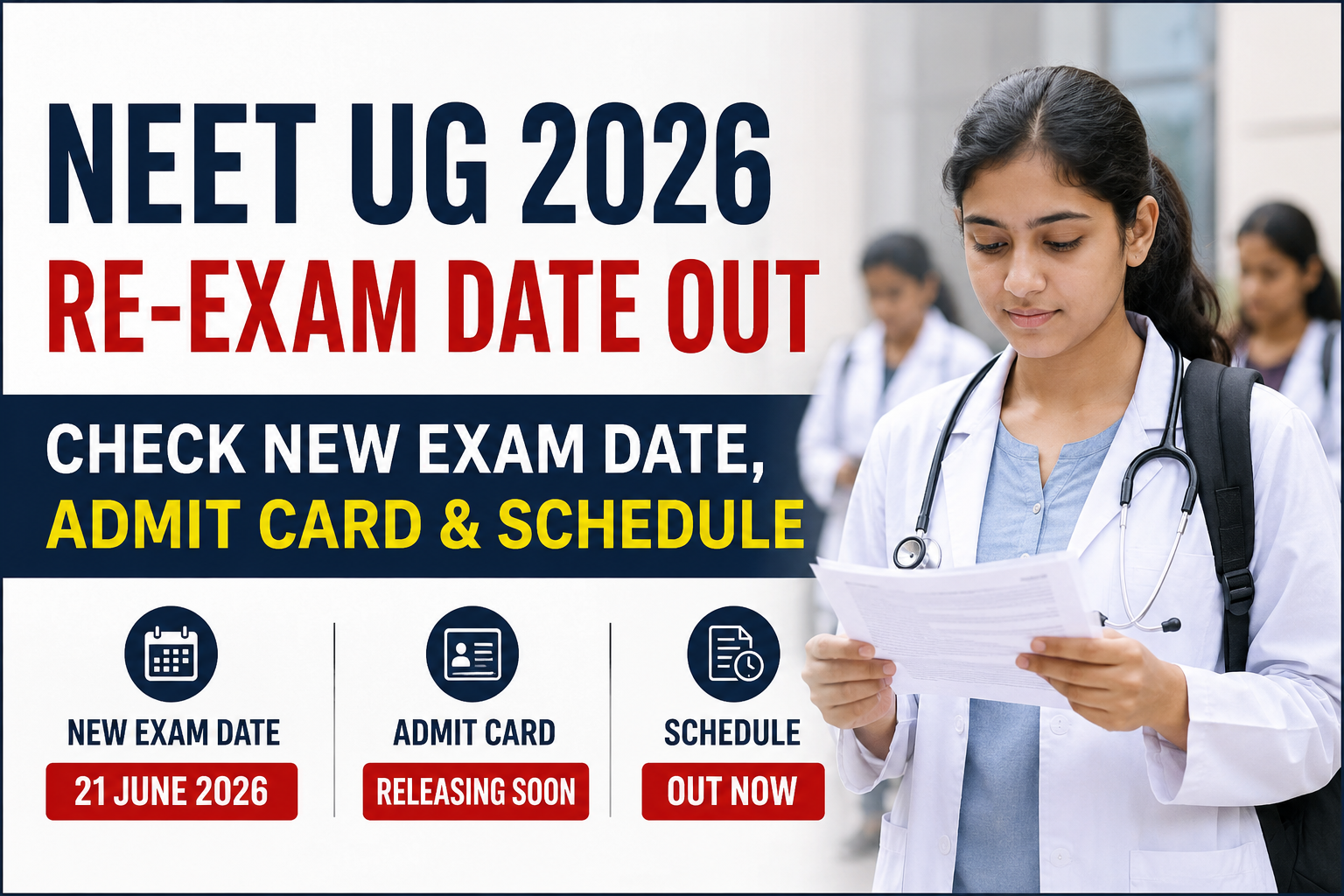
NEET UG 2026 Re-Exam Date Announced: Check New Exam Date, Schedule & Latest Updates
NEW
Understanding the SSC Phase 14 Exam: A Comprehensive Overview
NEW
Top Study Tips for Cracking Your Exams with Confidence
NEW
Aerospace Engineering: Scope, Courses & Career Opportunities
NEW
SSC CHSL Syllabus
NEW
EPFO 3.0 is Here: 7 Major Changes Every Employee Must Know
NEW