Concrete Technology MCQ
Q1. What is concrete technology?
Correct Answer: A
Q2. Concrete mainly consists of:
Correct Answer: A
Q3. Which test measures the workability of concrete?
Correct Answer: A
Q4. Which is the typical slump value for medium workability concrete?
Correct Answer: A
Q5. Setting time of cement is important for:
Correct Answer: A
Q6. Which type of cement gains strength rapidly?
Correct Answer: A
Q7. The term curing in concrete means:
Correct Answer: A
Q8. Water-cement ratio significantly affects:
Correct Answer: A
Q9. Which aggregate type improves concrete strength?
Correct Answer: A
Q10. Which admixture improves concrete workability without water addition?
Correct Answer: A
Q11. Concrete tensile strength is approximately:
Correct Answer: A
Q12. Concrete creep is:
Correct Answer: A
Q13. Concrete shrinkage causes:
Correct Answer: A
Q14. Which test assesses compressive strength of concrete?
Correct Answer: A
Q15. Which is a lightweight concrete aggregate?
Correct Answer: A
Q16. Pozzolanic cement improves:
Correct Answer: A
Q17. Which concrete type is best for cold weather?
Correct Answer: A
Q18. Which method evaluates concrete workability besides slump?
Correct Answer: A
Q19. Initial setting time of cement indicates:
Correct Answer: A
Q20. Which factor is NOT a cause of concrete deterioration?
Correct Answer: A
Q21. What is the effect of increasing water content in concrete?
Correct Answer: A
Q22. Which of the following is a mineral admixture?
Correct Answer: A
Q23. What does concrete maturity indicate?
Correct Answer: A
Q24. Which method tests concrete durability?
Correct Answer: A
Q25. Which test detects cracks in concrete non-destructively?
Correct Answer: A
Q26. In mix design, the primary objective is:
Correct Answer: A
Q27. Which concrete is resistant to chemical attack?
Correct Answer: A
Q28. Which is a special concrete type?
Correct Answer: A
Q29. Which construction chemical improves concrete waterproofing?
Correct Answer: A
Q30. Which factor influences concrete permeability?
Correct Answer: D
Q31. Slump test fails to assess:
Correct Answer: A
Q32. Which admixture accelerates concrete setting?
Correct Answer: A
Q33. Which type of aggregate has highest durability?
Correct Answer: A
Q34. The typical water-cement ratio range for normal concrete is:
Correct Answer: A
Q35. Concrete with entrained air is better in:
Correct Answer: A
Q36. Which material is a common coarse aggregate?
Correct Answer: A
Latest Blogs

NCERT Class 10 Science: Chemical Reactions and Equations – Notes, Questions and Answers
NEW
Quantum Physics for Beginners: A Simple Guide to Key Concepts, Examples and Applications
NEW
Top 20 Social Bookmarking Websites with High DA, PA and Low Spam Score
NEW
CBSE 2027 Exam Timetable Updates: Class 10 & 12 Date Sheet
NEW
Chemical Reactions and Equations Class 10 Important Questions and Answers
NEW
NCERT Solutions for Class 10 Science – Chapter-Wise Guide and Exam Preparation
NEW
SSC Exam Preparation: Complete Guide for Beginners
NEW
RRB Group D Answer Key 2026 Out: Check Response Sheet & Objection
NEW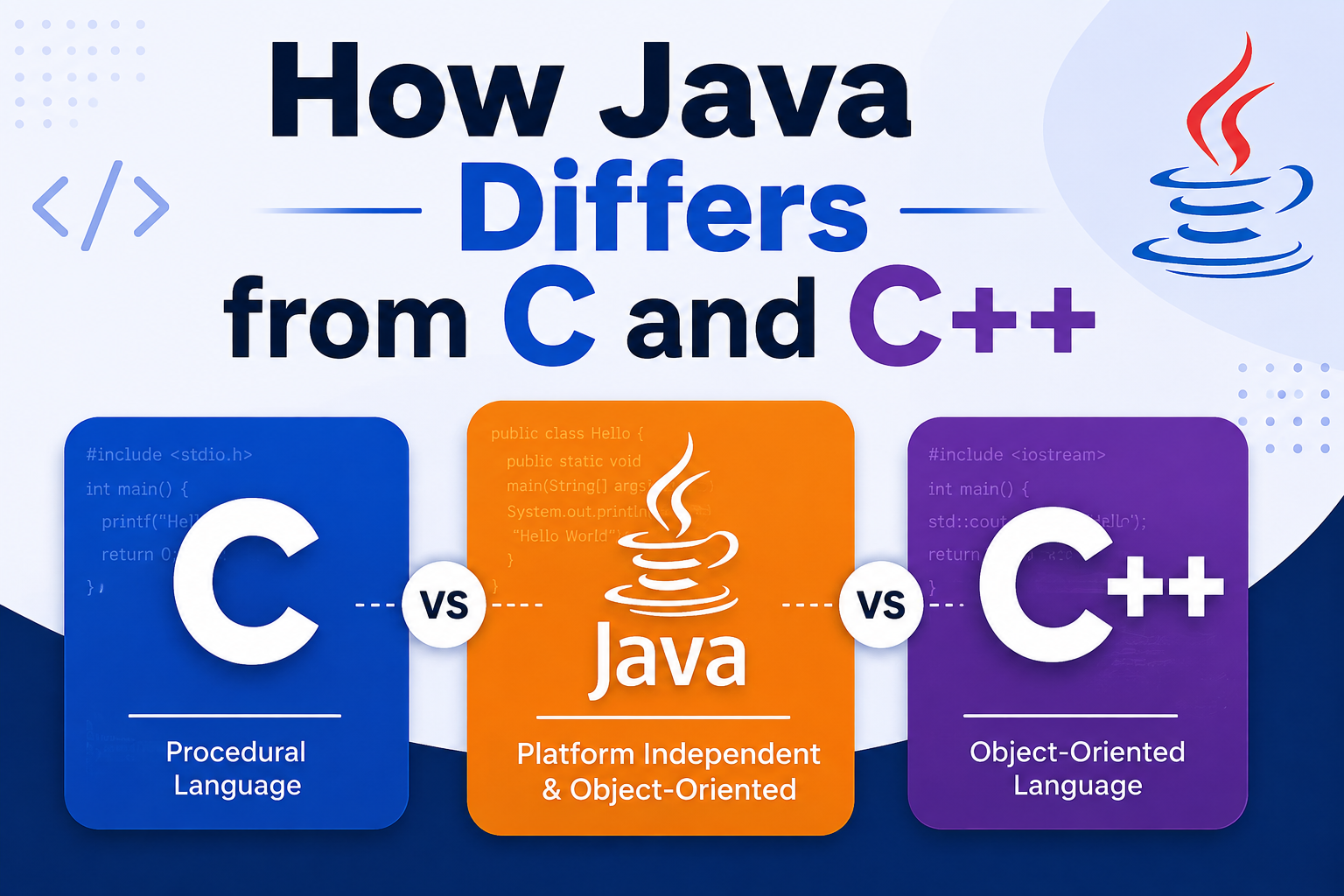
How Java Differs from C and C++
NEW
RRB Group D CBT-1 Exam Date 2026 Out: Check Exam Schedule, Vacancy, Eligibility & Latest Updates
NEW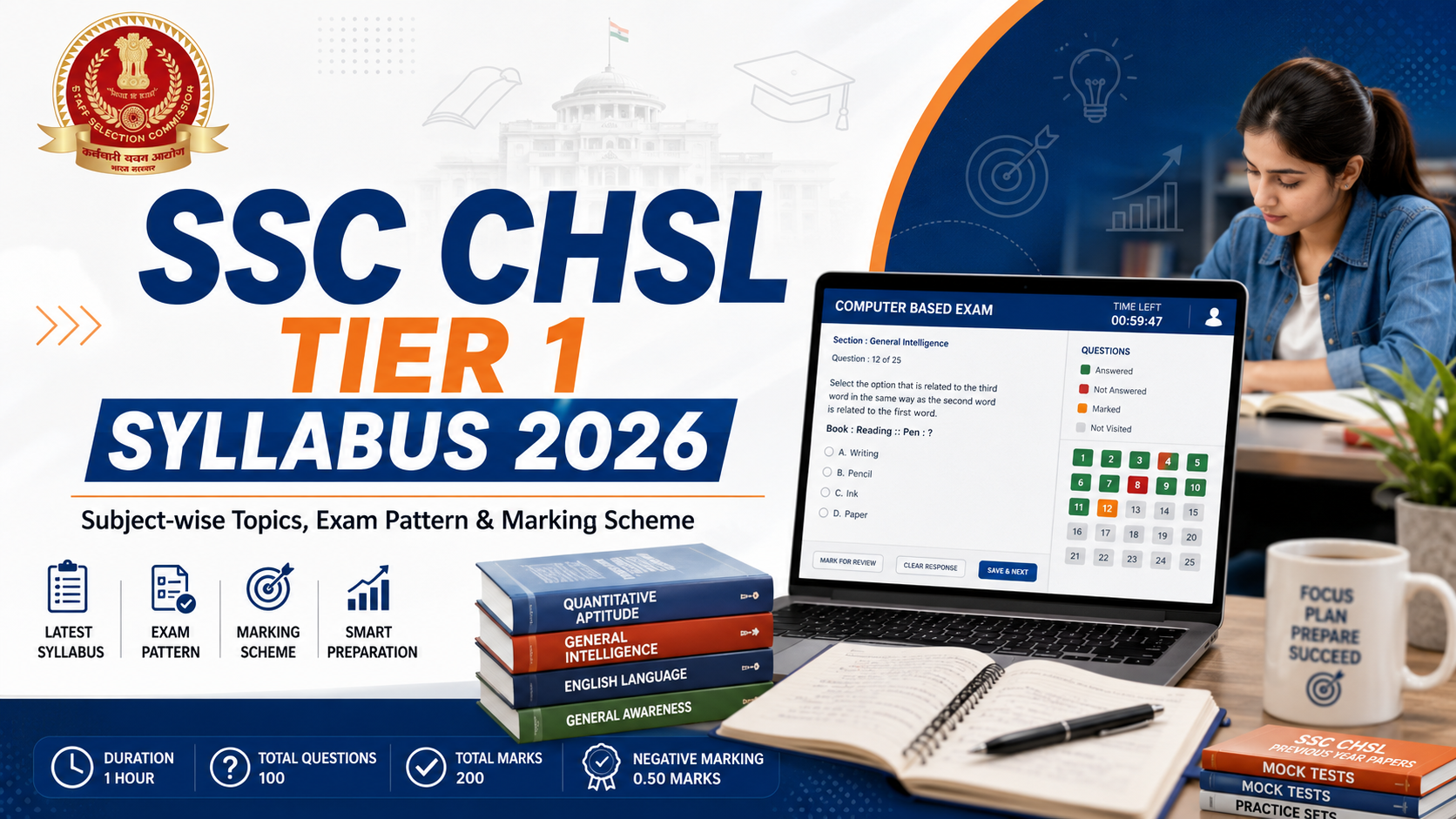
SSC CHSL Tier 1 Syllabus 2026
NEW