UPSC Indian Administrative Service (IAS) MCQs
Prepare for the UPSC Indian Administrative Service (IAS) exam with an extensive collection of multiple-choice questions (MCQs). These MCQs cover essential subjects like General Studies, Indian Polity, History, Geography, and Current Affairs, designed to reflect the actual exam pattern. By practicing these questions, candidates can strengthen their understanding of key concepts, improve time management, and sharpen problem-solving skills. Whether you're reviewing core topics or assessing your exam readiness, these IAS MCQs are an invaluable resource to guide you toward success in the UPSC IAS exam and a prestigious career in the Indian Administrative Service.
Q1. Who was the main architect of the Indian Constitution?
📘 View ExplanationQ2. Which Article of the Indian Constitution deals with the Right to Equality?
📘 View ExplanationQ3. The Indian National Congress was founded in the year:
📘 View ExplanationQ4. Which river in India is known as the “Sorrow of Bihar”?
📘 View ExplanationQ5. Fundamental Duties were introduced in the Constitution by the:
📘 View ExplanationQ6. Which is the largest gland in the human body?
📘 View ExplanationQ7. The “Quit India Movement” was launched in:
📘 View ExplanationQ8. Which of the following is NOT a renewable source of energy?
📘 View ExplanationQ9. What is the term of the Rajya Sabha?
📘 View ExplanationQ10. The “Right to Information Act” came into force in which year?
📘 View ExplanationQ11. Who appoints the Chief Justice of India?
📘 View ExplanationQ12. Which mountain range separates India and Tibet?
📘 View ExplanationQ13. Which Article of the Indian Constitution provides for Emergency Provisions?
📘 View ExplanationQ14. The “Battle of Plassey” was fought in:
📘 View ExplanationQ15. Which gas causes the greenhouse effect?
📘 View ExplanationQ16. Who was the first woman Speaker of the Lok Sabha?
📘 View ExplanationQ17. Which of the following is used to measure earthquake intensity?
📘 View ExplanationQ18. Which crop is known as the “Golden Fibre” of India?
📘 View ExplanationQ19. Which Article grants the right to constitutional remedies?
📘 View ExplanationQ20. The Prime Minister is responsible to the:
📘 View ExplanationQ21. Which is the smallest unit of life?
📘 View ExplanationQ22. Which of the following is NOT a fundamental right?
📘 View ExplanationQ23. Who among the following formulated the doctrine of “Lapse”?
📘 View ExplanationQ24. Which of the following is the largest freshwater lake in India?
📘 View ExplanationQ25. Which Indian leader is associated with the Dandi March?
📘 View ExplanationQ26. The term “ethics” refers to:
📘 View ExplanationQ27. Which Article of the Constitution defines the Union and its territories?
📘 View ExplanationQ28. Which is the richest state in India by GDP?
📘 View ExplanationQ29. Who is known as the “Iron Man of India”?
📘 View ExplanationQ30. Which of the following is NOT a feature of the Indian Constitution?
📘 View ExplanationQ31. The First Five-Year Plan of India focused mainly on:
📘 View ExplanationQ32. Who was the last Governor-General of India?
📘 View ExplanationQ33. Which Article deals with freedom of speech and expression?
📘 View ExplanationQ34. The Everest Mountain lies in which mountain range?
📘 View ExplanationQ35. Who is the current Chief Justice of India?
📘 View Explanation
NEW


.png)
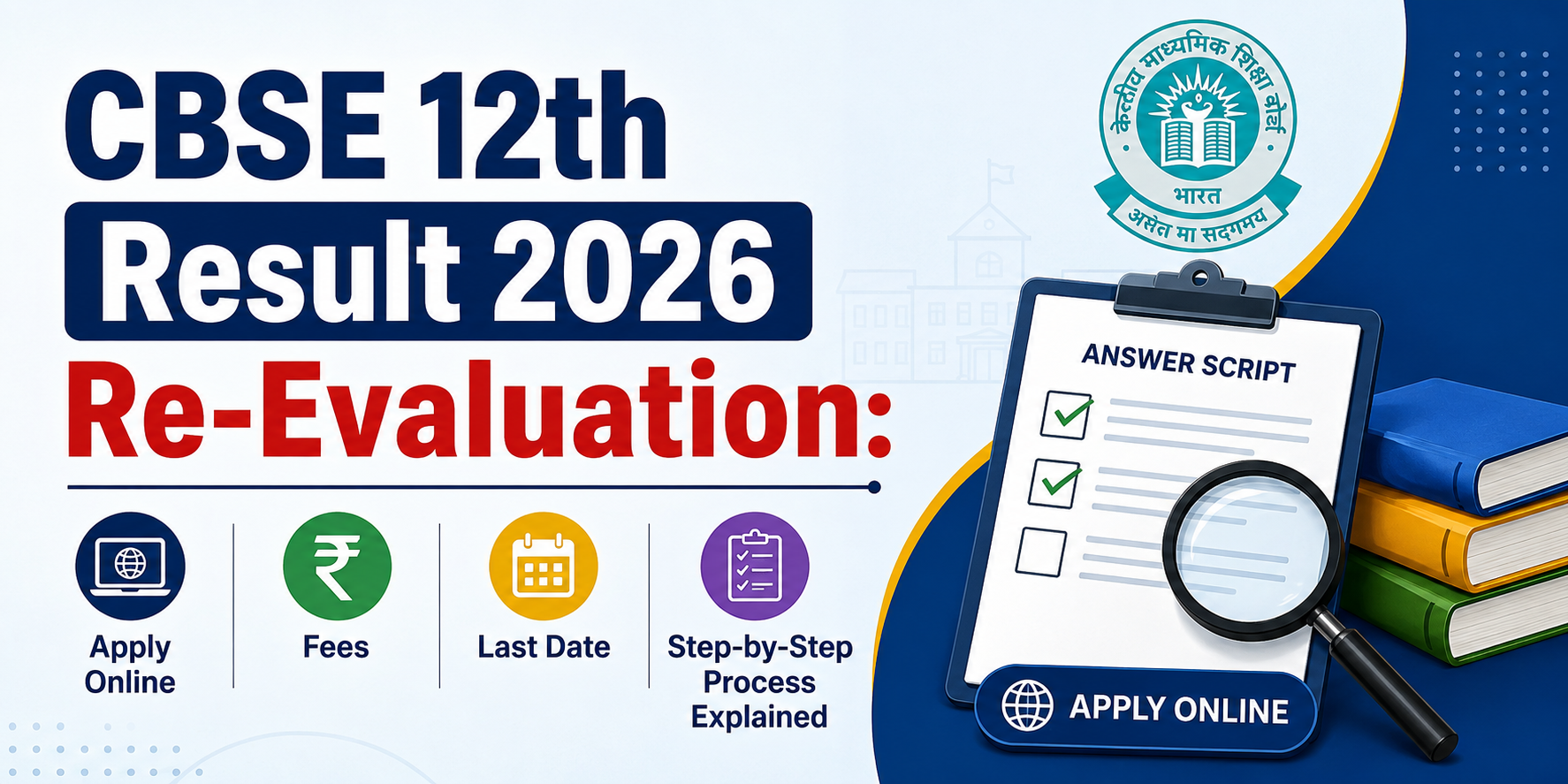
CBSE 12th Result 2026 Re-Evaluation: Apply Online, Fees, Last Date & Step-by-Step Process Explained
NEW
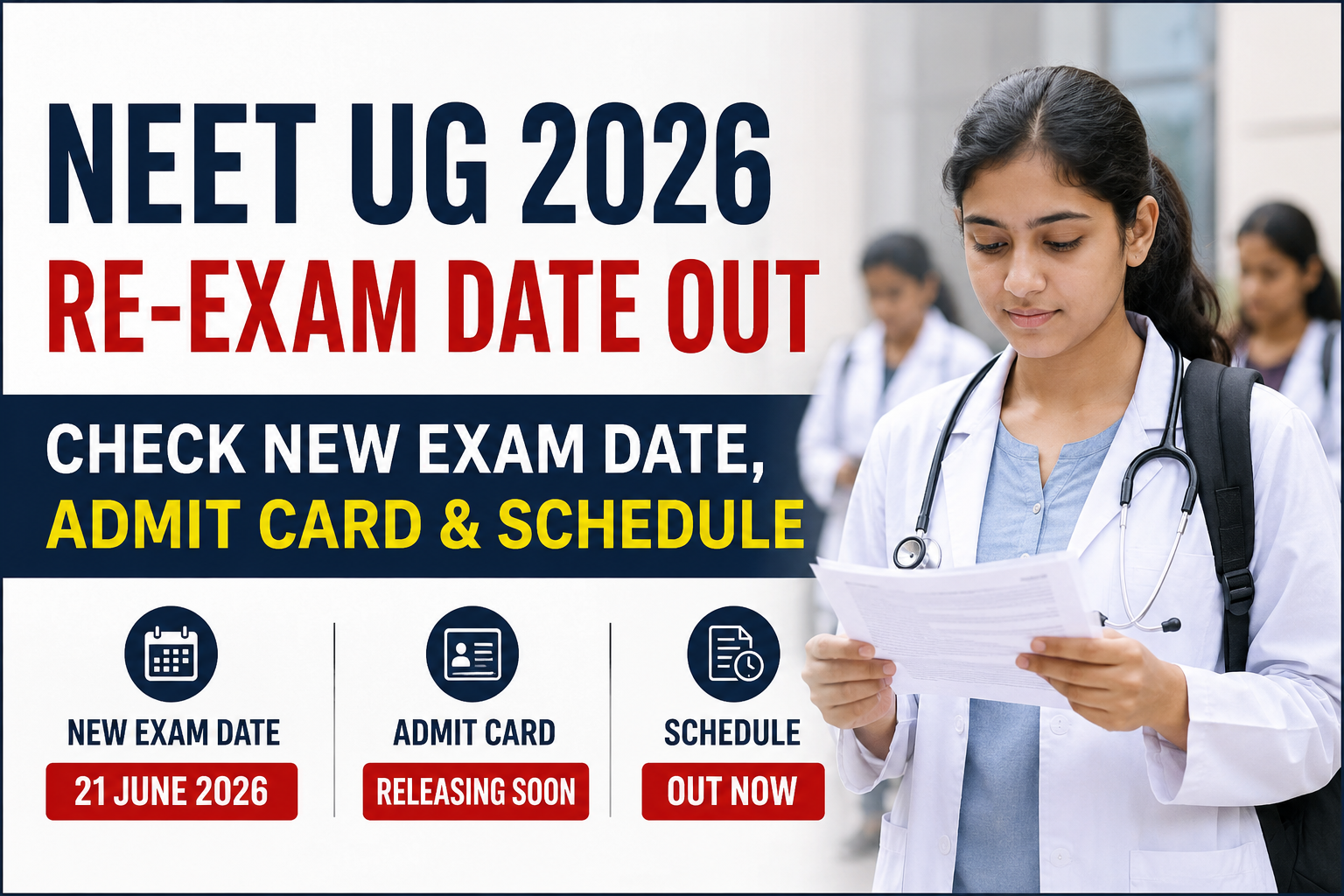
NEET UG 2026 Re-Exam Date Announced: Check New Exam Date, Schedule & Latest Updates
NEW
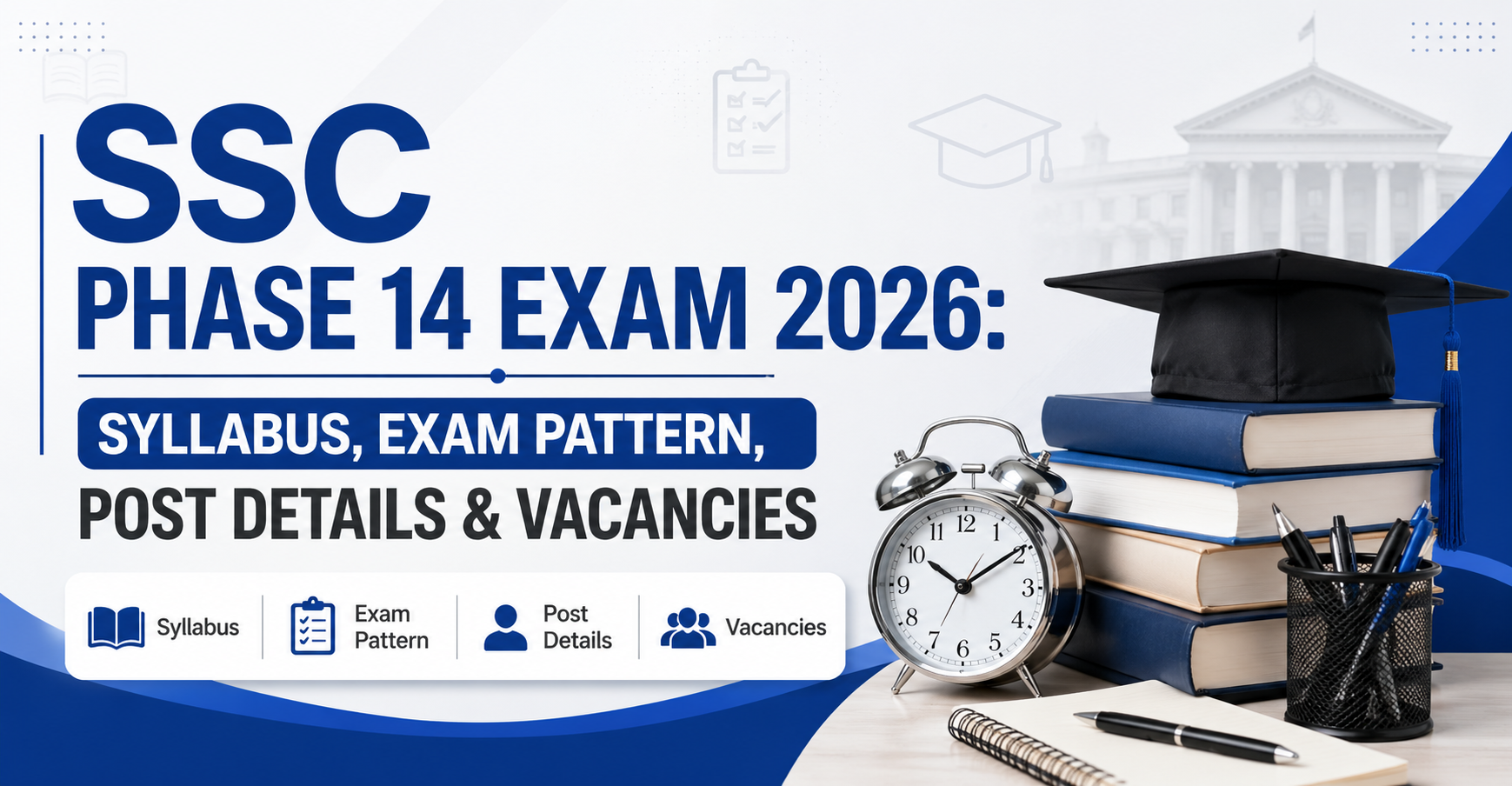
Understanding the SSC Phase 14 Exam: A Comprehensive Overview
NEW
Top Study Tips for Cracking Your Exams with Confidence
NEW
Aerospace Engineering: Scope, Courses & Career Opportunities
NEW
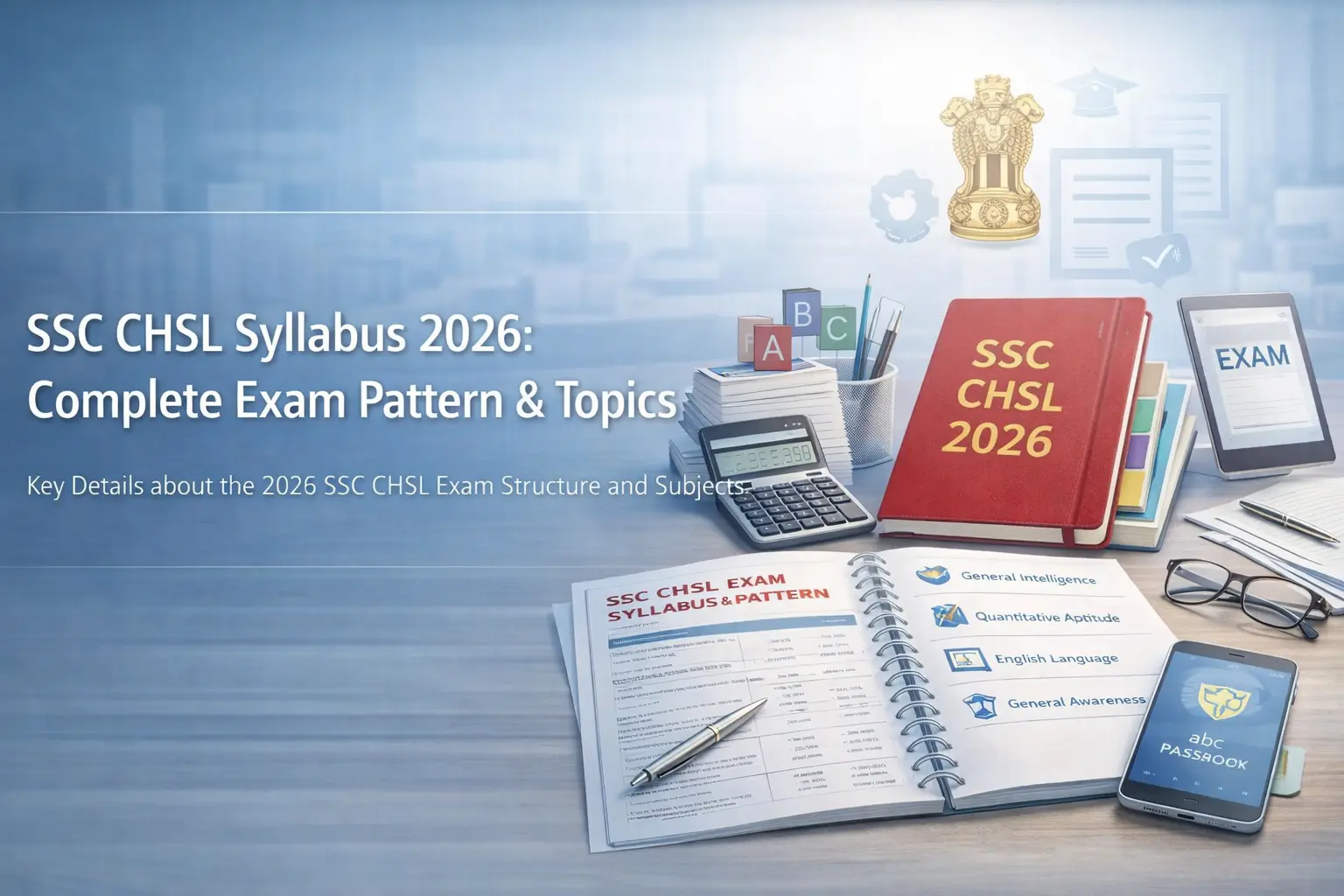
SSC CHSL Syllabus
NEW
EPFO 3.0 is Here: 7 Major Changes Every Employee Must Know
NEW
Indian Army Salary Structure
NEW
Java Interview Questions
NEW
SSC CHSL 2025: Revised Exam Dates, Important Instructions & Study Strategy
NEW
How to Prepare for SSC CGL in 3 Months
NEW