UPSC Indian Economic Service (IES) MCQs
Prepare effectively for the UPSC Indian Economic Service (IES) exam with a focused collection of multiple-choice questions (MCQs). These MCQs cover essential topics like Economics, General Studies, and Statistics, designed to match the actual exam pattern. Practicing these questions will help aspirants strengthen their understanding of economic concepts, improve problem-solving skills, and manage time efficiently during the exam. Whether you're revising key topics or testing your knowledge, these IES MCQs are a valuable resource to guide you toward success in the UPSC Indian Economic Service exam and a rewarding career in economic policy-making.
Q1. What does the law of demand state?
📘 View ExplanationQ2. Which index is used to measure inflation?
📘 View ExplanationQ3. The fiscal deficit indicates:
📘 View ExplanationQ4. In the IS-LM model, what does the LM curve represent?
📘 View ExplanationQ5. Marginal propensity to consume (MPC) is:
📘 View ExplanationQ6. Which of the following is NOT a direct tax?
📘 View ExplanationQ7. Inflation caused by increase in aggregate demand is called:
📘 View ExplanationQ8. The elasticity of demand measures:
📘 View ExplanationQ9. Which measure is used to assess the inequality in income distribution?
📘 View ExplanationQ10. The term “Open Market Operations” refers to:
📘 View ExplanationQ11. Fiscal policy involves:
📘 View ExplanationQ12. Which indicator reflects economic growth?
📘 View ExplanationQ13. The Phillips curve shows the relationship between:
📘 View ExplanationQ14. What does the term “Balance of Payments” signify?
📘 View ExplanationQ15. Which is a characteristic of a perfectly competitive market?
📘 View ExplanationQ16. The concept of “Opportunity Cost” means:
📘 View ExplanationQ17. Which sector is classified as the tertiary sector?
📘 View ExplanationQ18. “Monopolistic Competition” is characterized by:
📘 View ExplanationQ19. The term “Crowding Out Effect” refers to:
📘 View ExplanationQ20. Which institution regulates monetary policy in India?
📘 View ExplanationQ21. GDP at market prices includes:
📘 View ExplanationQ22. The “Human Development Index” measures:
📘 View ExplanationQ23. The Laffer curve illustrates the relationship between:
📘 View ExplanationQ24. Which of the following is NOT a fiscal policy tool?
📘 View ExplanationQ25. In the Keynesian model, aggregate demand is:
📘 View ExplanationQ26. Which is the largest component of India’s GDP?
📘 View ExplanationQ27. Inflation targeting in India is done by:
📘 View ExplanationQ28. Which is NOT part of the Indian Planning Commission’s tasks?
📘 View ExplanationQ29. What is “Public Finance”?
📘 View ExplanationQ30. Which is the most widely used method to calculate national income?
📘 View ExplanationQ31. Which institution publishes the “Economic Survey” of India?
📘 View ExplanationQ32. The term “GNP” stands for:
📘 View ExplanationQ33. Which type of unemployment is due to seasonal variations?
📘 View ExplanationQ34. What does “Monetary Policy” primarily regulate?
📘 View ExplanationQ35. Which of the following is an example of a direct tax?
📘 View ExplanationQ36. Which indicator measures economic inequality?
📘 View ExplanationQ37. India’s first Five Year Plan focused on:
📘 View ExplanationQ38. In economics, “marginal cost” means:
📘 View ExplanationQ39. Which sector contributes the most to India's GDP?
📘 View ExplanationQ40. Which term means a situation with many buyers and sellers but no single entity controls the market?
📘 View Explanation
NEW
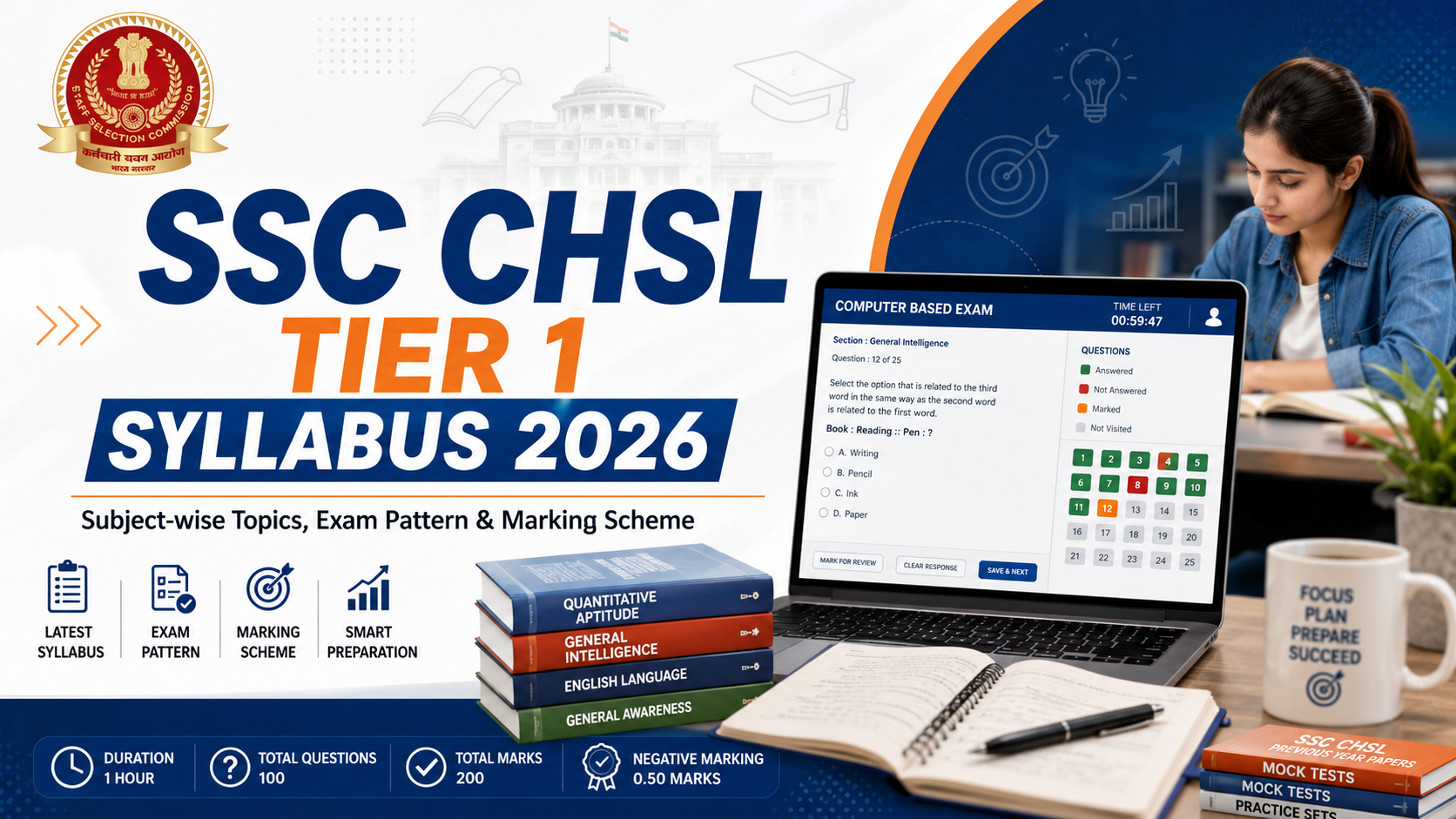




SSC CHSL Tier 1 Syllabus 2026
NEW
AngularJS Interview Questions and Answers
NEW
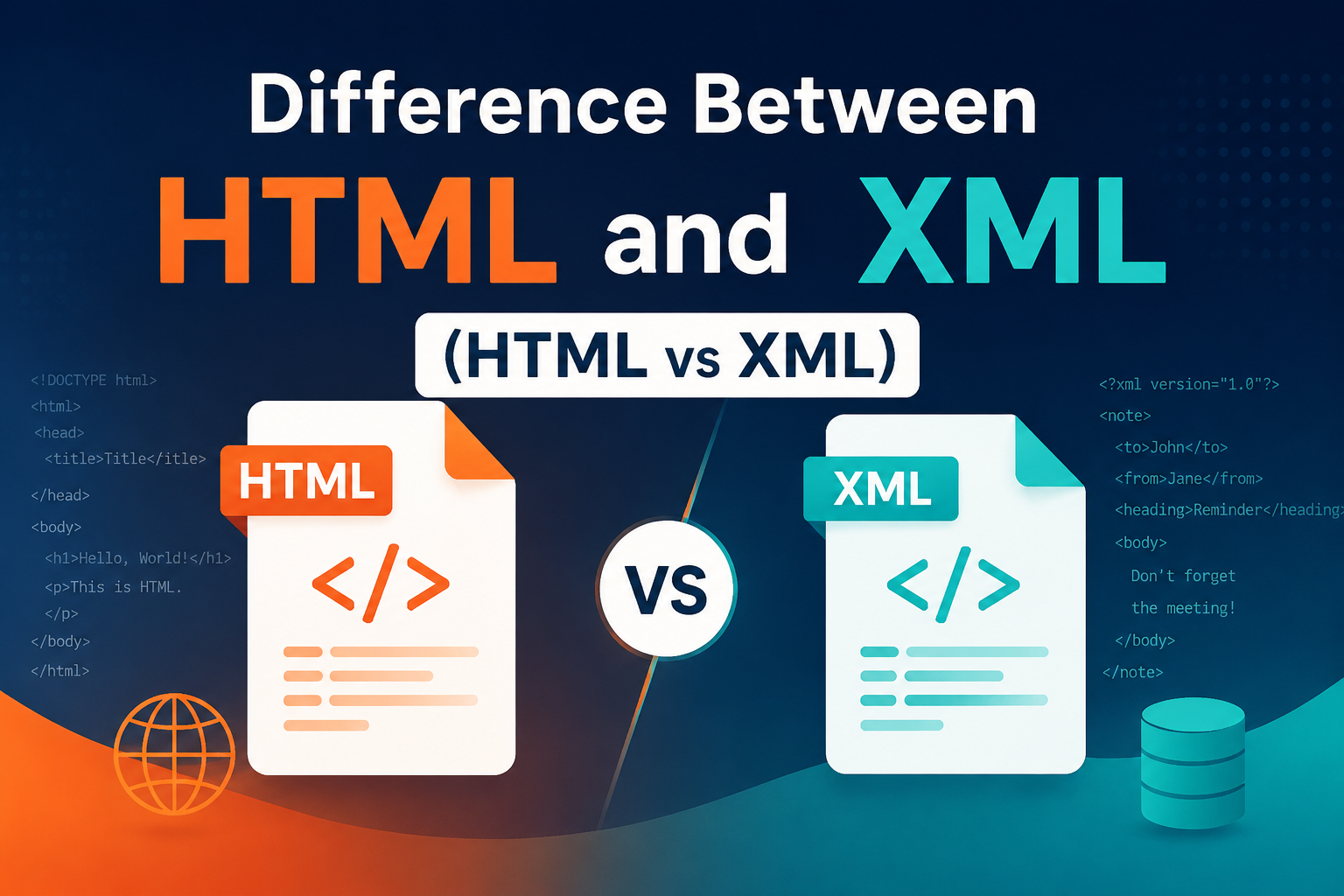
Difference Between HTML and XML (HTML vs XML)
NEW
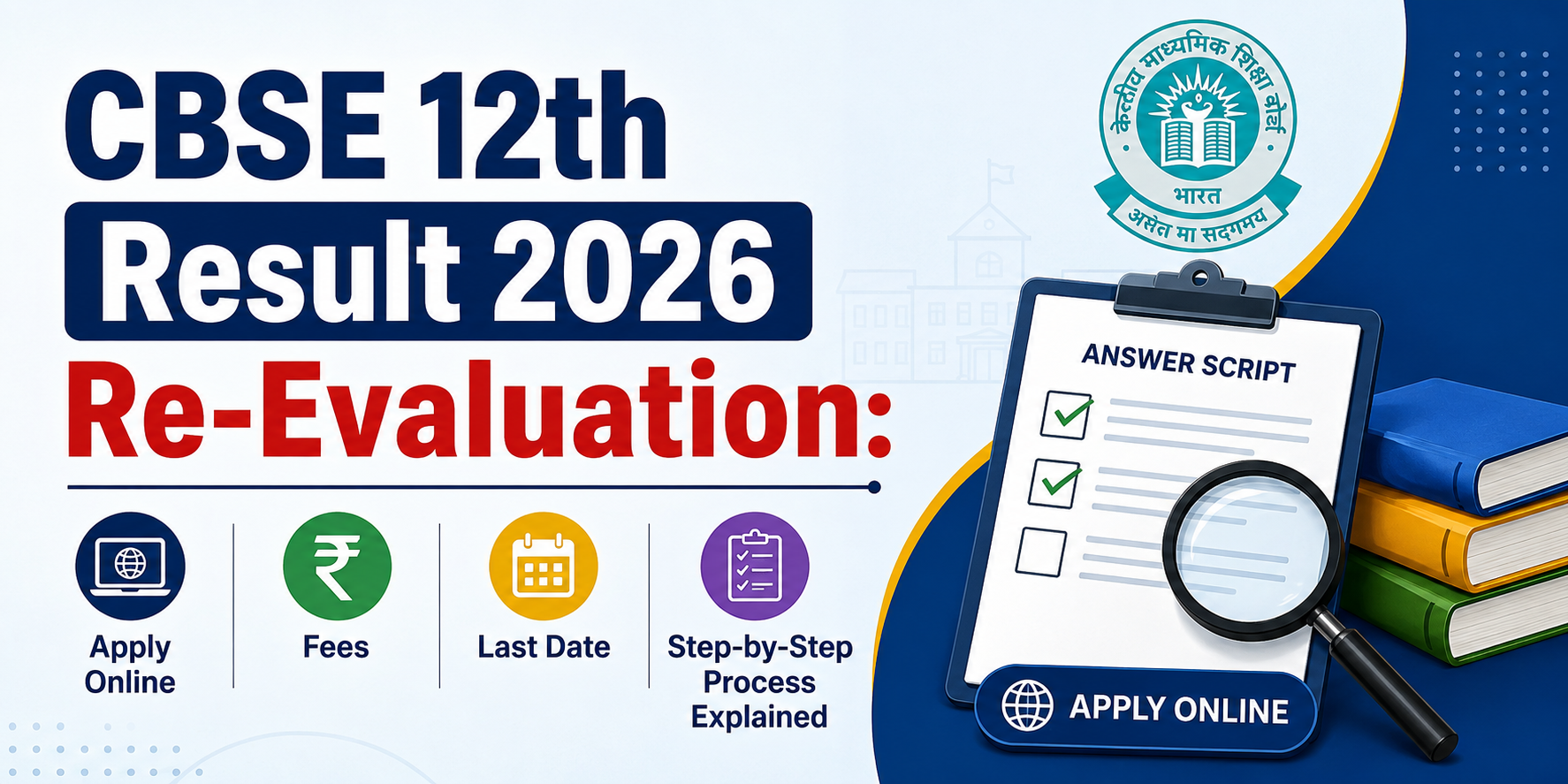
CBSE 12th Result 2026 Re-Evaluation: Apply Online, Fees, Last Date & Step-by-Step Process Explained
NEW
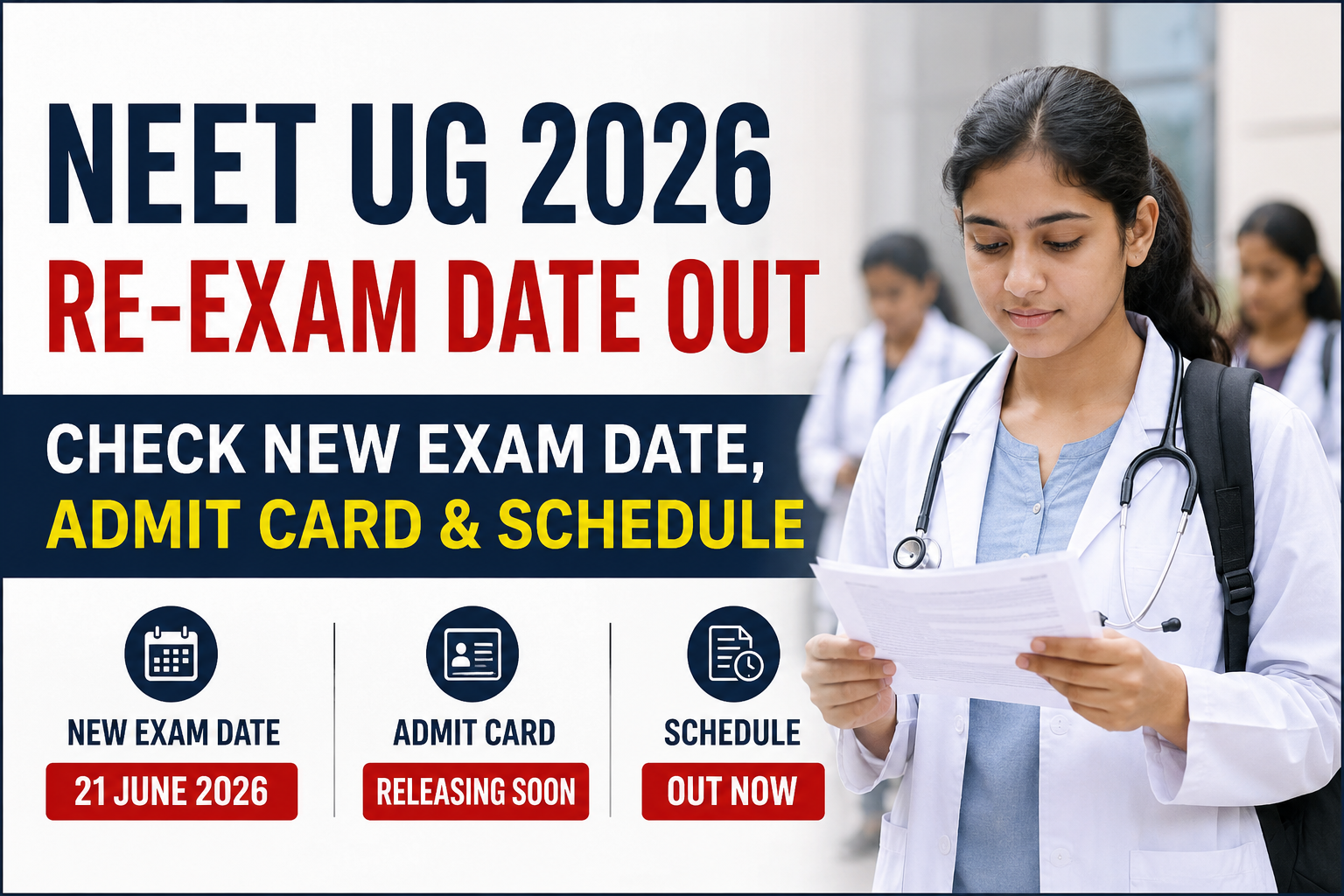
NEET UG 2026 Re-Exam Date Announced: Check New Exam Date, Schedule & Latest Updates
NEW
Understanding the SSC Phase 14 Exam: A Comprehensive Overview
NEW
Top Study Tips for Cracking Your Exams with Confidence
NEW
Aerospace Engineering: Scope, Courses & Career Opportunities
NEW
SSC CHSL Syllabus
NEW
EPFO 3.0 is Here: 7 Major Changes Every Employee Must Know
NEW
Indian Army Salary Structure
NEW