UPSC Combined Medical Services (CMS) MCQs
Prepare for the UPSC Combined Medical Services (CMS) exam with a targeted collection of multiple-choice questions (MCQs). These MCQs cover critical subjects like General Medicine, Surgery, Pediatrics, Gynecology, and Preventive & Social Medicine, reflecting the actual exam pattern. Practicing these questions will help aspirants enhance their medical knowledge, improve diagnostic skills, and boost their exam performance. Whether you're revising key concepts or assessing your readiness, these CMS MCQs are an invaluable resource for acing the UPSC Combined Medical Services exam and securing a career in India’s prestigious medical services.
Q1. Which heart valve prevents backflow of blood from the left ventricle to the left atrium?
📘 View ExplanationQ2. Vitamin D deficiency causes which condition?
📘 View ExplanationQ3. In which condition is the “Glasgow Coma Scale” used?
📘 View ExplanationQ4. Which bacteria causes Tuberculosis?
📘 View ExplanationQ5. A child has poor weight gain and recurrent infections. Which vitamin deficiency is most likely?
📘 View ExplanationQ6. Which of the following is NOT a symptom of Diabetes Mellitus?
📘 View ExplanationQ7. What is the normal range for adult human body temperature?
📘 View ExplanationQ8. Which organ is mainly affected in Hepatitis?
📘 View ExplanationQ9. Which condition is characterized by inflammation of the joints?
📘 View ExplanationQ10. Which vitamin is important for blood coagulation?
📘 View ExplanationQ11. What is the primary function of white blood cells?
📘 View ExplanationQ12. During pregnancy, folic acid supplementation helps prevent:
📘 View ExplanationQ13. Which pathogen causes malaria?
📘 View ExplanationQ14. Which organ produces insulin?
📘 View ExplanationQ15. What is the medical term for high blood pressure?
📘 View ExplanationQ16. Which immunization is given to prevent tuberculosis?
📘 View ExplanationQ17. Which of these is a vector-borne disease?
📘 View ExplanationQ18. What is the main function of hemoglobin?
📘 View ExplanationQ19. Which organ is primarily affected by Chronic Obstructive Pulmonary Disease (COPD)?
📘 View ExplanationQ20. Which hormone regulates the menstrual cycle?
📘 View ExplanationQ21. Which electrolyte imbalance causes muscle cramps?
📘 View ExplanationQ22. The first aid measure for snake bite is:
📘 View ExplanationQ23. Which condition is caused by Vitamin C deficiency?
📘 View ExplanationQ24. Which part of the brain controls coordination and balance?
📘 View ExplanationQ25. What is the normal range of adult pulse rate?
📘 View ExplanationQ26. Which organ filters blood to produce urine?
📘 View ExplanationQ27. Common symptom of asthma is:
📘 View ExplanationQ28. Basic newborn care includes:
📘 View ExplanationQ29. Which condition involves inflammation of the liver?
📘 View ExplanationQ30. Which of these is an inherited blood disorder?
📘 View ExplanationQ31. Most common cause of preventable blindness worldwide is:
📘 View ExplanationQ32. Which vitamin deficiency causes night blindness?
📘 View ExplanationQ33. What is the treatment for anaphylactic shock?
📘 View ExplanationQ34. Which of the following is an autoimmune disease?
📘 View ExplanationQ35. Which is the largest gland in the human body?
📘 View ExplanationQ36. Vitamin B12 deficiency causes:
📘 View ExplanationQ37. The chemical messenger that transmits signals across nerve cells is:
📘 View ExplanationQ38. Which vitamin is essential for blood clotting?
📘 View ExplanationQ39. Most common cause of goiter is deficiency of:
📘 View ExplanationQ40. Which of the following is used to diagnose diabetes?
📘 View Explanation
NEW
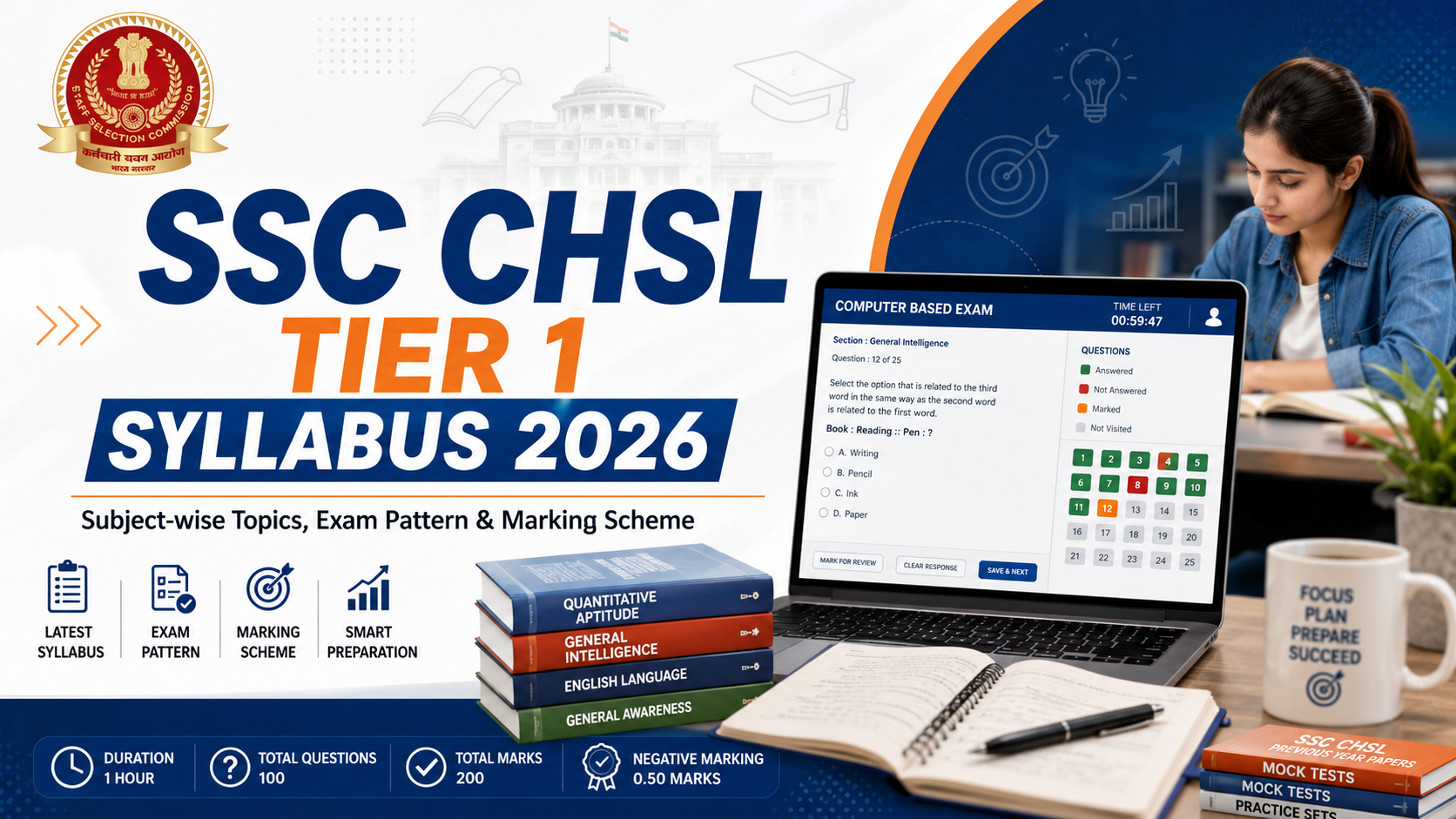



SSC CHSL Tier 1 Syllabus 2026
NEW
AngularJS Interview Questions and Answers
NEW
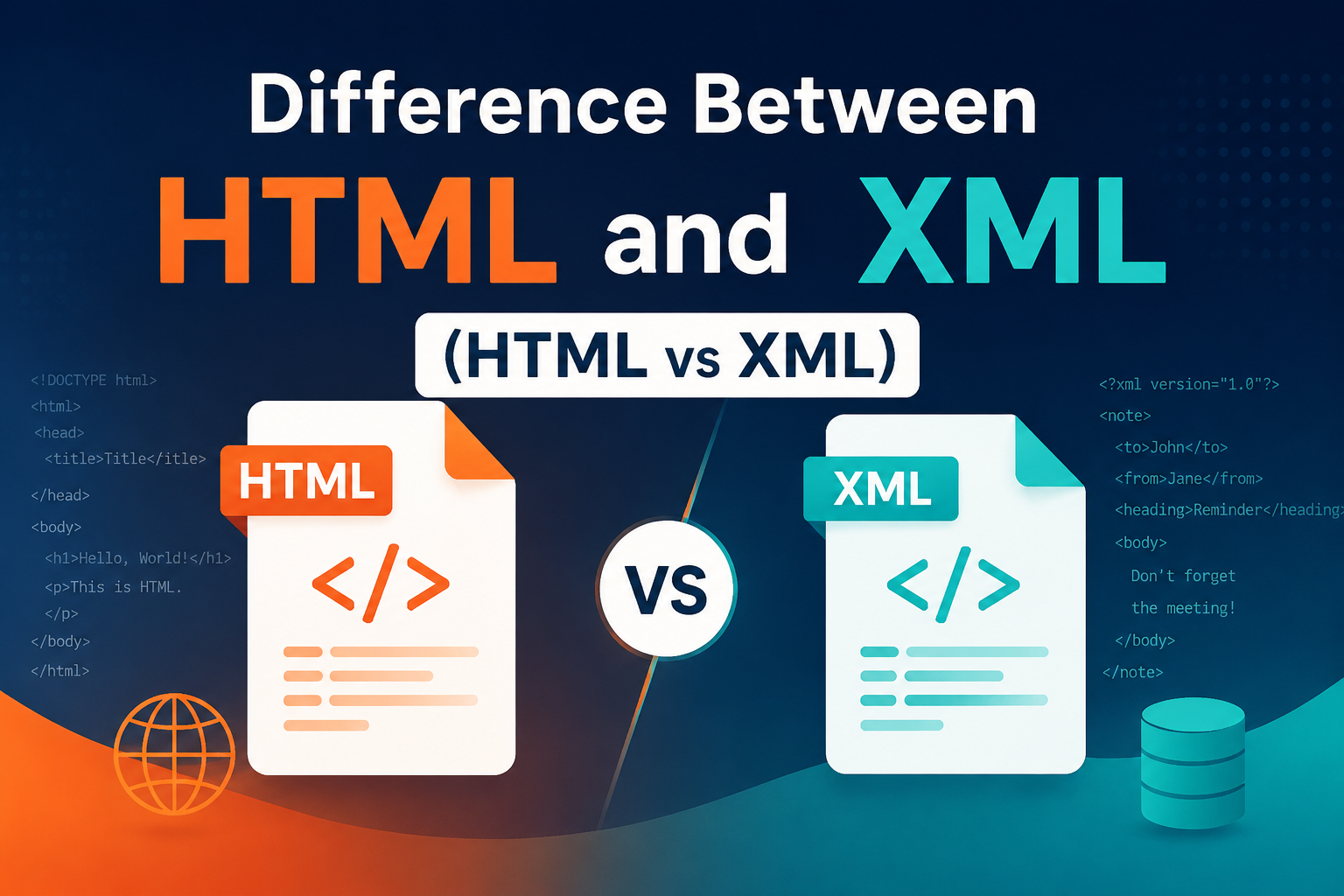
Difference Between HTML and XML (HTML vs XML)
NEW
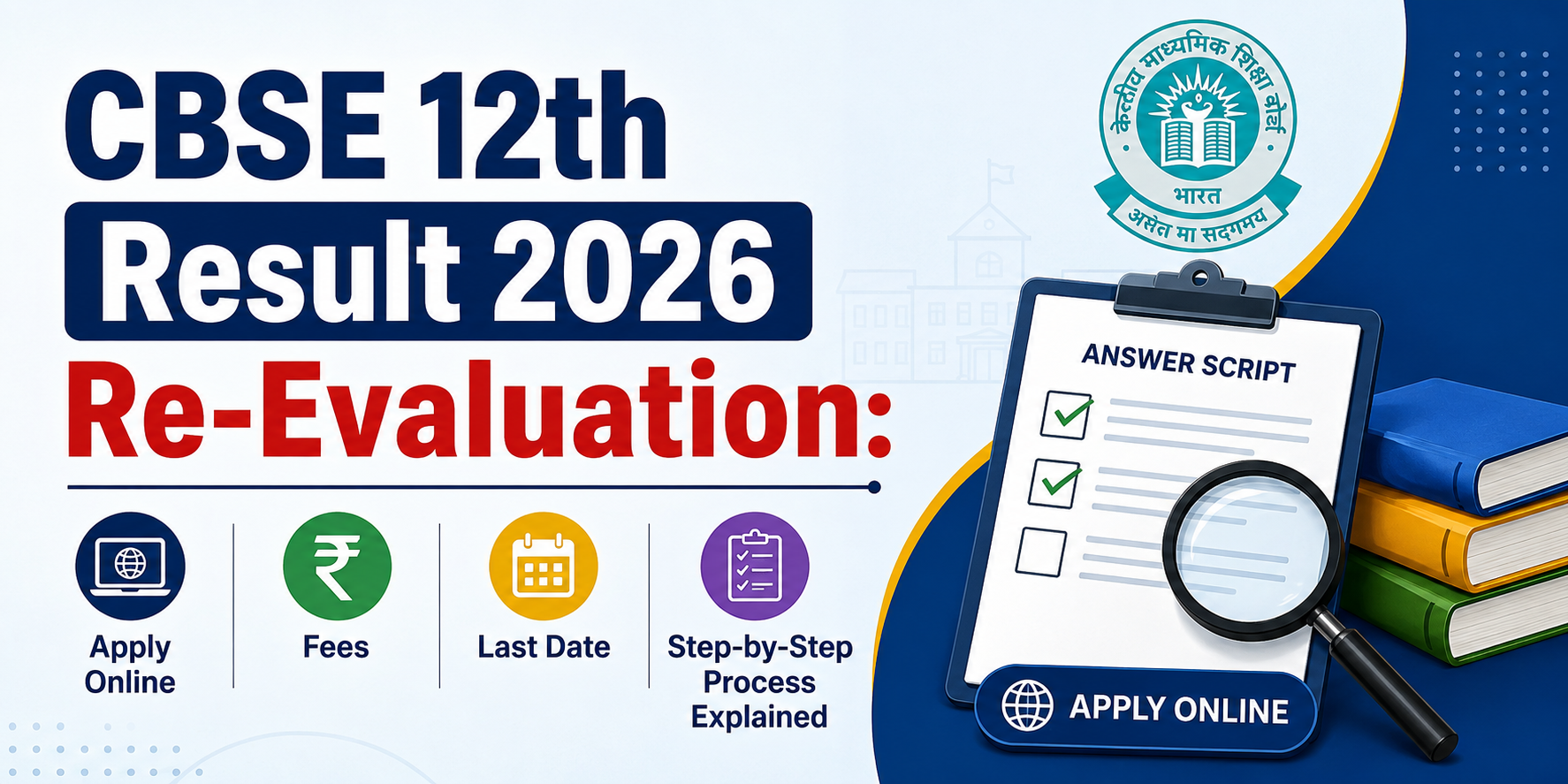
CBSE 12th Result 2026 Re-Evaluation: Apply Online, Fees, Last Date & Step-by-Step Process Explained
NEW
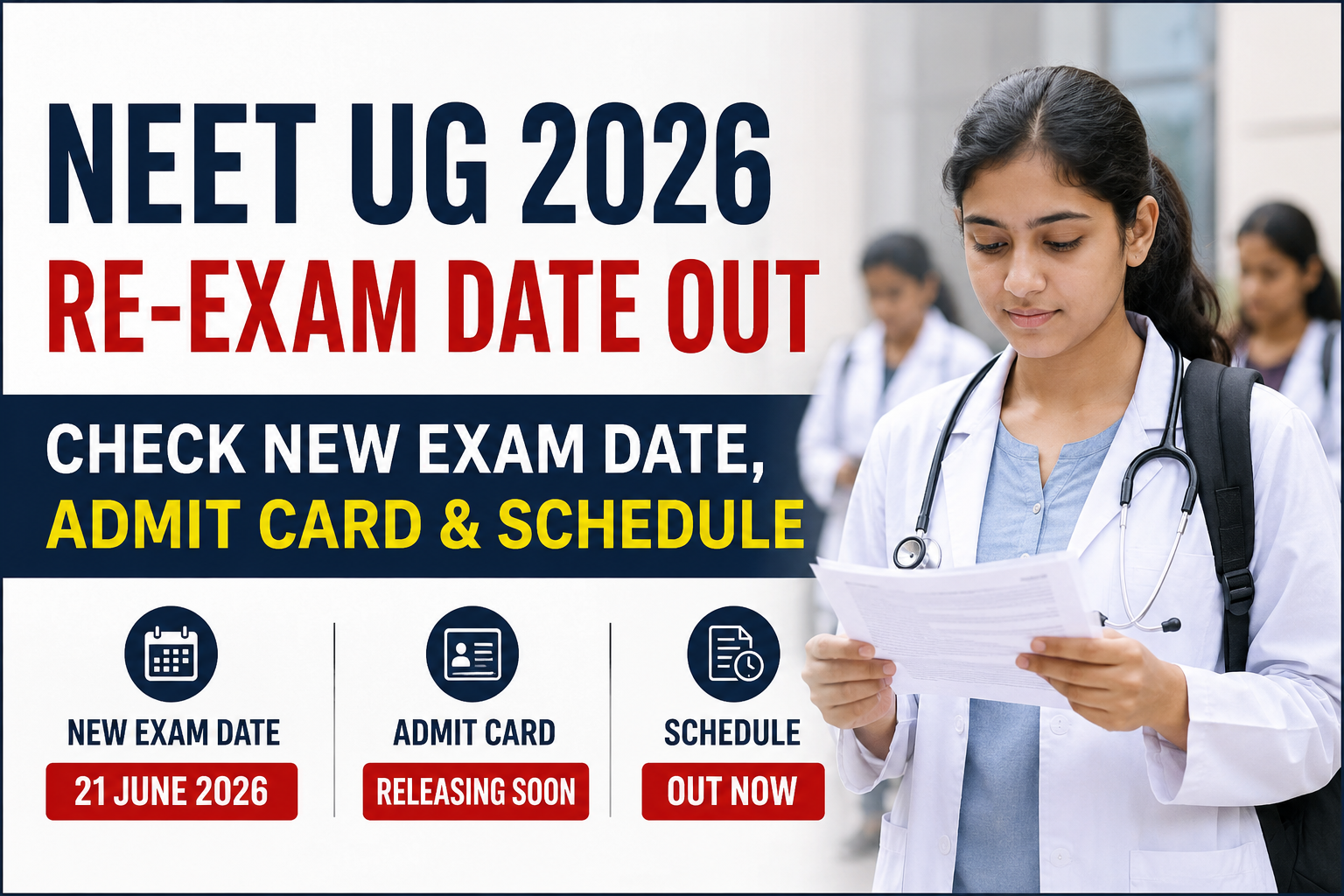
NEET UG 2026 Re-Exam Date Announced: Check New Exam Date, Schedule & Latest Updates
NEW
Understanding the SSC Phase 14 Exam: A Comprehensive Overview
NEW
Top Study Tips for Cracking Your Exams with Confidence
NEW
Aerospace Engineering: Scope, Courses & Career Opportunities
NEW
SSC CHSL Syllabus
NEW
EPFO 3.0 is Here: 7 Major Changes Every Employee Must Know
NEW
Indian Army Salary Structure
NEW