UPSC Prelims MCQs
Q1. Which of the following is the largest river by discharge in the world?
Correct Answer: A
Q2. What is the capital of India?
Correct Answer: A
Q3. Who was the first President of India?
Correct Answer: A
Q4. The Right to Information Act was enacted in which year?
Correct Answer: A
Q5. Which of the following is a non-renewable source of energy?
Correct Answer: A
Q6. Who is considered the "Father of the Nation" in India?
Correct Answer: A
Q7. What is the currency of Japan?
Correct Answer: A
Q8. Which country is the largest producer of tea in the world?
Correct Answer: A
Q9. Which is the longest river in India?
Correct Answer: A
Q10. What is the national animal of India?
Correct Answer: B
Q11. The First Battle of Panipat was fought in which year?
Correct Answer: A
Q12. Who was the first woman Prime Minister of India?
Correct Answer: A
Q13. What is the full form of "UNESCO"?
Correct Answer: A
Q14. Which element is the most abundant in the Earth's crust?
Correct Answer: A
Q15. The National Income Accounting system was introduced by?
Correct Answer: A
Q16. Who among the following is the author of the book "India After Gandhi"?
Correct Answer: A
Q17. What is the main purpose of the Lok Sabha in India?
Correct Answer: A
Q18. Which of the following is the capital of Bhutan?
Correct Answer: A
Q19. Which country is known as the "Land of the Rising Sun"?
Correct Answer: A
Q20. The concept of "Satyagraha" was introduced by?
Correct Answer: A
Q21. Who is the founder of the Indian National Congress?
Correct Answer: A
Latest Blogs

SSC Exam Preparation: Complete Guide for Beginners
NEW
RRB Group D Answer Key 2026 Out: Check Response Sheet & Objection
NEW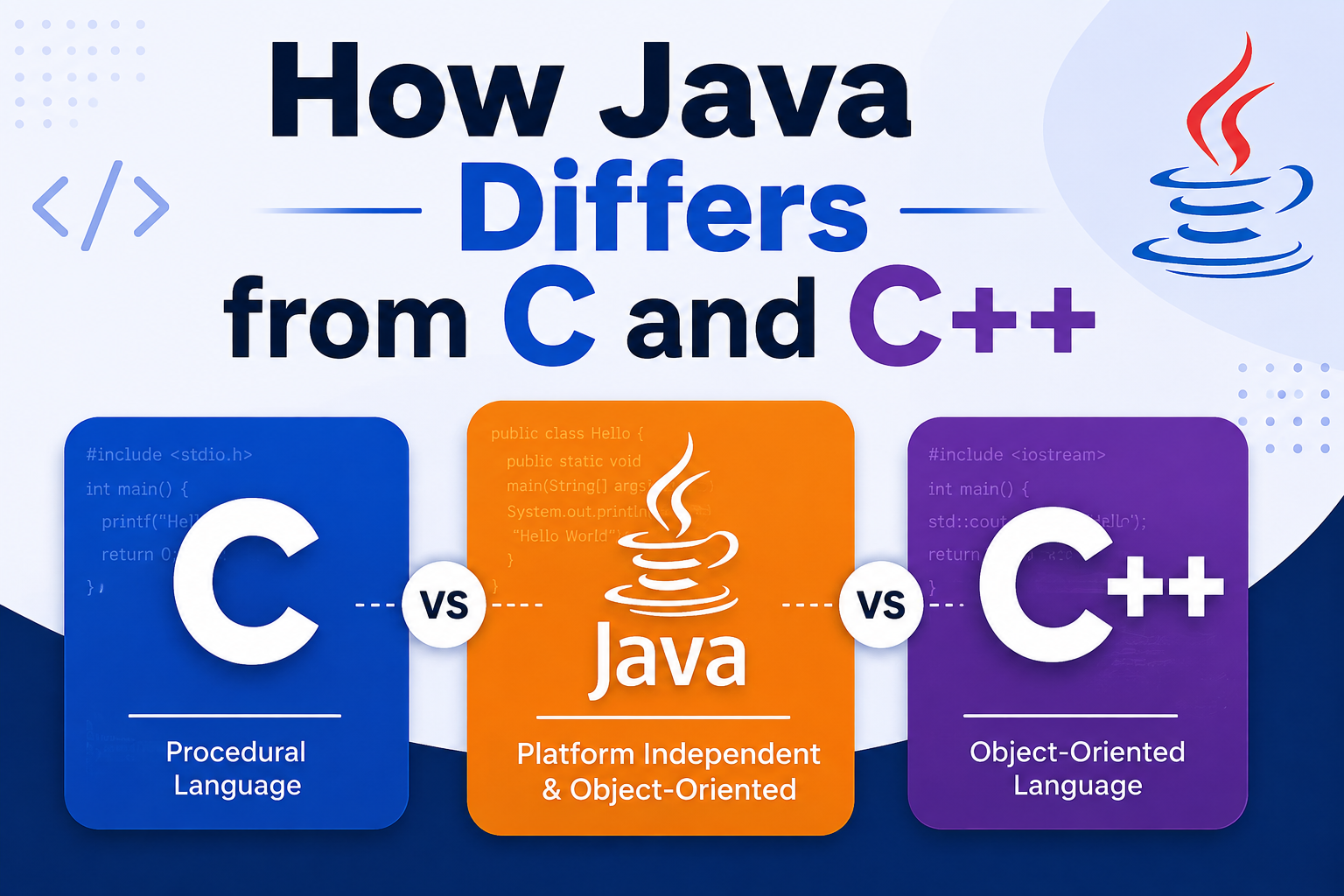
How Java Differs from C and C++
NEW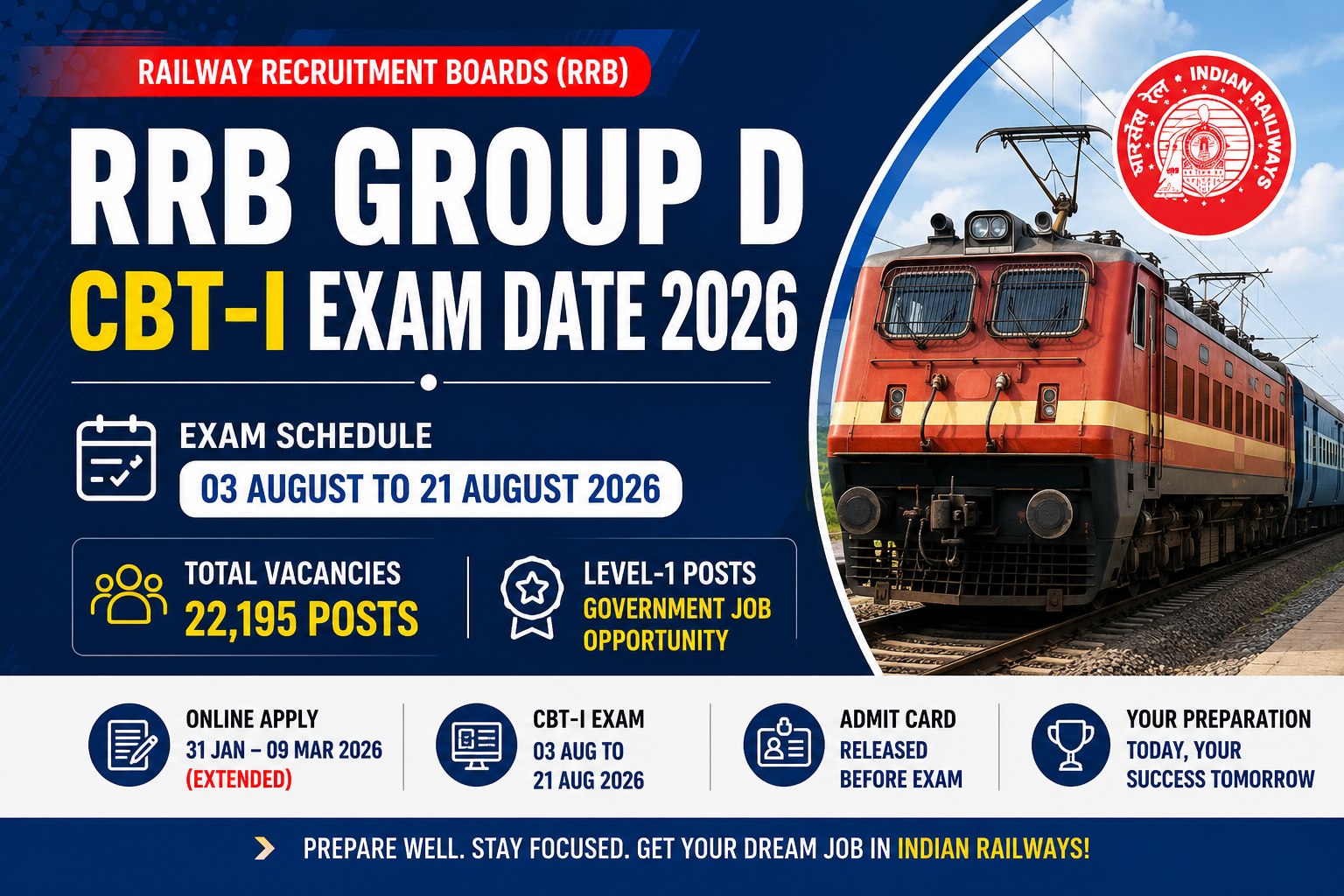
RRB Group D CBT-1 Exam Date 2026 Out: Check Exam Schedule, Vacancy, Eligibility & Latest Updates
NEW
SSC CHSL Tier 1 Syllabus 2026
NEW
AngularJS Interview Questions and Answers
NEW
Difference Between HTML and XML (HTML vs XML)
NEW
CBSE 12th Result 2026 Re-Evaluation: Apply Online, Fees, Last Date & Step-by-Step Process Explained
NEW
NEET UG 2026 Re-Exam Date Announced: Check New Exam Date, Schedule & Latest Updates
NEW
Understanding the SSC Phase 14 Exam: A Comprehensive Overview
NEW
Top Study Tips for Cracking Your Exams with Confidence
NEW