UPSC National Defence Academy (NDA) MCQs
Prepare for the UPSC National Defence Academy (NDA) exam with a vast collection of multiple-choice questions (MCQs). These practice questions cover critical subjects like Mathematics, General Ability, and English, designed to mirror the actual exam pattern. By practicing with these MCQs, candidates can sharpen their problem-solving skills, improve speed and accuracy, and familiarize themselves with the exam format. Whether you're preparing for the written exam or revising key concepts, these NDA MCQs will help you build confidence and boost your chances of success in the UPSC NDA exam, paving the way for a prestigious career in the Indian Armed Forces.
NDA NA MCQs Part 2
Q1. What is the value of sin 30°?
📘 View ExplanationQ2. Simplify: (3x^2)(4x^3)
📘 View ExplanationQ3. Who was the first President of India?
📘 View ExplanationQ4. What is the chemical formula of water?
📘 View ExplanationQ5. The speed of light is approximately:
📘 View ExplanationQ6. Which organ in the human body is responsible for pumping blood?
📘 View ExplanationQ7. What is the total number of planets in the solar system?
📘 View ExplanationQ8. Which gas is essential for respiration?
📘 View ExplanationQ9. What is the next prime number after 17?
📘 View ExplanationQ10. Who wrote the Indian National Anthem?
📘 View ExplanationQ11. What is the freezing point of water in Celsius?
📘 View ExplanationQ12. Which element has the chemical symbol "Na"?
📘 View ExplanationQ13. What is the value of pi (π) approximately?
📘 View ExplanationQ14. What is the smallest prime number?
📘 View ExplanationQ15. Which is the largest continent by area?
📘 View ExplanationQ16. Which of the following is not a renewable resource?
📘 View ExplanationQ17. What is the square root of 64?
📘 View ExplanationQ18. Who discovered the theory of relativity?
📘 View ExplanationQ19. In which organelle does photosynthesis occur?
📘 View ExplanationQ20. What does DNA stand for?
📘 View ExplanationQ21. Which gas makes up most of the Earth’s atmosphere?
📘 View ExplanationQ22. What is the chemical formula of table salt?
📘 View ExplanationQ23. Which planet is known as the “Red Planet”?
📘 View ExplanationQ24. Which country is the largest producer of tea?
📘 View ExplanationQ25. What is the largest internal organ of the human body?
📘 View ExplanationQ26. Which vitamin is essential for blood clotting?
📘 View ExplanationQ27. How many members are there in the Rajya Sabha?
📘 View ExplanationQ28. Who was the first Prime Minister of India?
📘 View ExplanationQ29. What is the boiling point of water?
📘 View ExplanationQ30. Which is India’s national animal?
📘 View ExplanationQ31. Which part of the human body controls balance?
📘 View ExplanationQ32. Who founded the Maurya Empire?
📘 View ExplanationQ33. Which is the smallest continent?
📘 View ExplanationQ34. Which vitamin helps in blood clotting?
📘 View ExplanationQ35. Who was the author of the Indian National Anthem?
📘 View Explanation
NEW






.png)
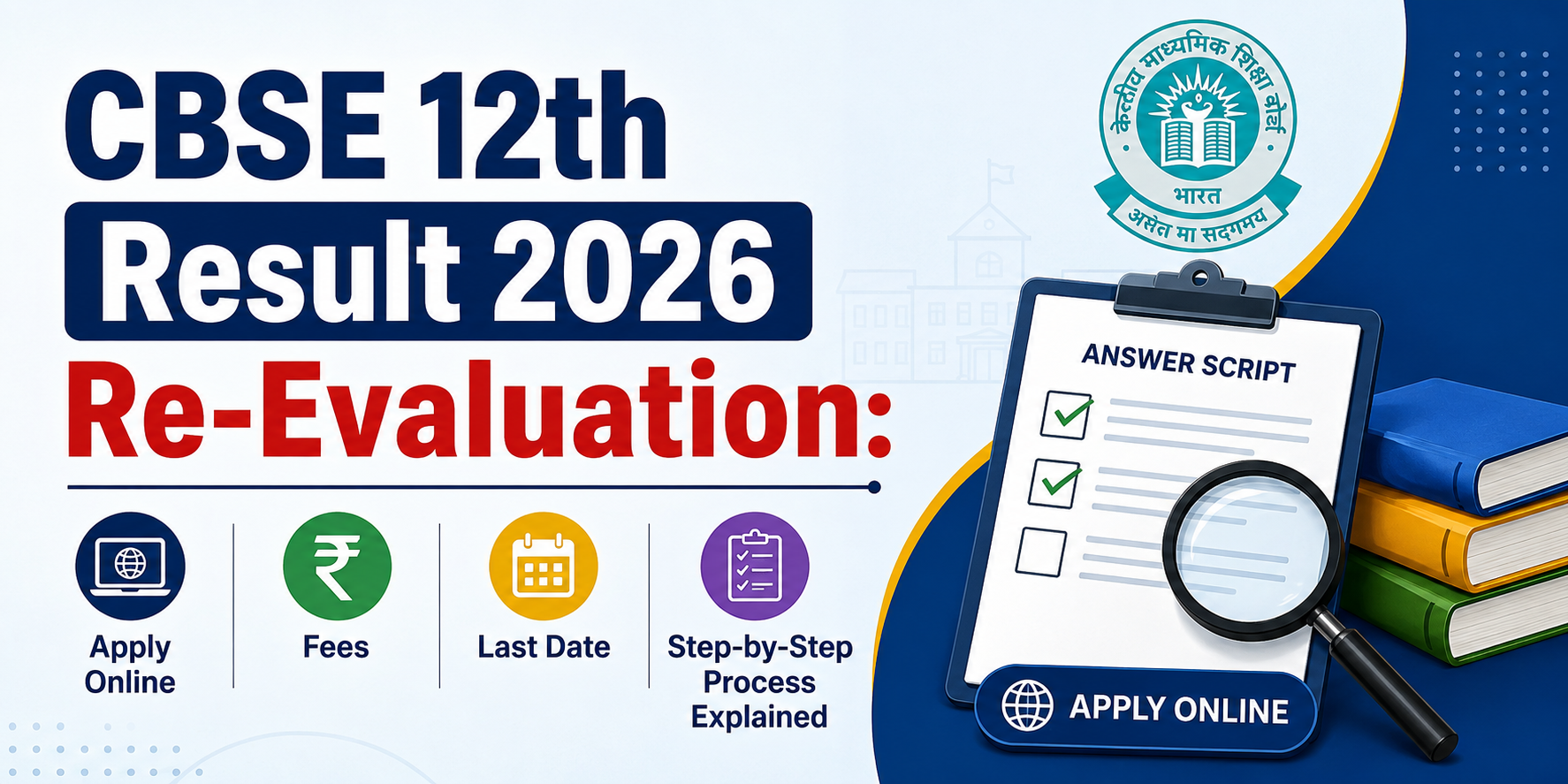
CBSE 12th Result 2026 Re-Evaluation: Apply Online, Fees, Last Date & Step-by-Step Process Explained
NEW
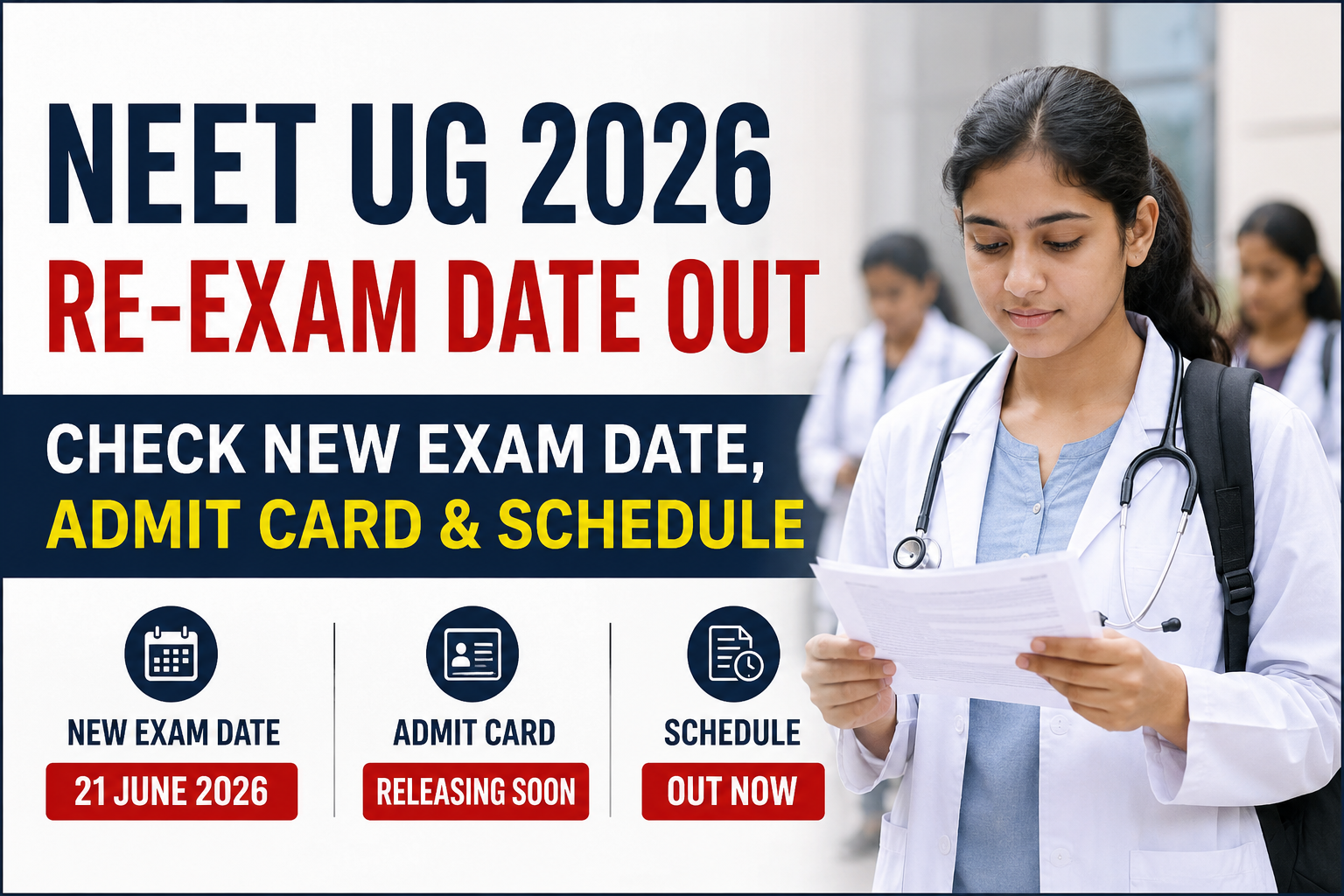
NEET UG 2026 Re-Exam Date Announced: Check New Exam Date, Schedule & Latest Updates
NEW
Understanding the SSC Phase 14 Exam: A Comprehensive Overview
NEW
Top Study Tips for Cracking Your Exams with Confidence
NEW
Aerospace Engineering: Scope, Courses & Career Opportunities
NEW
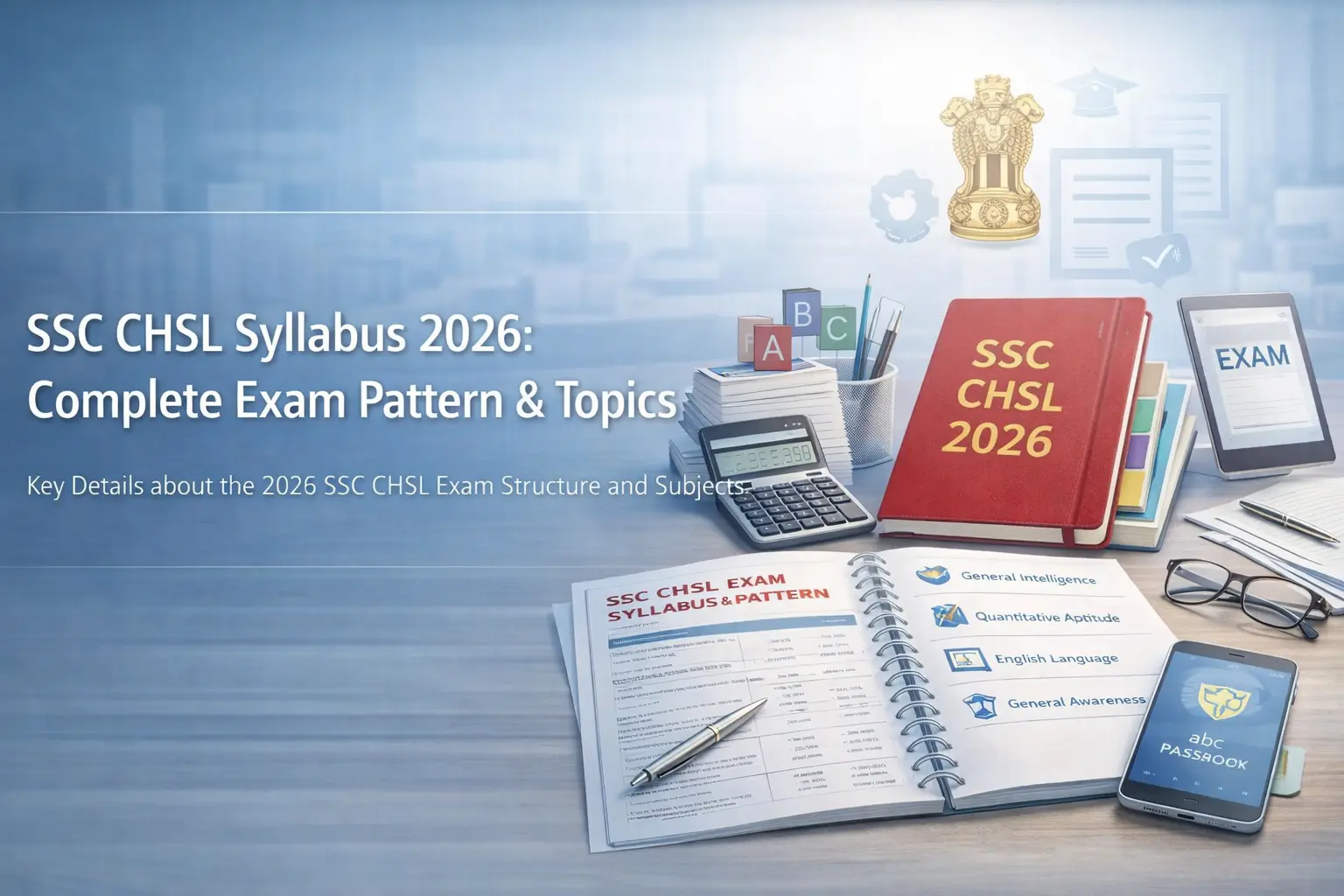
SSC CHSL Syllabus
NEW
EPFO 3.0 is Here: 7 Major Changes Every Employee Must Know
NEW
Indian Army Salary Structure
NEW
Java Interview Questions
NEW
SSC CHSL 2025: Revised Exam Dates, Important Instructions & Study Strategy
NEW
How to Prepare for SSC CGL in 3 Months
NEW