UPSC Indian Police Service (IPS) MCQs
Prepare effectively for the UPSC Indian Police Service (IPS) exam with a wide range of multiple-choice questions (MCQs). These MCQs cover important subjects such as General Studies, Indian Polity, History, Geography, and Current Affairs, designed to reflect the actual exam pattern. Practicing these questions will help aspirants strengthen their understanding of law enforcement, improve time management skills, and boost problem-solving abilities. Whether you're revising key concepts or assessing your exam readiness, these IPS MCQs are a valuable resource for acing the UPSC Indian Police Service exam and securing a respected career in India’s police forces.
Q1. Which Article of the Indian Constitution defines the powers of the Police?
📘 View ExplanationQ2. The First Police Commission in India was set up in the year:
📘 View ExplanationQ3. Under which section of IPC is murder defined?
📘 View ExplanationQ4. The principle of “Natural Justice” means:
📘 View ExplanationQ5. The maximum age limit for IPS direct recruitment is:
📘 View ExplanationQ6. What is the meaning of “Habeas Corpus”?
📘 View ExplanationQ7. “Triple Talaq” was declared unconstitutional by the Supreme Court in:
📘 View ExplanationQ8. Who appoints the Director General of Police in a state?
📘 View ExplanationQ9. The right to information is primarily governed by which Act?
📘 View ExplanationQ10. Which Article of Indian Constitution provides protection against arbitrary arrest and detention?
📘 View ExplanationQ11. Which police force is primarily responsible for tribal areas in India?
📘 View ExplanationQ12. The main objective of “Interpol” is:
📘 View ExplanationQ13. Which crime is covered under the Prevention of Corruption Act?
📘 View ExplanationQ14. “Ethics” primarily refers to:
📘 View ExplanationQ15. The “Right to Privacy” was declared a fundamental right under which Article?
📘 View ExplanationQ16. Police Act was enacted in India in the year:
📘 View ExplanationQ17. The Central Police Organisations come under:
📘 View ExplanationQ18. Which of the following is NOT a Police function?
📘 View ExplanationQ19. Which Article empowers states to organize police forces?
📘 View ExplanationQ20. Which is India’s oldest police training institute?
📘 View ExplanationQ21. The term “Ethics” and “Integrity” differ in that:
📘 View ExplanationQ22. The term “Corruption” primarily means:
📘 View ExplanationQ23. Which of the following is a key area of Police Psychology?
📘 View ExplanationQ24. The “Right to Fair Trial” is guaranteed under:
📘 View ExplanationQ25. Which Central Police Force was primarily responsible for counter-insurgency in the North-East?
📘 View ExplanationQ26. The “Police Commissionerate System” is mainly adopted in:
📘 View ExplanationQ27. The Prevention of Cybercrime Act was enacted in:
📘 View ExplanationQ28. Which of the following is NOT an example of white-collar crime?
📘 View ExplanationQ29. “Whistleblower” protection is provided by which Act?
📘 View ExplanationQ30. Which Article grants the power to the Armed Forces to maintain public order?
📘 View ExplanationQ31. Which is NOT a fundamental right related to personal liberty?
📘 View ExplanationQ32. In police custody, which legal provision safeguards against torture?
📘 View ExplanationQ33. Which police agency deals specifically with railway security?
📘 View ExplanationQ34. The “Social Contract” theory was propounded by:
📘 View ExplanationQ35. The “Doctrine of Public Trust” is related to:
📘 View Explanation
NEW


.png)
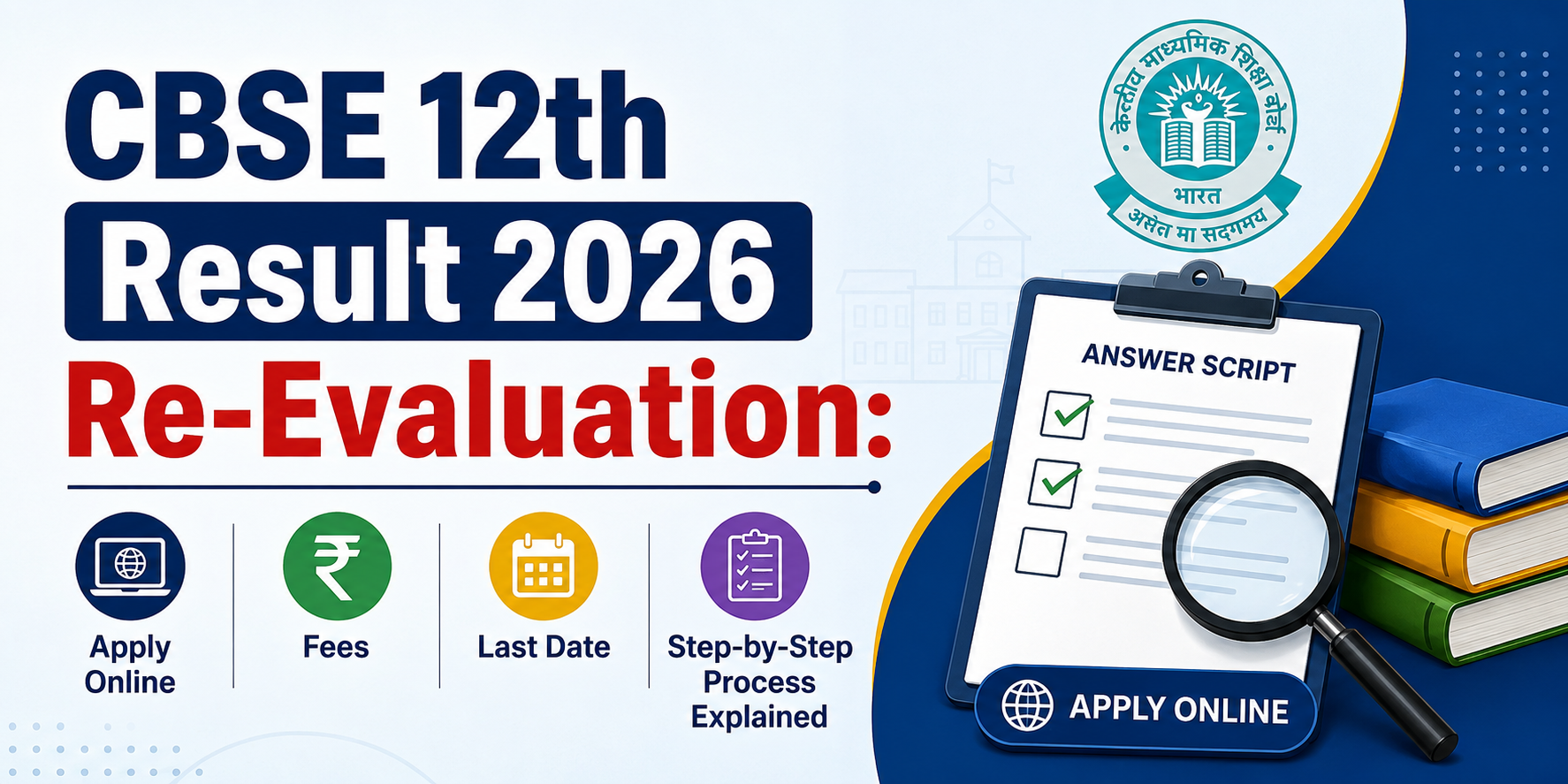
CBSE 12th Result 2026 Re-Evaluation: Apply Online, Fees, Last Date & Step-by-Step Process Explained
NEW
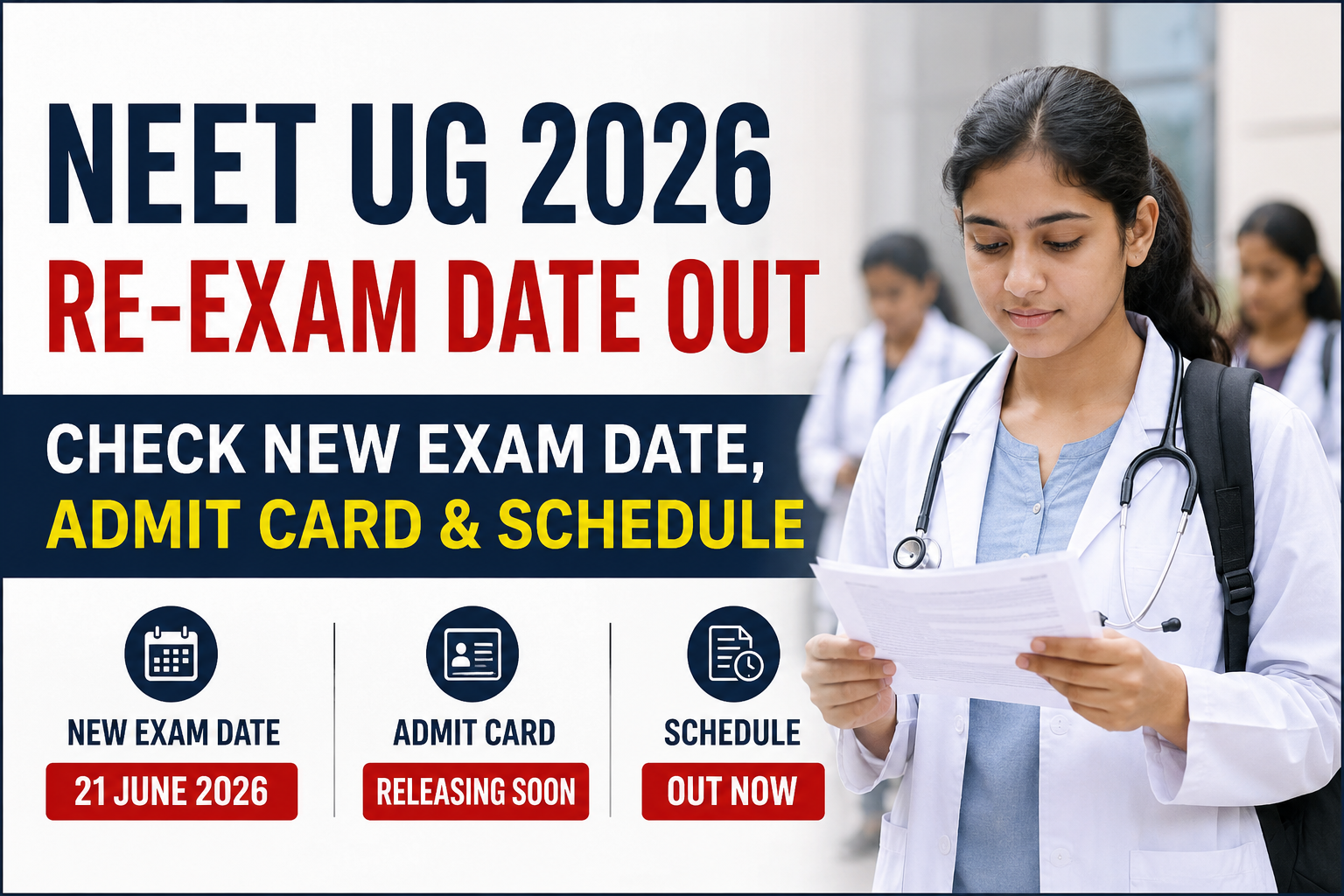
NEET UG 2026 Re-Exam Date Announced: Check New Exam Date, Schedule & Latest Updates
NEW
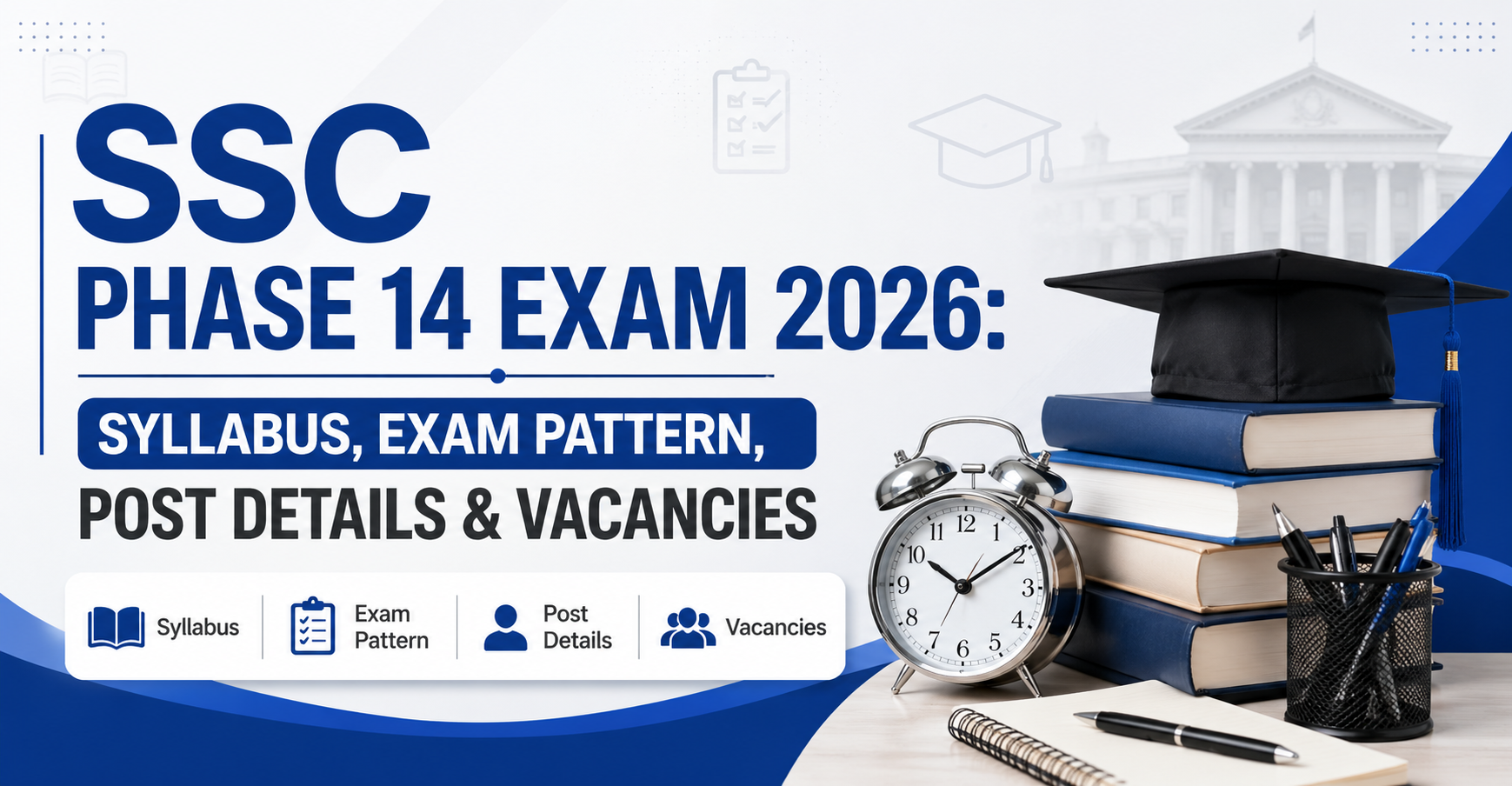
Understanding the SSC Phase 14 Exam: A Comprehensive Overview
NEW
Top Study Tips for Cracking Your Exams with Confidence
NEW
Aerospace Engineering: Scope, Courses & Career Opportunities
NEW
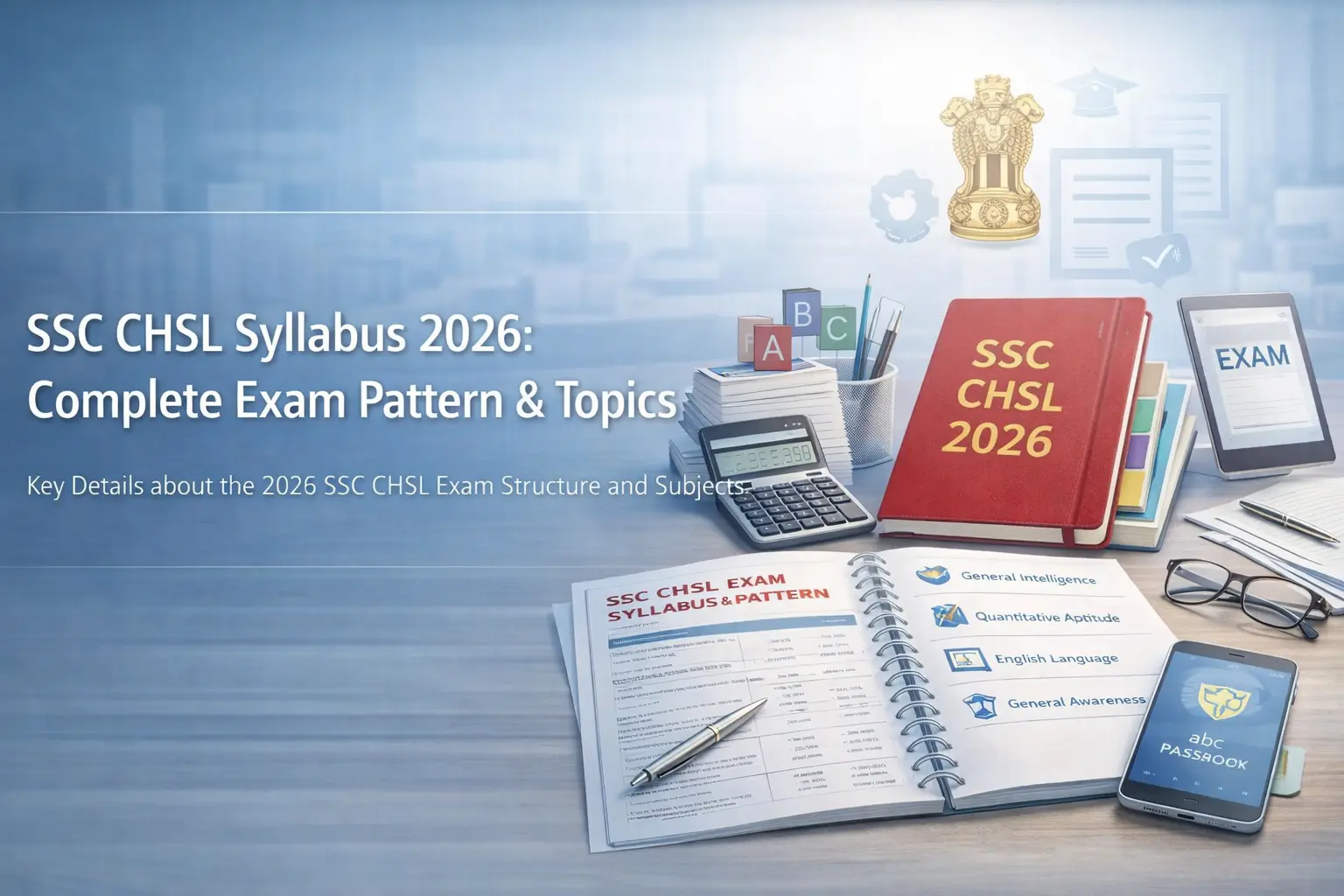
SSC CHSL Syllabus
NEW
EPFO 3.0 is Here: 7 Major Changes Every Employee Must Know
NEW
Indian Army Salary Structure
NEW
Java Interview Questions
NEW
SSC CHSL 2025: Revised Exam Dates, Important Instructions & Study Strategy
NEW
How to Prepare for SSC CGL in 3 Months
NEW