UPSC Civil Services (CSE) MCQs
Prepare for the UPSC Civil Services Examination (CSE) with a vast collection of multiple-choice questions (MCQs) covering all key subjects such as General Studies, Indian Polity, Economy, Geography, and Current Affairs. These MCQs are designed to reflect the actual exam pattern and difficulty level, helping aspirants assess their understanding, improve their speed, and boost problem-solving skills. Whether you are revising concepts or simulating exam conditions, these CSE MCQs serve as an essential tool for your preparation. Practice regularly to enhance your performance and increase your chances of succeeding in the UPSC Civil Services Exam.
Q1. Who was the first Governor-General of independent India?
📘 View ExplanationQ2. The Fundamental Rights in the Indian Constitution are inspired primarily by which document?
📘 View ExplanationQ3. What is the minimum age for a candidate to become the President of India?
📘 View ExplanationQ4. Which article of the Indian Constitution deals with the right to freedom of religion?
📘 View ExplanationQ5. The term of the Lok Sabha is:
📘 View ExplanationQ6. Who appoints the Chief Justice of India?
📘 View ExplanationQ7. Which river is known as the "Sorrow of Bihar" due to frequent floods?
📘 View ExplanationQ8. Which of the following is a non-renewable source of energy?
📘 View ExplanationQ9. The Narmada River flows between which two mountain ranges?
📘 View ExplanationQ10. What is the main objective of the Monetary Policy?
📘 View ExplanationQ11. Which article empowers the President to promulgate Ordinances?
📘 View ExplanationQ12. The "Green Revolution" in India primarily aimed at:
📘 View ExplanationQ13. Which of the following is NOT a fundamental duty?
📘 View ExplanationQ14. Which organ has the power to amend the constitution?
📘 View ExplanationQ15. Which state has the largest number of Lok Sabha seats?
📘 View ExplanationQ16. Who is the Chairman of the Rajya Sabha?
📘 View ExplanationQ17. What is the capital of Arunachal Pradesh?
📘 View ExplanationQ18. Which amendment introduced the Goods and Services Tax (GST)?
📘 View ExplanationQ19. Which of the following is a discretionary power of the President?
📘 View ExplanationQ20. The Reserve Bank of India is the:
📘 View ExplanationQ21. Which Article provides for Public Interest Litigation?
📘 View ExplanationQ22. Which of the following rivers originates from the Western Ghats?
📘 View ExplanationQ23. Which is the largest continent in the world?
📘 View ExplanationQ24. Which is India’s largest major irrigation project?
📘 View ExplanationQ25. Who was the first woman Speaker of Lok Sabha?
📘 View ExplanationQ26. Which of the following is NOT part of the Directive Principles of State Policy?
📘 View ExplanationQ27. Which of the following is NOT a Fundamental Right?
📘 View ExplanationQ28. The famous Khilafat Movement was started in which year?
📘 View ExplanationQ29. Which Article defines the Emergency provisions?
📘 View ExplanationQ30. Which of the following is a characteristic of a Federal Government?
📘 View ExplanationQ31. Which crop is known as the "Golden Grain of India"?
📘 View ExplanationQ32. Which of the following is NOT an environmental pollutant?
📘 View ExplanationQ33. Which is the longest river in India?
📘 View ExplanationQ34. Who is the author of the book "Discovery of India"?
📘 View ExplanationQ35. The term "Secularism" in the Indian Constitution means:
📘 View Explanation
NEW


.png)
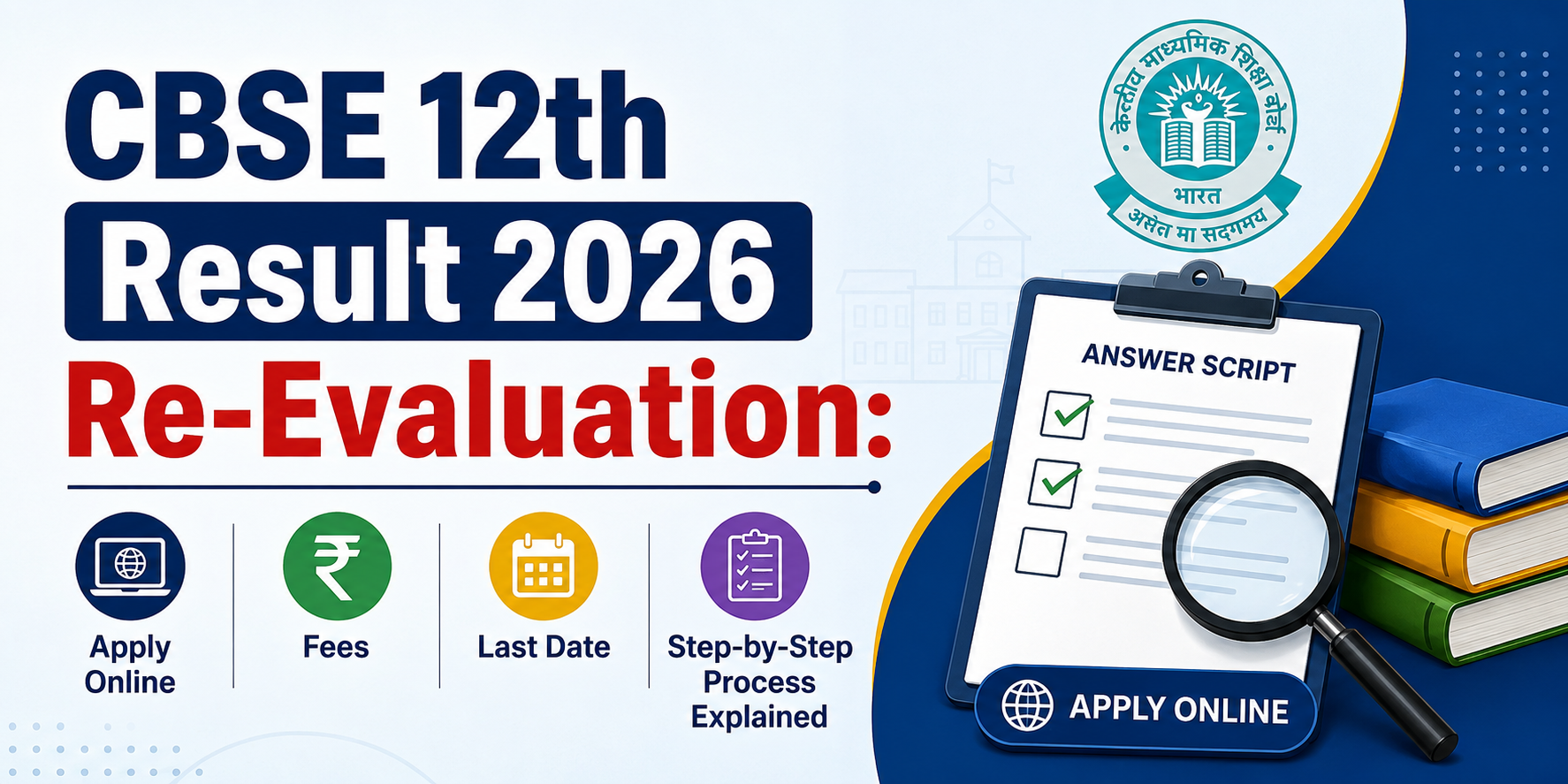
CBSE 12th Result 2026 Re-Evaluation: Apply Online, Fees, Last Date & Step-by-Step Process Explained
NEW
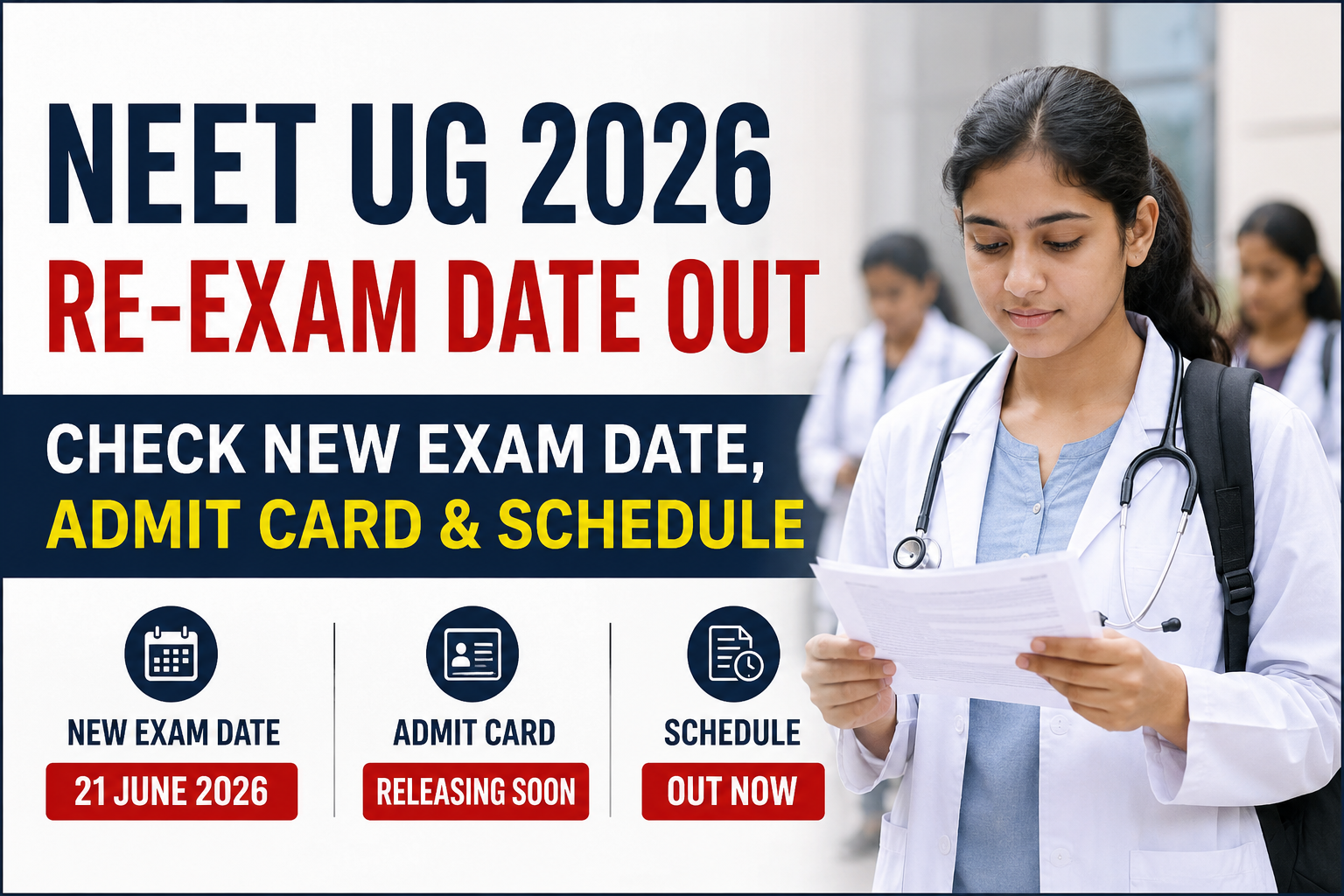
NEET UG 2026 Re-Exam Date Announced: Check New Exam Date, Schedule & Latest Updates
NEW
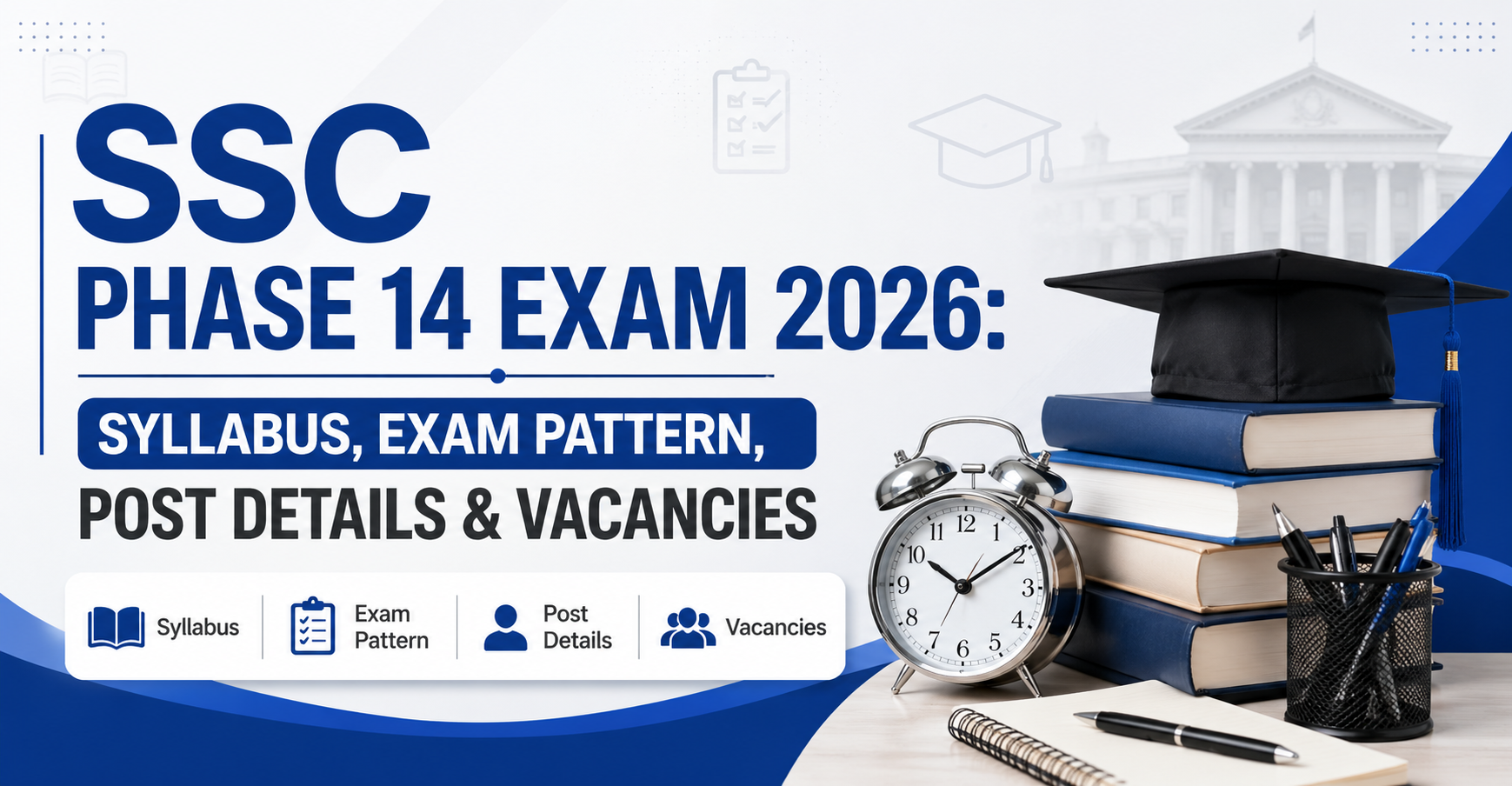
Understanding the SSC Phase 14 Exam: A Comprehensive Overview
NEW
Top Study Tips for Cracking Your Exams with Confidence
NEW
Aerospace Engineering: Scope, Courses & Career Opportunities
NEW
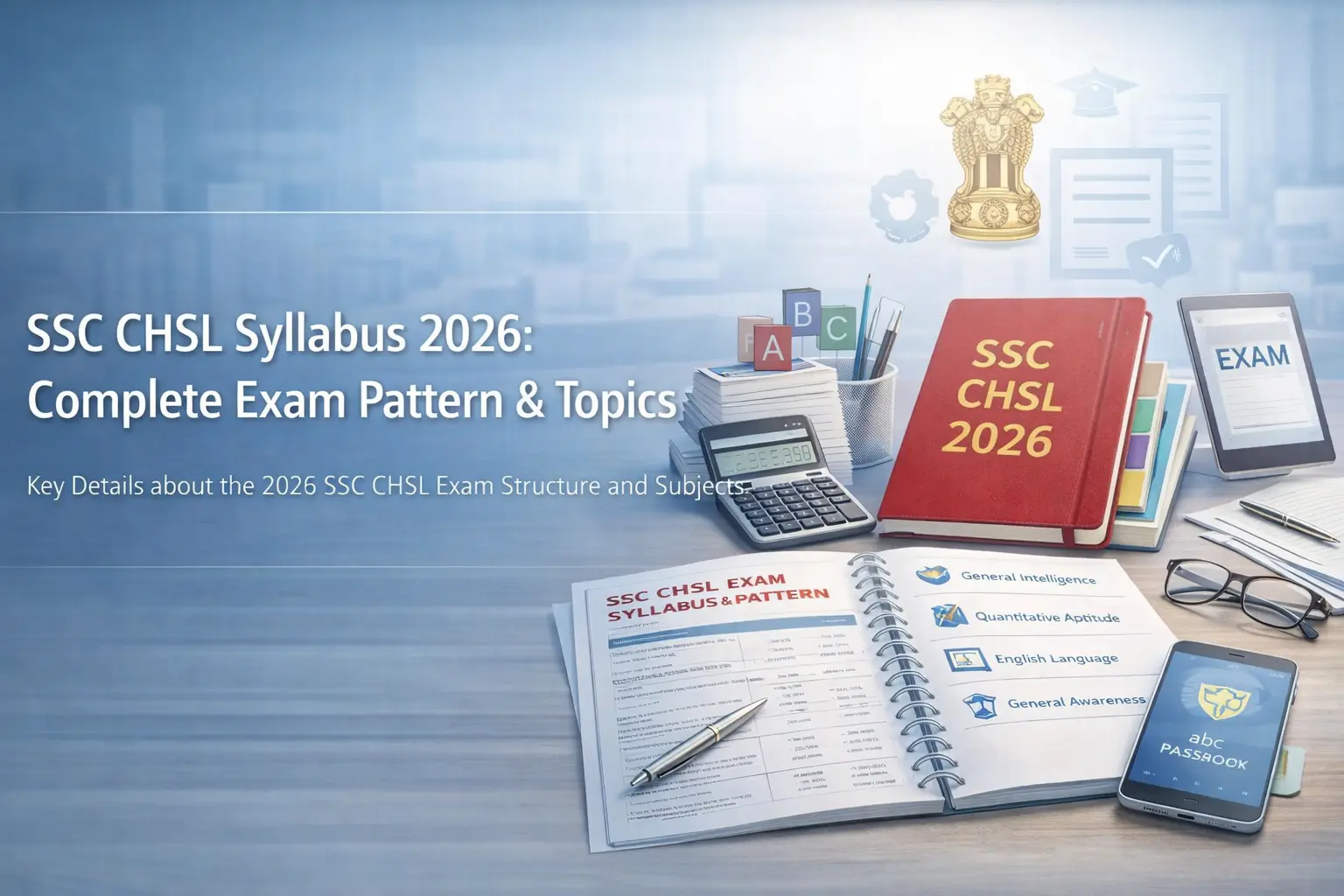
SSC CHSL Syllabus
NEW
EPFO 3.0 is Here: 7 Major Changes Every Employee Must Know
NEW
Indian Army Salary Structure
NEW
Java Interview Questions
NEW
SSC CHSL 2025: Revised Exam Dates, Important Instructions & Study Strategy
NEW
How to Prepare for SSC CGL in 3 Months
NEW