Environmental Engineering MCQ - Page 2
Environmental Engineering MCQ is a useful practice section for students, engineers, and exam aspirants who want to improve their knowledge of environmental science, pollution control, water treatment, wastewater management, air pollution, solid waste management, and sustainable engineering practices. These multiple-choice questions are designed to help learners revise important concepts quickly and prepare for semester exams, competitive exams, technical interviews, and job placement tests.
Environmental engineering focuses on protecting human health and the environment by applying engineering principles to solve problems related to water, air, soil, and waste. Regular practice of Environmental Engineering MCQs helps students understand key topics such as water quality parameters, sewage treatment, sludge treatment, BOD, COD, dissolved oxygen, air pollutants, noise pollution, environmental impact assessment, waste disposal methods, and pollution control equipment.
This MCQ section is helpful for civil engineering, chemical engineering, environmental science, and public health engineering students. It also supports aspirants preparing for GATE, PSU exams, government engineering exams, diploma exams, and technical interviews. By solving topic-wise MCQs, learners can improve accuracy, strengthen concepts, and identify weak areas before exams.
Each question is created in a simple and exam-oriented format so students can practice easily. Environmental Engineering MCQs also help learners connect theoretical knowledge with real-life environmental problems such as water contamination, air pollution, industrial waste, climate concerns, and sustainable development.
Practice Environmental Engineering MCQs regularly to improve subject understanding, boost confidence, and prepare effectively for academic and professional success.
Q41. Which of the following is a biological treatment method?
📘 View ExplanationQ42. Fluoride toxicity can lead to:
📘 View ExplanationQ43. Which compound is a major greenhouse gas emitted from landfill sites?
📘 View ExplanationQ44. Which is an example of point source pollution?
📘 View ExplanationQ45. The main objective of effluent treatment is:
📘 View ExplanationQ46. Which is not a method for odor control in waste treatment?
📘 View ExplanationQ47. A common by-product of wastewater anaerobic digestion is:
📘 View ExplanationQ48. The chemostat principle is used in:
📘 View Explanation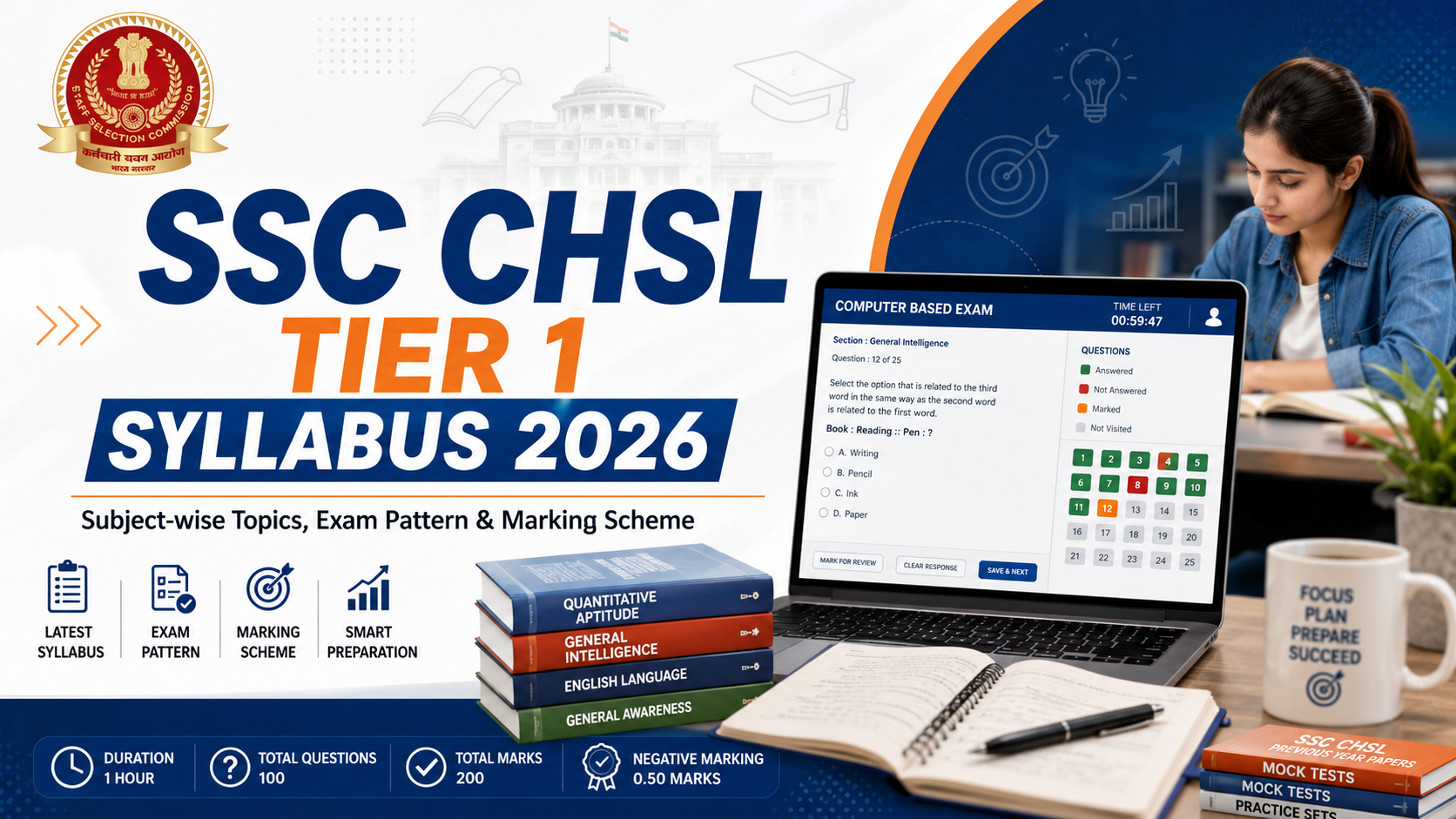
SSC CHSL Tier 1 Syllabus 2026
NEW
AngularJS Interview Questions and Answers
NEW
Difference Between HTML and XML (HTML vs XML)
NEW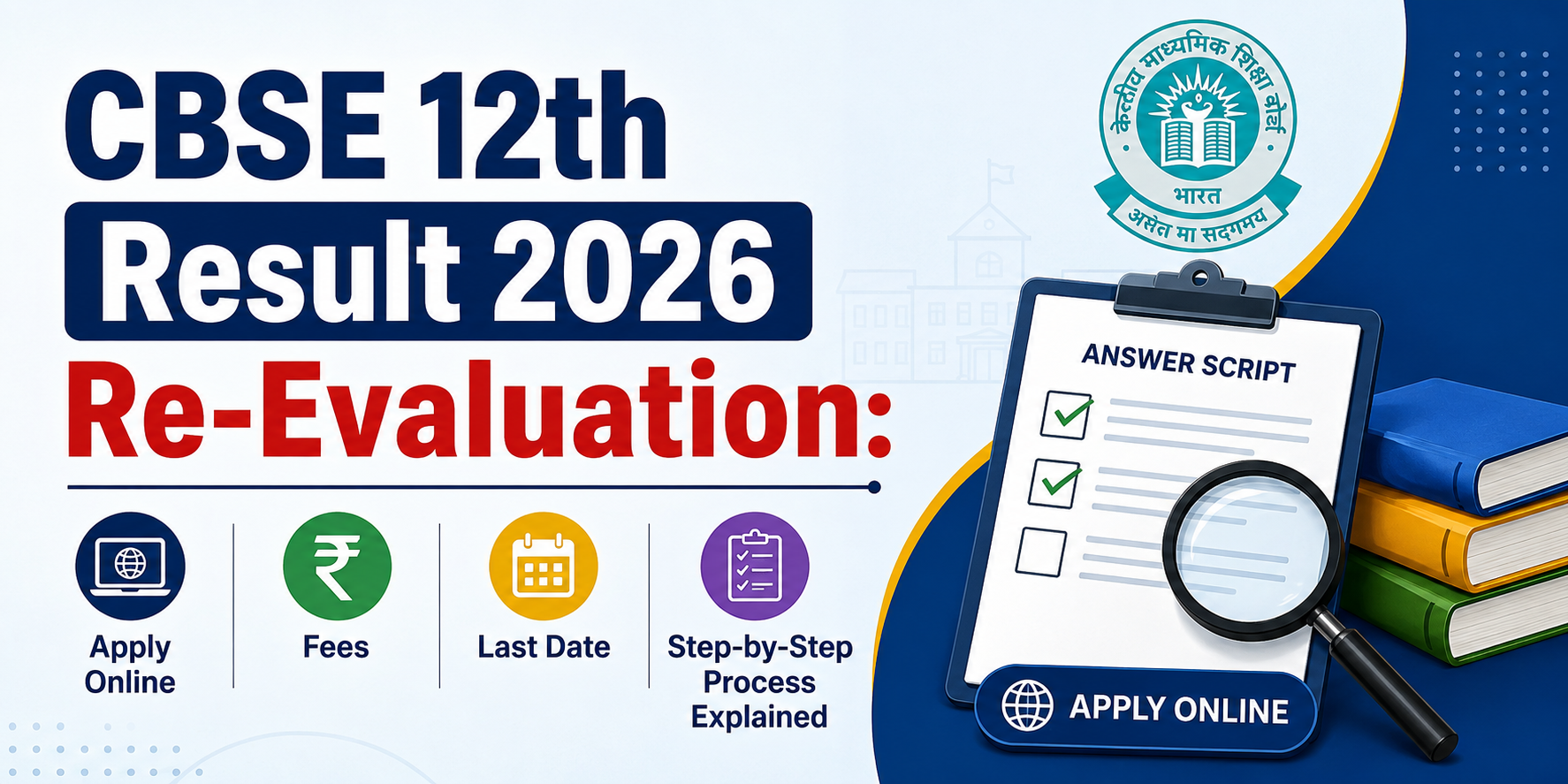
CBSE 12th Result 2026 Re-Evaluation: Apply Online, Fees, Last Date & Step-by-Step Process Explained
NEW
NEET UG 2026 Re-Exam Date Announced: Check New Exam Date, Schedule & Latest Updates
NEW
Understanding the SSC Phase 14 Exam: A Comprehensive Overview
NEW
Top Study Tips for Cracking Your Exams with Confidence
NEW
Aerospace Engineering: Scope, Courses & Career Opportunities
NEW
SSC CHSL Syllabus
NEW
EPFO 3.0 is Here: 7 Major Changes Every Employee Must Know
NEW
Indian Army Salary Structure
NEW